
Reviewed · SNORKELING & DIVING IN SILFRA
Dive the Divide: Silfra Fissure Scuba Tour | Meet at Thingvellir
Silfra turns geology into an underwater adventure. You swim between the North American and Eurasian continental plates, through water so clear that visibility can reach more than 100 meters. I like the maximum three-person group, which gives your PADI-certified guide room to focus on safety and comfort. I also like that equipment, hot chocolate, and cookies are included. The catch is simple: this is a physically demanding outing for certified drysuit divers, not a casual first-time scuba trip.
The guide can ask you to carry heavy gear about 400 meters before and after the water portion, and the cold is serious even inside a drysuit. Franceska, one guide praised for warming gloves, helping with drysuits, and keeping a calm, supportive manner, shows the kind of personal care that can make a hard day far more enjoyable. Still, you need recent drysuit practice, good fitness, and a tolerance for cold.
In This Review
- Key points to know before booking
- Why Silfra feels unlike ordinary scuba
- Meeting at Thingvellir instead of Reykjavik
- The physical work starts before the water
- Descending through the Silfra entrance
- Silfra Deep Crack and Hall
- Cathedral is the route’s grandest space
- Silfra Lagoon provides a bright finish
- Two sessions in summer, one in very cold winter weather
- What the $296.41 price really covers
- Who should book this Silfra outing
- Small-group care matters in a cold environment
- Booking timing and cancellation details
- Should you book it?
- FAQ
- Where does the Silfra scuba tour meet?
- Does the tour include pickup from Reykjavik?
- Is parking included?
- How long does the activity last?
- How many people can join the group?
- What qualifications do I need?
- How recent must my drysuit experience be?
- What happens in winter if the water is extremely cold?
- Can I wear glasses under the mask?
- What does the price include?
Key points to know before booking
- Silfra’s water can be clear beyond 100 meters, giving you unusually long views through the fissure.
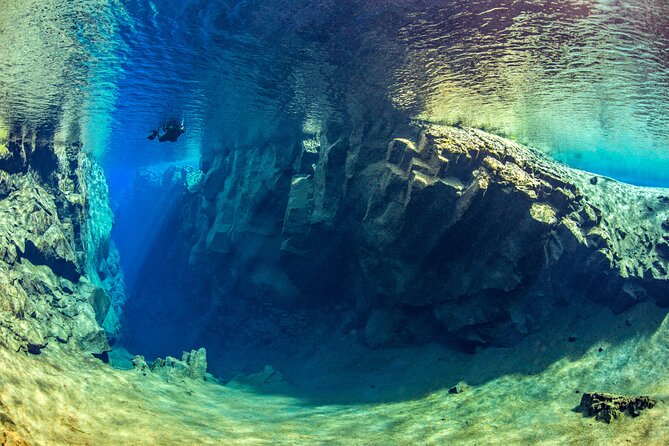
- The route passes Silfra Deep Crack, Hall, Cathedral, and Lagoon, each with a different shape and feel.
- The group has no more than three people, a real advantage when you are managing cold-water equipment.
- You need certification plus recent drysuit experience, with a card or signed logbook available for inspection.
- Winter can mean one 45-minute underwater session, instead of two 30-minute sessions in warmer months.
- The $296.41 price includes all specialized gear and refreshments, but not transport from Reykjavik or the park parking fee.
Why Silfra feels unlike ordinary scuba
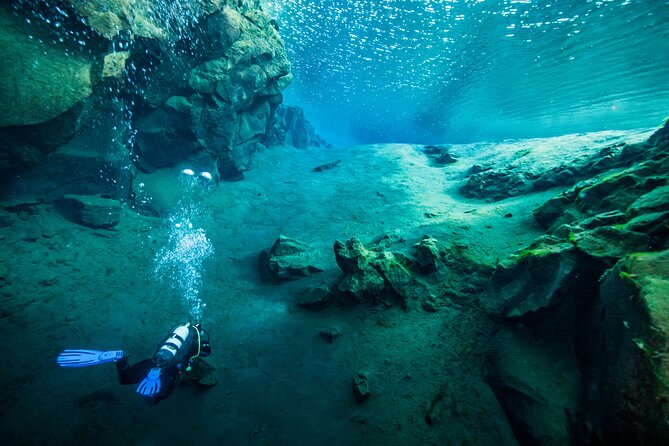
Silfra is unusual before you even enter the water. The fissure lies in Thingvellir National Park, where the North American and Eurasian continental plates meet. The attraction is not coral, fish, or shipwrecks. It is the clean, cold water, the rock walls, and the sensation of moving through a crack in the Earth.
The water comes from underground meltwater filtered through porous lava rock. The result is remarkable clarity and a strong blue color. You may safely taste it during the initial water check, a small but memorable reminder of how pure the water is.
The scenery changes as you move along the route. The Deep Crack is narrow and enclosed. Silfra Hall opens wider, while Cathedral gives you the grandest underwater space and the deepest point. The Lagoon provides a bright, open finish.
I would set your expectations correctly: this is a geological sightseeing trip under water, not a wildlife outing. You are there for rock, light, depth, and unusual perspective. If that sounds compelling, Silfra offers something very few cold-water sites can match.
More Snorkeling & Diving in Silfra
- Silfra: Snorkeling Between Tectonic Plates – Meet on Location
★ 5.0 · 5,001 reviews - Reykjavík: Silfra Fissure Snorkeling between Two Continents
★ 4.7 · 1,712 reviews - Silfra Drysuit Snorkeling with Free Photos – Meet on Location
★ 5.0 · 1,299 reviews
Meeting at Thingvellir instead of Reykjavik
You meet the instructor at the Silfra parking lot on Vallarvegur in Thingvellir National Park. The tour does not include pickup from Reykjavik, so you need to arrange your own transport. If you drive, the private-car parking charge is 500 ISK, paid separately.
The activity lasts about four hours from the meeting point and ends there. Allow enough time to arrive early, find the parking area, and deal with the park fee without rushing. You will not want to begin this outing flustered or short on warm layers.
Thingvellir gives the day useful context. You are not visiting an isolated swimming pool built for sightseeing. The fissure is part of a national park known for its geological setting and major Icelandic history, though the underwater route itself focuses on the rock formations and water.
After meeting your guide, expect a full briefing. You will hear about park rules, hand signals, the route, equipment use, and safety procedures. This preparation matters because talking normally is impossible once you are underwater, and the drysuit changes how you move.
The physical work starts before the water
The hardest part may begin on land. You need to carry tanks and other equipment for about 400 meters to the entry point. The load is heavy, and you will later carry equipment back from the exit area after removing your fins and some of the gear.
That detail deserves more attention than it often gets. You should have a strong fitness level and be comfortable handling scuba equipment while wearing layers. If you have any doubt about carrying a full setup over that distance, this is a question to settle before paying.
You will be fitted with a drysuit, thermal undersuit, mask, fins, tanks, weights, and regulator. Bring warm undergarments, preferably fleece or wool, plus warm socks. A change of ordinary clothing is required as a precaution because no drysuit can be guaranteed completely dry unless it was made for you.
You cannot wear glasses under the mask. You need to use contact lenses or bring prescription goggles if you need vision correction. This is easy to overlook and especially important when clear underwater views are the main reason to book.
Descending through the Silfra entrance
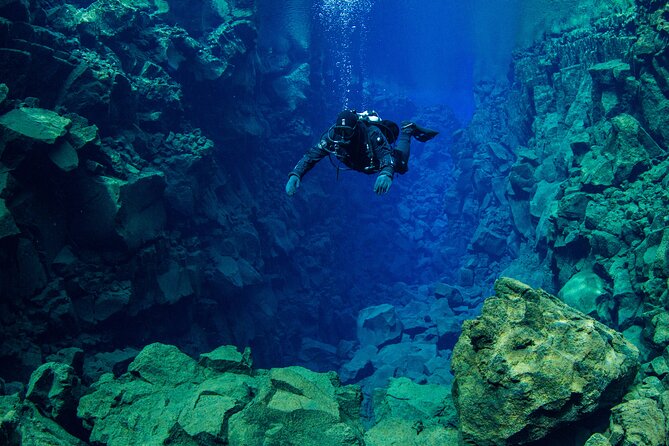
At the entrance, you descend a ladder to a submerged metal platform. The first water is waist-deep, giving you time to adjust to the temperature and get used to the suit before moving into deeper water.
Your guide will check the weights and safety setup. You can also taste the water here if you wish. It is safe to drink, though the temperature may make that less appealing than the idea suggests.
The entry process is not rushed. That is useful because a drysuit can feel awkward at first, and cold water makes small problems more noticeable. A small group helps here. With three people or fewer, the instructor can watch each person’s comfort, equipment, and technique more closely than in a large group.
The water temperature is a major part of the experience. A past outing with snow beside the fissure still involved a rewarding underwater route, but the participants were cold. Take that as a practical warning, not a reason to dismiss the trip. Warm clothing before and after the session can make a major difference.
A few more trips people compare before booking
- Silfra: Diving Between Tectonic Plates and Pick Up from Reykjavik
★ 5.0 · 590 reviews - Dive the Divide: Silfra Fissure Scuba Tour | Reykjavik Pickup
★ 4.5 · 94 reviews - Thingvellir: Silfra Fissure Diving with Optional Pickup
★ 4.6 · 73 reviews - Silfra: Diving Between Tectonic Plates
★ 4.8 · 64 reviews
Silfra Deep Crack and Hall
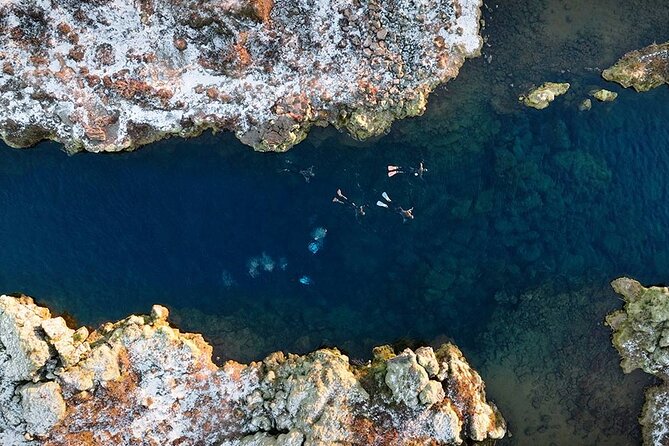
Once you begin the underwater route, the visual reward arrives quickly. Silfra Deep Crack is the narrow section where the continental plates lie close together. You move through a confined gap, with rock on either side and exceptionally clear water ahead.
The narrowness gives the route its drama. This is not a broad open-water swim where the scenery can blur into one blue field. The fissure creates a strong sense of direction, and the rock makes the geology easy to appreciate.
As the passage widens, you enter Silfra Hall. The change in scale is part of the pleasure. The route moves from a tight crack into a larger chamber, allowing you to take in more of the walls and the blue water around you.
Your guide controls the pace and communicates with hand signals. Pay attention during the briefing, because those signals are your main way to ask questions or report a problem below the surface. The calm attitude praised in Franceska is especially valuable in this setting. A guide who helps with gloves and suit adjustments can reduce stress before it affects the underwater portion.
Cathedral is the route’s grandest space
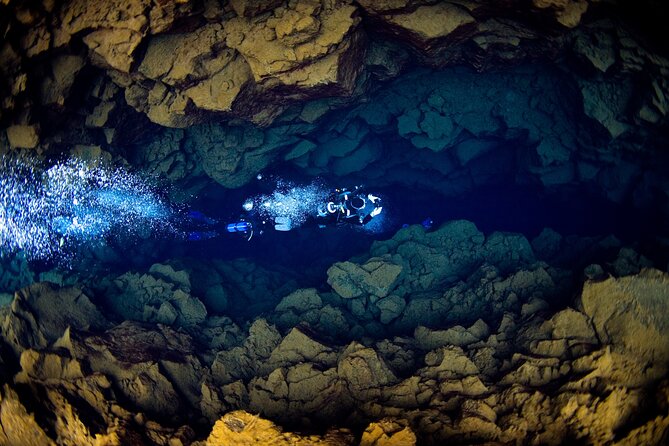
Silfra Cathedral is the deepest section, reaching about 22 meters, or 72 feet. The chamber has plunging lava walls and a cavernous feel, though you remain on a guided route rather than exploring freely.
The name makes sense once the space opens around you. Light travels through the clear water, and the walls create a dramatic frame. Visibility can extend beyond 100 meters, so you may see far more than you expect in such a cold environment.
Depth limits are set at 18 meters for this outing, while the stated deepest point of Cathedral is about 22 meters. Follow the guide’s route and instructions rather than treating the fissure as a place for independent depth exploration. The appeal comes from the view and the geology, not from pushing limits.
This section may be the highlight for experienced cold-water scuba enthusiasts. It also asks the most from your comfort and buoyancy skills. A drysuit behaves differently from a standard wetsuit, and recent practice matters.
Silfra Lagoon provides a bright finish
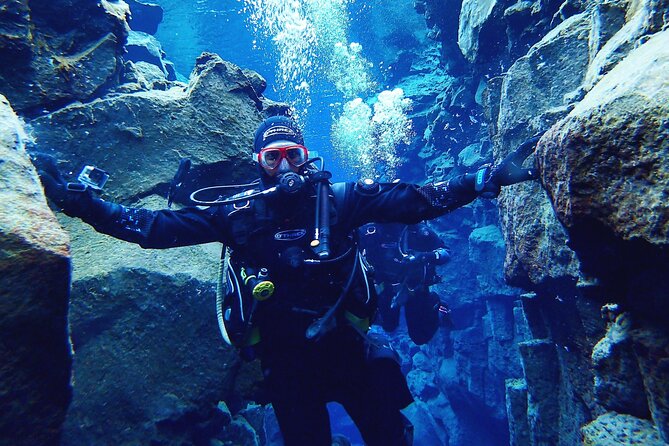
From Cathedral, the route continues into Silfra Lagoon. The water opens out again, creating a brilliant-blue finish with seemingly endless visibility.
The Lagoon is less about the tight sensation of the Deep Crack and more about open clarity. It gives you a final chance to appreciate the water itself, with fewer enclosing rock walls competing for your attention.
The underwater portion ends at the Lagoon. You ascend there, remove your fins and other heavy equipment, then walk back toward the parking area. That return walk is another reason to take the fitness warning seriously. You are not simply climbing out beside a warm vehicle and handing over the gear.
Back at the meeting point, you change into dry clothes and warm up with hot chocolate and cookies. It is a modest inclusion, but after cold water and heavy equipment, it becomes exactly the right one.
Two sessions in summer, one in very cold winter weather
During summer, you may make two sessions of about 30 minutes each. In winter, if the water temperature falls below freezing, the plan can change to one session of roughly 45 minutes for safety.
Do not treat the winter change as poor value. One longer session can be less tiring and safer in extreme cold than two separate entries. Still, if you are booking specifically for two underwater periods, understand that the season and temperature can change the format.
The overall activity remains about four hours, including briefing, equipment fitting, the walk to the entrance, gearing up, the underwater route, the return walk, changing, and refreshments. The actual time in the water is only part of the day.
What the $296.41 price really covers
At $296.41 per person, this is an expensive half-day activity. The price makes more sense when you count what is included: a PADI-certified guide, a maximum group of three, drysuit and thermal equipment, mask, fins, tanks, weights, regulator, and post-session refreshments.
Specialized cold-water gear is not the kind of equipment most visitors carry around Iceland. Having the full setup provided removes a major practical hurdle. The small group also adds value, especially when the route requires close attention to safety and personal comfort.
The price does not include transport from Reykjavik, food and drinks beyond hot chocolate and cookies, or the 500 ISK parking fee. If you are building a full Iceland day around this activity, include those costs before deciding.
I see the best value for certified divers who specifically want Silfra and do not own suitable cold-water equipment. It is less attractive if you are looking for a cheap way to see Thingvellir or if you have limited scuba experience.
Who should book this Silfra outing
This tour suits adults aged 18 or older who have:
- PADI certification or equivalent scuba qualifications
- Drysuit certification, or a signed logbook showing at least 10 previous drysuit sessions
- Drysuit experience within the past two years
- Strong physical fitness
- Comfort carrying heavy gear for about 400 meters
- Warm fleece or wool layers and warm socks
- A plan for correcting vision without ordinary glasses
The recent drysuit requirement is important. A certification card alone may not be enough if your skills are out of date. Bring the certification card or signed logbook so the guide can confirm your experience.
This is not suitable as a first scuba lesson. It is also a poor match for anyone who dislikes cold, struggles with heavy equipment, or wants a relaxed walk-up attraction. The water is inviting to look at, but the conditions are serious.
Small-group care matters in a cold environment
The maximum group size of three is one of the strongest reasons to choose this outing. Small numbers allow more direct instruction, more careful checks, and less waiting in cold conditions.
Personal support can affect the day. Franceska was praised for warming gloves, helping with drysuit dressing, and keeping a positive, safety-first manner. Those actions may sound small, but cold fingers and awkward suit seals can make preparation stressful. A helpful guide changes the tone of the whole outing.
The guide also needs to manage different comfort levels underwater. If one person feels cold or has equipment trouble, close supervision matters. This is a setting where a tiny group is not just a luxury. It supports the practical side of the activity.
Booking timing and cancellation details
The activity is often reserved about 41 days ahead, so I would not leave it until the last minute if your Iceland dates are fixed. You select a required start time, and confirmation is provided at booking.
You can cancel for a full refund up to 24 hours before the start time. Changes made inside that 24-hour window are not accepted, and a late cancellation is not refunded. If poor weather causes the operator to cancel, you can choose another date or receive a full refund.
Should you book it?
Book this Silfra tour if you are already a capable, current drysuit diver and want a rare geological setting rather than a standard warm-water scuba outing. The clear water, continental-plate setting, Cathedral chamber, and tiny group make the high price easier to justify.
Skip it if you lack recent drysuit practice, dislike cold, or cannot comfortably carry heavy equipment over 400 meters. For the right person, this is a striking and carefully managed underwater journey. For the wrong person, it is an expensive way to discover that Icelandic water is, in fact, very cold.
FAQ
Where does the Silfra scuba tour meet?
You meet your instructor at the Silfra meeting point in the Thingvellir National Park parking area on Vallarvegur, 806, Iceland.
Does the tour include pickup from Reykjavik?
No. Pickup from Reykjavik is not included, so you must arrange your own transport to Thingvellir.
Is parking included?
No. The national park charges a private-car parking fee of 500 ISK, paid separately.
How long does the activity last?
The full activity lasts about four hours, including the briefing, equipment preparation, walks, underwater route, changing, and refreshments.
How many people can join the group?
The activity has a maximum of three participants.
What qualifications do I need?
You must be PADI-certified and have drysuit certification, or a logbook showing at least 10 previous drysuit sessions signed by a dive professional.
How recent must my drysuit experience be?
You must have used a drysuit within the last two years so your skills remain current.
What happens in winter if the water is extremely cold?
If the temperature falls below freezing, the instructor may change the plan to one session of about 45 minutes for safety.
Can I wear glasses under the mask?
No. You need to use contact lenses or bring prescription goggles because ordinary glasses cannot be worn under the mask.
What does the price include?
The $296.41 price includes the small-group guided tour, a PADI-certified guide, specialized equipment, hot chocolate, and cookies. Transport, extra food and drinks, and parking are not included.
Fresh around Reykjavík
- Tipsy in Reykjavik: Drink with a Viking (Food, Beer, Music)★ 5.0 · 3 reviews
- Exclusive Snaefellsnes Peninsula Private Day Tour★ 4.0 · 3 reviews
- Sólheimajökull Glacier Hiking Tour★ 3.7 · 3 reviews
- Northern Lights 3 Hours Private tour★ 4.5 · 3 reviews
- Northern Lights Private Tour from Reykjavik★ 5.0 · 3 reviews
- Private Superjeep Tour To Landmannalaugar and Hekla Volcano★ 5.0 · 3 reviews
- From Reykjavik: Private South Coast Tour in Iceland★ 4.3 · 3 reviews
- Iceland’s south coast G spots★ 5.0 · 3 reviews
Snorkeling & Diving in Silfra, compared.
Silfra: Snorkeling Between Tectonic Plates – Meet on Location
Read our review →
Silfra: Fissure Snorkeling Tour with Underwater Photos
Read our review →
Silfra Fissure Snorkeling between Two Continents
Read our review →
Silfra Drysuit Snorkeling with Free Photos – Meet on Location
Read our review →
Silfra: Snorkeling Between Tectonic Plates Pick Up from Reykjavik
Read our review →
Silfra: Half-Day Snorkeling Day Trip with Underwater Photos
Read our review →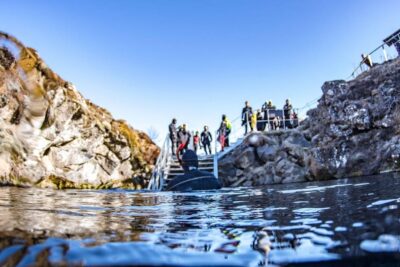
Silfra: Snorkeling Tour Between Tectonic Plates
Read our review →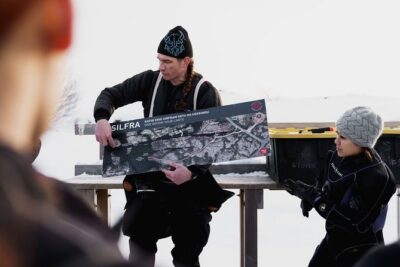
Silfra Drysuit Snorkeling Tour with Free Photos – From Reykjavik
Read our review →Browse the lists this tour appears in