
Reviewed · ICE CAVE TOURS
From Reykjavik: 3-Day South Coast Winter Tour with Ice Cave
Iceland packs a lot into three days. I like this tour because it combines the Golden Circle and South Coast with the rare chance to enter a seasonal ice cave beneath Vatnajökull. I also like the practical winter setup: a guide drives, breakfast is included, and the first night comes with geothermal hot tubs.
The main tradeoff is pace. You cover a huge stretch of southern Iceland, so some days involve long drives and fixed stop times. Winter weather can also alter the schedule, and the Northern Lights are never guaranteed. Still, guides such as Jonas, Oli, Vlad, David, Hakon, and Nicola have earned strong praise for safe driving, clear explanations, and good humor.
In This Review
- Key points to know before booking
- Why this three-day route works
- Day one: Þingvellir and the Golden Circle
- Kerið crater and a warm first night
- Day two: Seljalandsfoss, Gljúfrabúi, and Skógafoss
- Reynisfjara and the force of the Atlantic
- Day three: Jökulsárlón and Diamond Beach
- Entering a blue ice cave beneath Vatnajökull
- The return through Vík
- The guides make a real difference
- What to pack for this winter tour
- Who should book this tour?
- FAQ
- What is included in the three-day South Coast tour?
- Are meals included?
- Is the Northern Lights viewing guaranteed?
- What footwear do I need?
- How late does the tour return to Reykjavik?
- Can I bring large luggage?
- Should you book this Iceland winter tour?
Key points to know before booking
- A rare winter combination: See Þingvellir, Geysir, Gullfoss, waterfalls, Reynisfjara, Jökulsárlón, and an ice cave in one three-day route.
- The ice cave is seasonal: The cave sits beneath Vatnajökull and is reached by a super jeep with safety equipment provided.
- Winter driving is handled for you: This matters on icy, windy roads, especially if you do not feel ready to drive in Iceland.
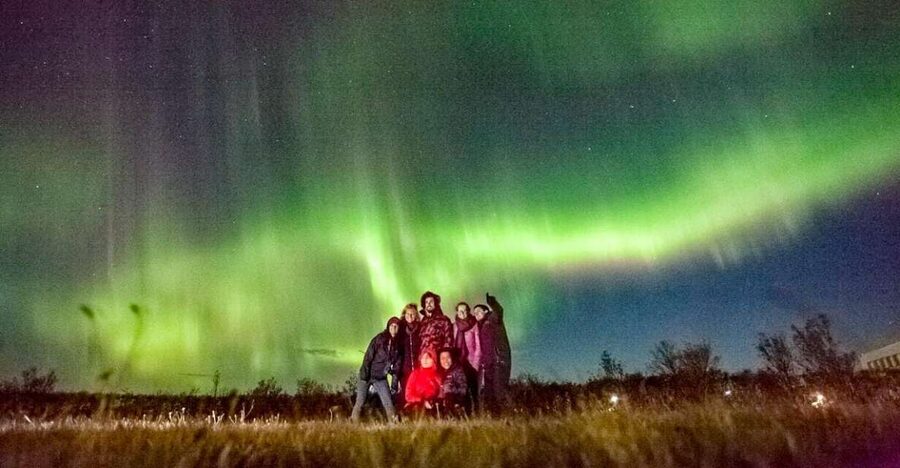
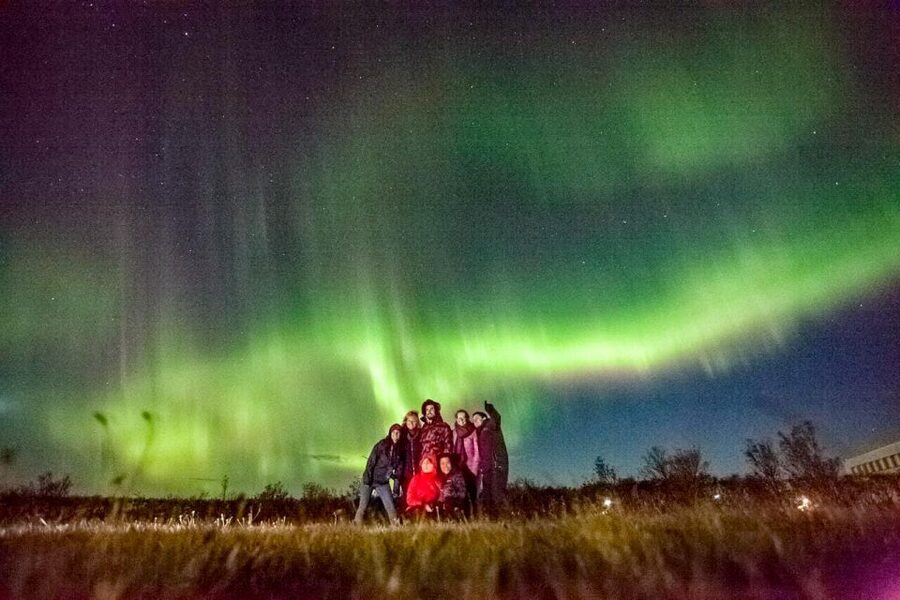
- Two countryside nights: The first hotel has geothermal hot tubs, while the second location is chosen to improve your chances of seeing the Aurora.
- The pace is efficient: You get time at the major stops, but you must return to the minibus promptly.
- Pack proper boots: Hiking boots are mandatory. Sports shoes are not accepted, and rental boots are available for an extra fee.
Why this three-day route works
At $977 per person, this is not a cheap bus ride. Yet the price covers two nights in private-bathroom accommodation, breakfast, transport from Reykjavik, a live English-speaking guide, the Kerið entrance fee, hot-tub access on the first night, and the ice-caving trip.
The value improves if you are visiting Iceland in winter and do not want to rent a car. You avoid fuel, winter driving stress, hotel planning, and the risk of making a poor call on icy roads. One traveler who had considered self-driving said the tour was a relief because they could simply watch the scenery instead of concentrating on the road.
The minibus has Wi-Fi and USB chargers, although one departure reportedly did not have working USB ports. Treat those features as useful extras, not a reason to book. The vehicle is comfortable enough for long transfers, but one account found the bus cramped and wished for larger windows.
You should also plan for group travel. A group of around 19 people means the tour can move efficiently when everyone is on time, but one late person can hold up the whole bus. Your guide will give clear return times, and you will enjoy the route more if you treat those times as firm.
More South Coast Tours:
- Reykjavík: South Coast Waterfalls, Black Sand & Glacier Tour
★ 4.8 · 11,030 reviews - Iceland South Coast Full Day Small-Group Tour from Reykjavik
★ 5.0 · 5,988 reviews - South Coast Day Tour Black Sand Beach & Waterfalls from Reykjavik
★ 4.5 · 2,697 reviews
Day one: Þingvellir and the Golden Circle
The tour leaves Reykjavik between 8:30 and 9:00 in the morning. You need to be ready from 8:30 at your pickup point, since the exact location is confirmed after booking.
The first major stop is Þingvellir National Park. This is one of Iceland’s most important historic places as well as a dramatic geological site. Your guide can explain how the national assembly met here and how the ground was shaped by powerful movements beneath the surface.
I like starting with Þingvellir because it gives you two kinds of context at once. You see Iceland’s volcanic foundations, then begin to understand how the country developed as a society. The site also provides open views and broad walking areas, so wear boots with good grip even if the paths look easy.
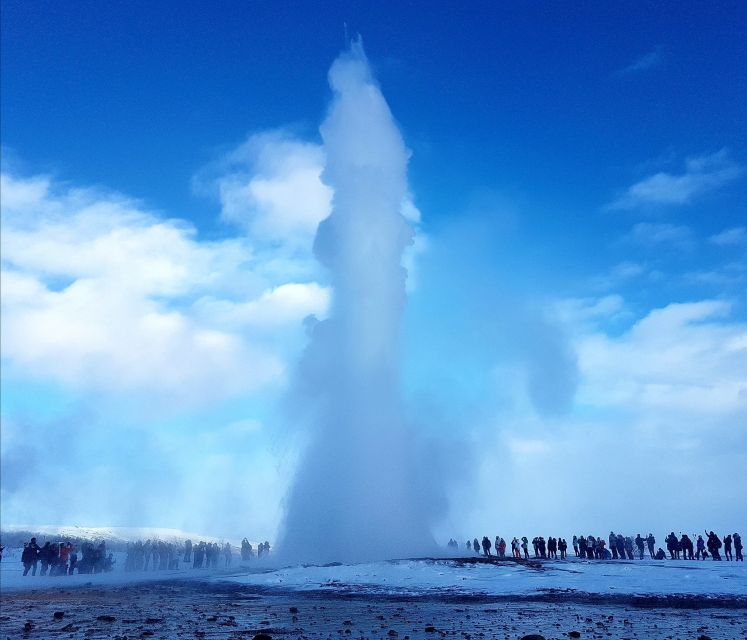
From Þingvellir, the route continues to Haukadalur, the geothermal area that contains Strokkur. This geyser erupts at regular intervals, sending hot water into the air and giving you a clear reason to keep your camera ready.
Geysir, the name behind the English word geyser, is also in the area, though Strokkur is the active star today. The ground can be wet, slippery, and uneven around the geothermal features. Stay on marked paths and listen to your guide, especially when wind or snow makes it harder to see where you are stepping.
Kerið crater and a warm first night
Kerið is a volcanic crater lake with steep red and dark volcanic sides. The entrance fee is included, which saves a small extra cost and keeps the stop simple.
Kerið is a different sort of Icelandic sight from the waterfalls and geothermal springs. Instead of motion, you get a clear bowl-shaped crater and a view into the country’s volcanic past. In winter, snow may change the colors and make the walking surface slick, so this is another place where hiking boots matter.
The first day then heads toward Hveragerði, a small town known for geothermal activity. You may have time to walk around the Geothermal Park or by Reykjafoss Waterfall while looking for the Northern Lights if conditions are favorable.
Hveragerði is a pleasant pause after the Golden Circle. The town is also a useful reminder that Iceland’s heat is part of daily life, not just a spectacle for visitors. Afterward, you check into a countryside hotel with geothermal hot tubs.
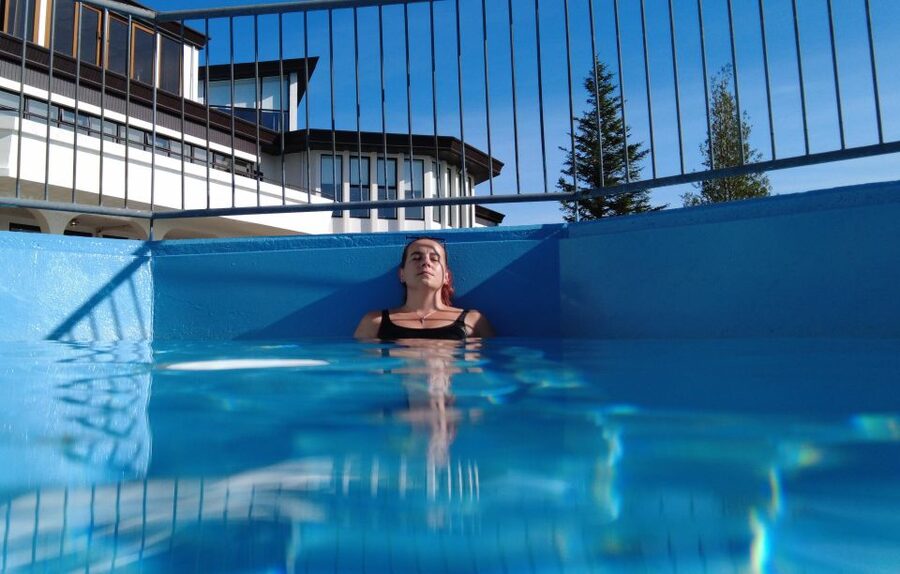
Bring swimwear if you want to use them. The hot tubs are included on night one only, and they are a welcome way to loosen up after walking in cold weather. The setting also gives you a chance to look for the Aurora without making a separate late-night excursion.
That said, do not book this tour solely for the Northern Lights. Clouds, snow, wind, and daylight all affect visibility. The guides can help you watch the sky when conditions allow, but no operator can promise an appearance.
Day two: Seljalandsfoss, Gljúfrabúi, and Skógafoss
The second day follows Iceland’s South Coast. This is where the route begins to feel especially full, with waterfalls, volcanic shorelines, and long views from the road.
Seljalandsfoss is famous because you can often walk behind the falling water. In winter, the path may be wet or icy, and the spray can freeze on the ground. You will want a waterproof outer layer, gloves, and boots with firm soles. A poncho or waterproof trousers are practical if you plan to get close.
Nearby Gljúfrabúi is partly hidden in a narrow canyon. Reaching the viewpoint may involve wet footing, so you should not assume ordinary street shoes will do. The two waterfalls work well together: Seljalandsfoss is open and theatrical, while Gljúfrabúi feels more enclosed and tucked into the rock.
Next comes Skógafoss, a powerful 60-meter waterfall fed by the Skógá River. It has a broad wall of falling water and often produces mist near its base. If the sun appears, you may see a rainbow, though Icelandic weather is perfectly capable of changing the view in minutes.
The stop is easy to understand even if you know little about geology. Skógafoss has scale, sound, and force. You can feel the spray from a distance, but the ground near the waterfall can be slippery, especially during a cold spell.
More Ice Cave Tours:
- Reykjavik: Katla Ice Cave & South Coast Waterfalls Tour
★ 4.7 · 1,090 reviews - 3-Day Ice Cave, South Coast, Golden Circle and Northern Lights
★ 5.0 · 634 reviews - Reykjavik: South Coast and Katla Ice Cave Small Group Tour
★ 4.7 · 625 reviews - 2-Day Blue Ice Cave, Glacier Lagoon and South Coast – Small Group
★ 5.0 · 594 reviews
Reynisfjara and the force of the Atlantic
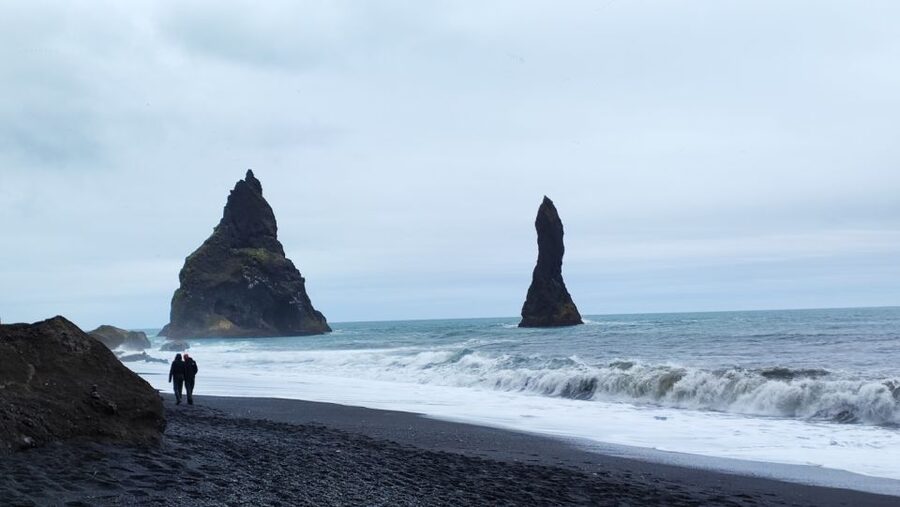
The black sand beach at Reynisfjara is one of the most memorable stops on the route. Its dark volcanic sand contrasts with the pale foam of the Atlantic, while the Reynisdrangar sea stacks rise offshore like tall fingers of rock.
This is not a beach for swimming or careless wandering. Waves can surge much farther up the sand than expected, and you need to keep a safe distance from the water. Listen carefully to your guide and never turn your back on the sea while taking photos.
Reynisfjara also shows why a guided winter trip has real value. Your driver knows the road and can give practical safety reminders at a place where excitement can otherwise overpower common sense. The stop is beautiful, but it demands respect.
After the beach, you continue toward a remote area in southeast Iceland for the second night. The distance helps place you closer to the glacier lagoon for the following morning and may give you a darker setting for Aurora watching.
The second hotel is not described with the same hot-tub feature as the first night, so do not expect both nights to include geothermal bathing. The accommodation includes a private bathroom, and breakfast is provided as part of the two-night stay.
Day three: Jökulsárlón and Diamond Beach
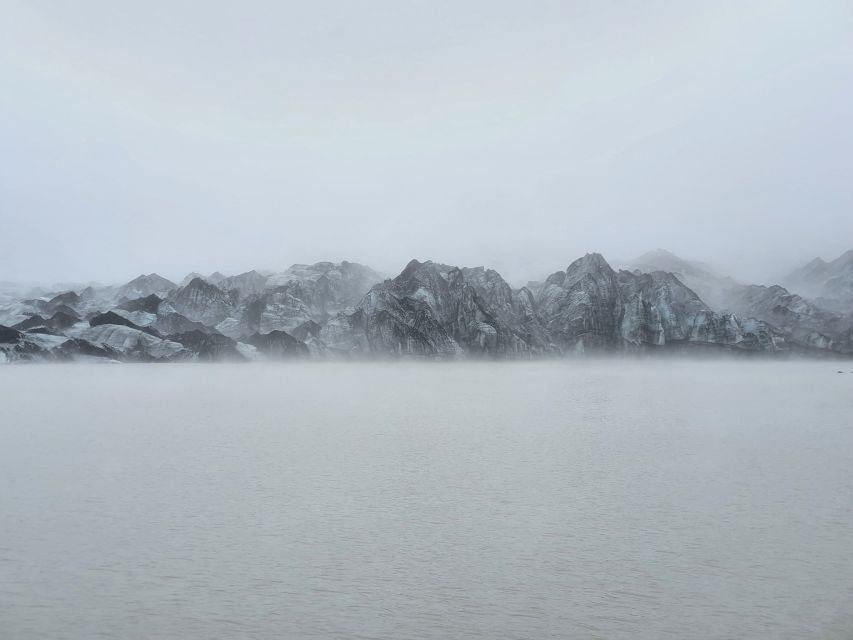
The final full day begins at Vatnajökull National Park and Jökulsárlón Glacier Lagoon. Here, chunks of glacier ice float in the lagoon before moving toward the ocean.
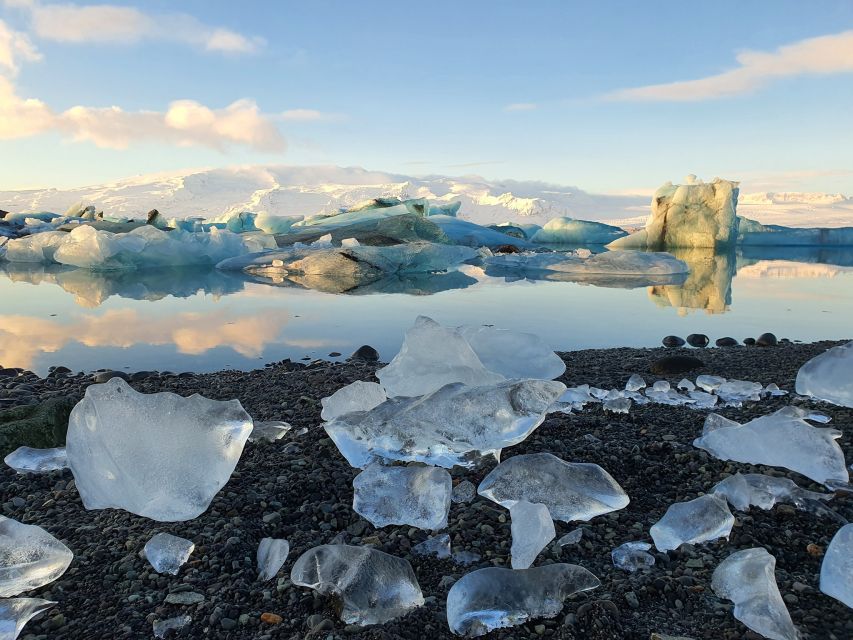
Along the shore, you can see clear and blue pieces of ice scattered against the darker surroundings. Some pieces wash onto the nearby black beach, creating the famous Diamond Beach effect. The name is easy to understand once you see the contrast between glittering ice and black sand.
This is one of the tour’s strongest sections because it feels very different from the Golden Circle. You have moved from geysers and waterfalls to a colder, slower world shaped by ice. The lagoon also gives you a sense of scale: glaciers are not just distant white fields, but active forces that shape water, rock, and coast.
Allow time for wind. The open area around the lagoon can feel much colder than the temperature suggests, and you may spend more time outside than expected while looking at the ice. A warm hat and waterproof gloves are as important here as a good camera.
Entering a blue ice cave beneath Vatnajökull
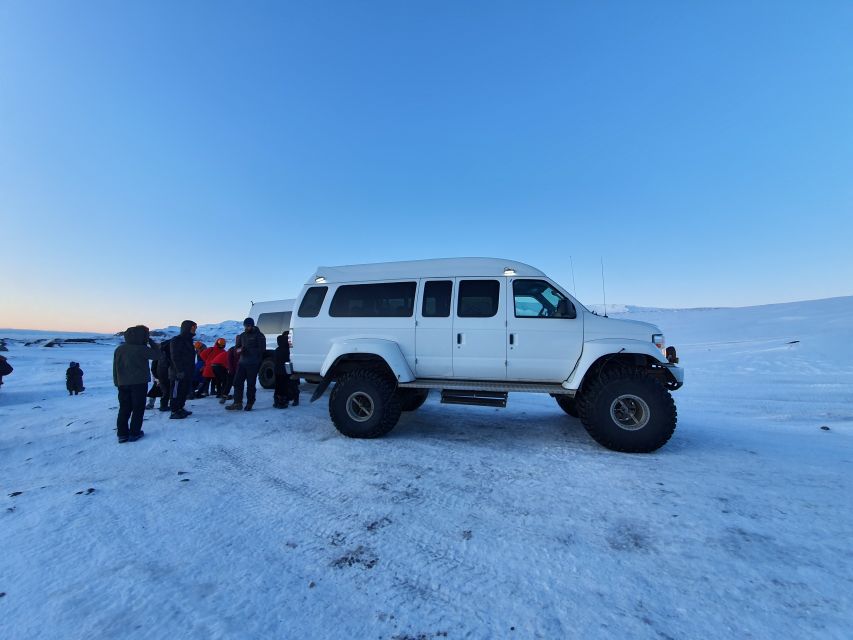
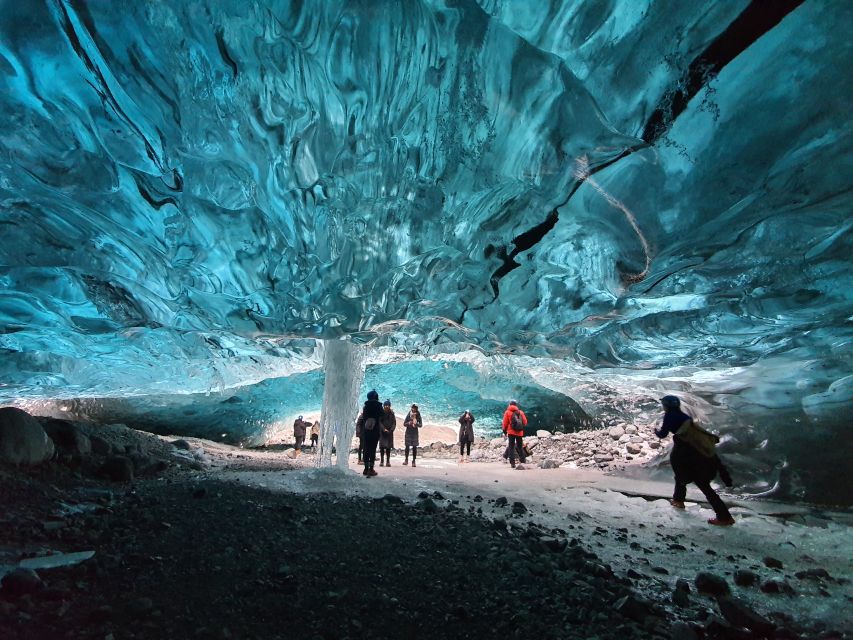
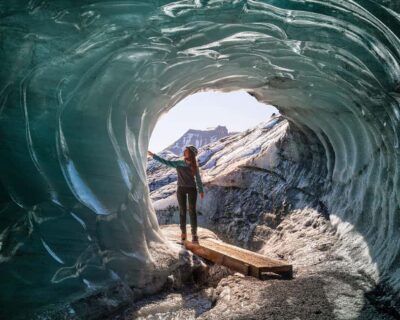
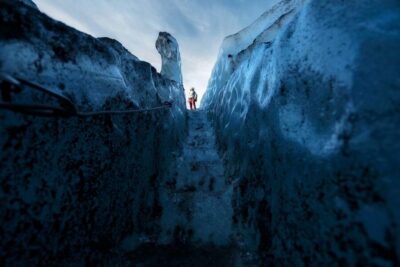
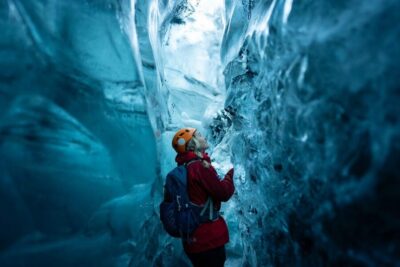
The ice-caving trip is the special feature that separates this tour from a standard South Coast bus route. You receive the required safety equipment, then ride in a super jeep toward a natural ice cave beneath Vatnajökull, Europe’s largest glacier.
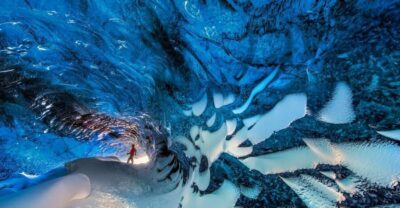
The cave is seasonal and natural, so its appearance can change. Blue ice may show intense color and unusual shapes, but the exact formation depends on conditions at the time of your visit. This is not a permanent attraction with a fixed interior.
The super jeep transfer is part of the appeal. It takes you beyond the ordinary roadside stops, and the ice cave gives you a close look at how water and pressure shape glacier ice. Your guide and the ice-caving team control the route and safety procedures, so follow instructions closely.
You need proper hiking boots for this section. The operator can rent boots at an additional cost, but it is simpler to bring sturdy boots that are already comfortable. The provided safety equipment does not replace warm clothing. Bring windproof and waterproof outer layers, since Icelandic conditions can shift quickly.
The ice cave may involve walking on uneven, icy ground. The tour is not suitable for wheelchair users, people with mobility impairments, or pregnant women. You should also be comfortable walking outdoors in winter conditions before booking.
The return through Vík
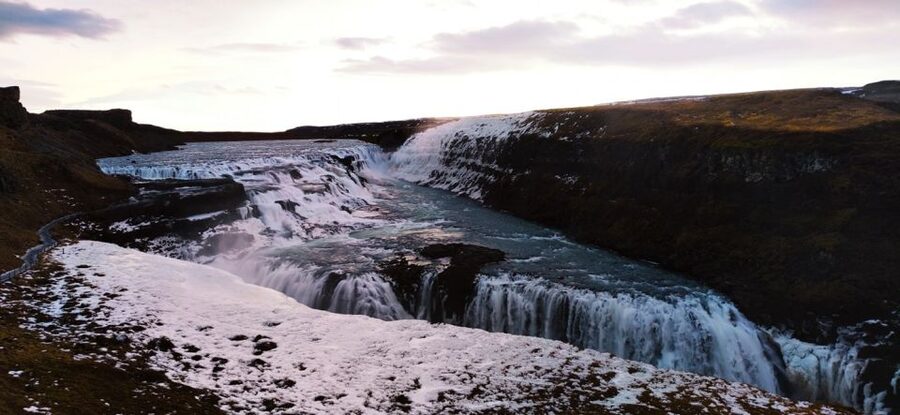
After the cave, the route turns back toward Reykjavik. You stop in Vík for a refreshment break and a look at its traditional turf-roofed church.
Vík gives you a useful pause after the glacier activity. It is a chance to warm up, use facilities, and reflect on how much ground you have covered. The church adds a small cultural note to a trip otherwise focused on natural sights.
The estimated arrival in Reykjavik is around 21:00 on day three, but weather and road conditions can change that. Do not schedule a tight evening flight, dinner reservation, or onward connection. The final day is long, and winter roads deserve extra time.
The guides make a real difference
A strong guide is especially important on a three-day winter route. You spend many hours in the minibus, and the best guides turn those transfers into useful time rather than dead space.
Jonas was praised for his humor, while Oli was described as cheerful, patient, and helpful. Vlad received credit for clear tips at each stop and for keeping the group on schedule. Walter was praised for his sense of humor, country knowledge, and honest explanations about timing.
Other highly praised guides included Hakon, David, Siddi, Guli, Mika, Maria, Paulette, and Nicola. Guli was especially good at explaining Icelandic geography, geology, food, and culture. Nicola even sang with a guitar during one stop, showing how much personality can shape a group trip.
Guide quality can vary from departure to departure, but the overall pattern is clear: the company puts real emphasis on friendly guides and careful driving. That matters when snowstorms, wind, or icy roads appear. Several departures were praised for feeling safe even in rough conditions.
What to pack for this winter tour
I would pack for movement, spray, wind, and quick changes in weather. Your basic kit should include:
- Waterproof hiking boots with good grip
- Warm socks and spare socks
- Windproof and waterproof outer layers
- Gloves, hat, and warm layers
- Swimwear for the first-night hot tubs
- A small day bag
- Phone or camera protection from rain and spray
Only one carry-on item is allowed per person. If you have larger luggage, ask your Reykjavik accommodation about storage. The operator may carry larger bags for a small fee, but space is limited.
Sports shoes are not allowed for this activity. If you do not have hiking boots, ask about rental boots before departure rather than waiting until the morning pickup.
Who should book this tour?
I would choose this tour if you want the major South Coast sights but do not want to drive in winter. It suits first-time visitors, couples, solo visitors who prefer a planned route, and anyone who wants the ice cave handled by people familiar with current conditions.
It is also a good fit if you value context. Guides regularly explain Iceland’s geology, culture, history, and daily life during the drive, and some add extra stops when timing and weather permit.
I would think twice if you want long, quiet periods at each location. The route is efficient rather than leisurely. You also need to be comfortable with early starts, long driving days, outdoor walking, and a group schedule.
The tour is not a good choice for anyone with limited mobility or anyone who cannot manage icy, uneven ground. The cave, waterfalls, beach, and glacier lagoon all require sensible footwear and confidence outdoors.
FAQ
What is included in the three-day South Coast tour?
The tour includes an English-speaking guide, minibus transport, Reykjavik pickup and drop-off, two hotel nights in a double or twin room with a private bathroom, breakfast, hot-tub access at the hotel on night one, ice caving, entry to Kerið crater, Wi-Fi, and USB chargers on the bus.
Are meals included?
Breakfast is included for the two hotel nights. Lunch and dinner are not included, but you can buy them during the tour.
Is the Northern Lights viewing guaranteed?
No. Aurora viewing depends on weather and sky conditions. The tour includes opportunities to look for the Northern Lights, especially around Hveragerði and the remote southeast accommodation, but sightings are not guaranteed.
What footwear do I need?
Good hiking boots are mandatory. Sports shoes are not allowed. You can rent hiking boots from the tour operator for an additional fee.
How late does the tour return to Reykjavik?
The estimated arrival on day three is around 21:00. Weather and road conditions can affect the timing, so avoid making tight evening plans.
Can I bring large luggage?
One carry-on item is allowed per person. Larger luggage may be stored at your accommodation in Reykjavik or carried by the operator for a small fee, but storage and bus space are limited. Check before departure.
Should you book this Iceland winter tour?
Book it if your priority is seeing a wide sweep of southern Iceland without taking on winter driving. The combination of Golden Circle sights, waterfalls, Reynisfjara, Jökulsárlón, and a natural blue ice cave is strong, and the included hotels, breakfasts, hot tubs, and transport make the $977 price easier to justify.
Skip it if you prefer to set your own pace or want guaranteed Northern Lights. For most visitors who have only three days and want the big South Coast sights with a careful driver, this is a well-planned and unusually full introduction to Iceland.
More 3-Day Experiences
- 3-Day Golden Circle, Ice Cave and Glacier Lagoon Small-Group Tour
★ 5.0 · 302 reviews - Iceland: 3-Day Golden Circle, South Coast, & Glacier Tour
★ 4.8 · 148 reviews - 3 Day Summer South Coast, Golden Circle and Jökulsarlon glacier lagoon
★ 5.0 · 133 reviews - 3-Day Golden Circle, South Coast & Ice Cave – Small Group Tour
★ 5.0 · 97 reviews
More Winter Activities
- 8 Day Winter Circle Tour, Ring Route of Iceland with Snæfellsnes Peninsula
★ 5.0 · 110 reviews - Winter South Coast Day Tour by Minibus from Reykjavik
★ 5.0 · 109 reviews - South Coast, Glacier Hike and Northern Lights Winter Tour
★ 4.4 · 66 reviews - Winter Whale Watching and Northern Lights Cruise from Reykjavik
★ 4.5 · 24 reviews
Fresh around Reykjavík
- Tipsy in Reykjavik: Drink with a Viking (Food, Beer, Music)★ 5.0 · 3 reviews
- Exclusive Snaefellsnes Peninsula Private Day Tour★ 4.0 · 3 reviews
- Northern Lights 3 Hours Private tour★ 4.5 · 3 reviews
- Sólheimajökull Glacier Hiking Tour★ 3.7 · 3 reviews
- Northern Lights Private Tour from Reykjavik★ 5.0 · 3 reviews
- Private Superjeep Tour To Landmannalaugar and Hekla Volcano★ 5.0 · 3 reviews
- From Reykjavik: Private South Coast Tour in Iceland★ 4.3 · 3 reviews
- Iceland’s south coast G spots★ 5.0 · 3 reviews
Ice Cave Tours, compared.
Ice Cave by Katla Volcano Super Jeep Tour from Vik
Read our review →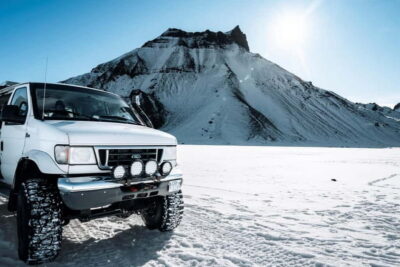
Katla Ice Cave & South Coast Waterfalls Tour
Read our review →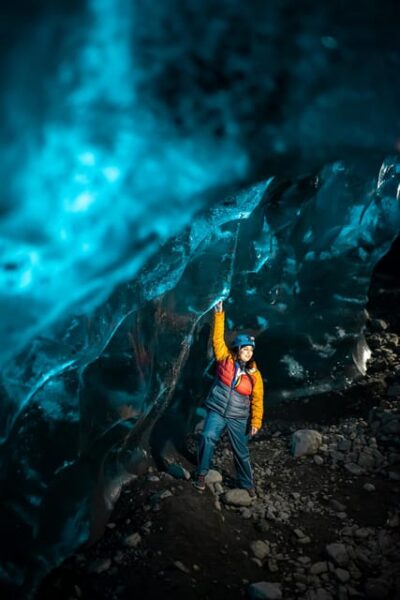
Browse the lists this tour appears in