
Reviewed · ICE CAVE TOURS
From Vik: Myrdalsjokull glacier and Katla Ice Cave Tour
The glacier hides a world of fire and ice. This three-hour outing combines a Super Jeep ride across rough ground with a guided walk on Mýrdalsjökull, ending inside the changing Kötlujökull Ice Cave. I like the strong sense of access and the way the guides, including Helgi, Alex, Martin, and Jon, mix safety advice with local stories. The main drawback is the price: at $250 per person, it is a major splurge, and the cave can be small or quite different from one visit to the next.
You meet in Vík, not at a hotel, then ride toward the glacier in a large off-road vehicle. I also like that you get crampons and a helmet rather than simply viewing the ice from a distance. You should bring your own gloves and warm headwear, since neither is included.
In This Review
- Key points at a glance
- Why Katla Ice Cave is different from a standard glacier stop
- Meeting at Ice Cave Bistro in Vík
- The Super Jeep ride to the glacier
- Crampons, helmets, and the walk toward Kötlujökull
- Inside the ice cave beneath Katla
- The changing scenery around Mýrdalsjökull
- Guide quality and group atmosphere
- Is $250 a fair price?
- Who should book this glacier adventure?
- Should you book the Katla Ice Cave tour?
- FAQ
- Where does the Katla Ice Cave tour meet?
- How long does the tour last?
- How much does the tour cost?
- What equipment is included?
- Should I bring gloves and headwear?
- What language is the tour conducted in?
- What is the minimum age?
- Do I need to be in excellent physical shape?
- Can I cancel for a full refund?
Key points at a glance
- A real Super Jeep approach: The rough ride to the glacier is part of the adventure, not just transportation.
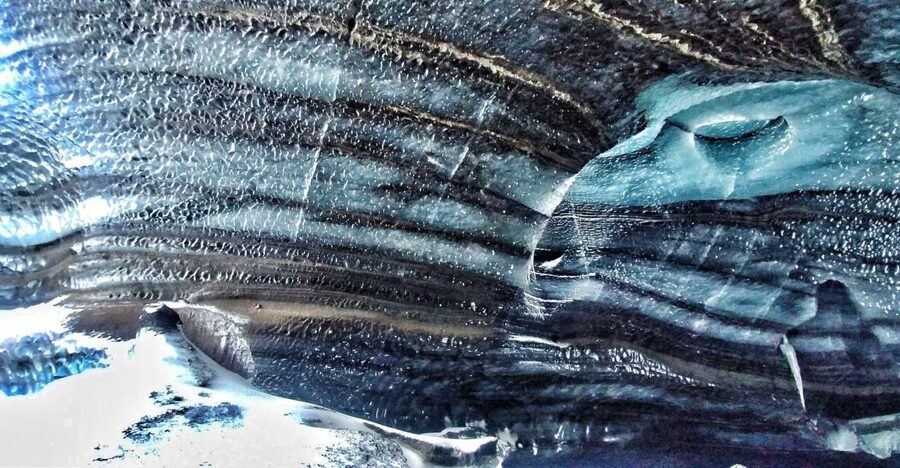
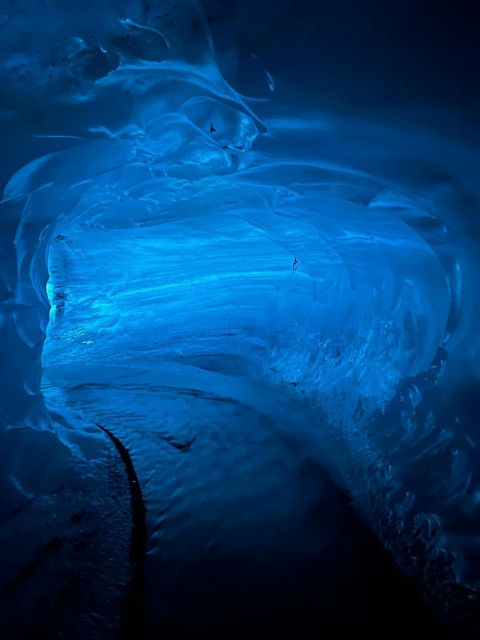
- Kötlujökull Ice Cave: Expect black volcanic ash bands, blue ice, frozen walls, and formations that change with the season.
- Three hours from Vík: The short format works well for a South Coast day, especially if you are staying in or near Vík.
- Crampons and helmets included: You receive the basic glacier equipment needed for the guided walk.
- A volcano beneath the ice: Your guide explains Katla and the forces that shape the glacier and cave.
- Not a polished theme-park cave: Conditions can mean ladders, steps, narrow access, or a smaller cave than expected.
Why Katla Ice Cave is different from a standard glacier stop
Iceland has plenty of places where you can photograph ice. This trip gives you a closer look at the meeting point between glacier and volcano. Mýrdalsjökull covers Katla, one of Iceland’s best-known volcanoes, and the ice cave forms through natural meltwater and movement beneath the glacier.
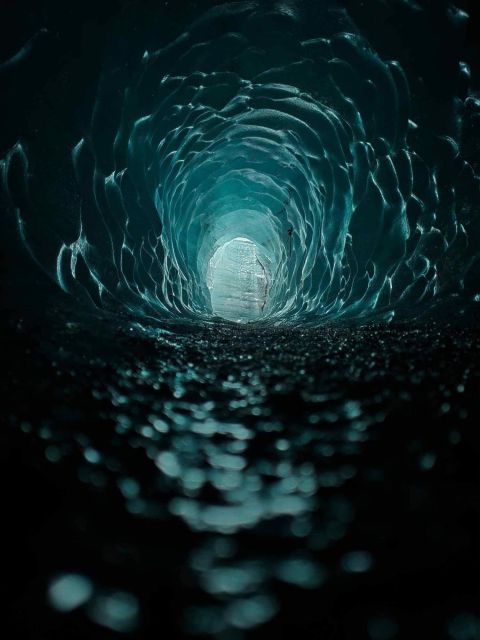
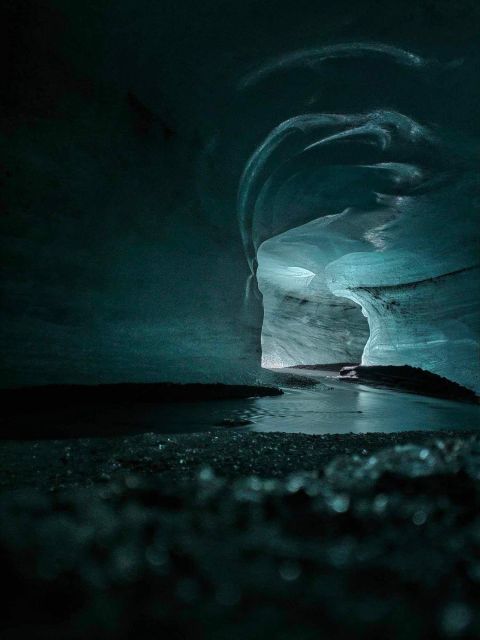
That matters because the cave is not a permanent attraction with fixed walls and electric lighting. It changes as water moves, ice shifts, and the seasons alter the interior. The cave you enter may not look like one seen a few months earlier, or even the same cave shown in an older photograph.
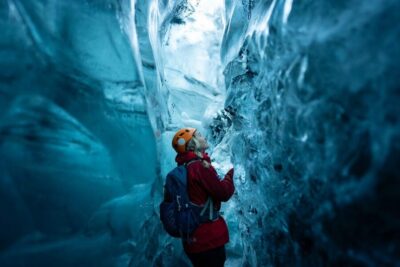
Inside, you might find blue ice, gray or black bands of volcanic ash, curved frozen walls, and a domed ceiling that makes every sound feel close. The dark ash is especially striking against the ice. It gives the cave a visual connection to Katla rather than making it look like a plain block of frozen water.
Keep your expectations realistic. One recent description called the cave small, with only limited walking inside. Another found it large and beautiful. Both experiences can be true because this is a living ice formation, not a fixed underground hall.
More Ice Cave Tours:
- From Vik: Katla Ice Cave and Super Jeep Tour
★ 4.6 · 2,110 reviews - Skaftafell: Ice Cave Tour and Glacier Hike
★ 4.5 · 1,746 reviews - From Vik: Katla Ice Cave and Super Jeep Tour
★ 4.6 · 1,310 reviews
Meeting at Ice Cave Bistro in Vík
The meeting point is the Ice Cave Bistro at Austurvegur 20 in Vík. Meet your guide outside the café parking area, facing the ocean. This is a meet-on-location experience, so you need to arrange your own way to Vík.
The location is useful if you are already based in town or passing through on Iceland’s South Coast. It also places you near Vík’s famous black-sand shoreline. The ocean-facing meeting area makes it fairly clear where to gather, but arrive with enough time to find the parking lot and get organized.
The tour does not begin with a long walk from town. Instead, you board a Super Jeep for the rough approach to the glacier. This is important: the vehicle is not a decorative extra. The route toward the glacier includes ground that ordinary cars cannot handle, and the large vehicle is part of what makes the cave reachable.
One booking problem was reported when a name was missing from the departure list. That appears to be an isolated administrative mistake, but it is still a good reason to keep your confirmation handy and check in promptly.
The Super Jeep ride to the glacier
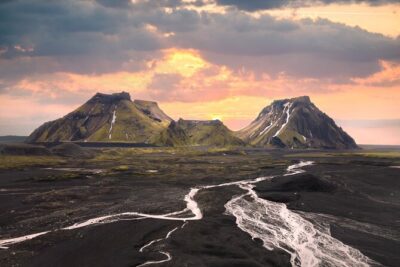
The ride is one of the most memorable parts of the outing. The vehicle leaves ordinary roads behind and crosses rough, dark ground toward the glacier’s edge. One description compared the route to four-wheeling on the moon, which gives you a good idea of the feel: bumpy, stark, and far removed from a normal sightseeing drive.
The scenery changes as you go. Near Vík, you have the Atlantic and black sand. Farther along, volcanic dirt and ash appear around the glacier. Then the ice begins to dominate the view, often with streams, waterfalls, and dark sediment marking the glacier’s surface.
Your guide normally points out photo opportunities along the way. Guides such as Helgi have been praised for stopping often and adding geographical detail, while others, including Hulk and Jon, have been remembered for keeping the drive light and entertaining. That personality matters on a short group outing, since the guide shapes much of the experience.
The road is rough, so do not expect a quiet, smooth transfer. If you dislike bumpy rides, this may be the least comfortable part. If you enjoy off-road travel, it adds genuine character and helps justify the cost.
Crampons, helmets, and the walk toward Kötlujökull
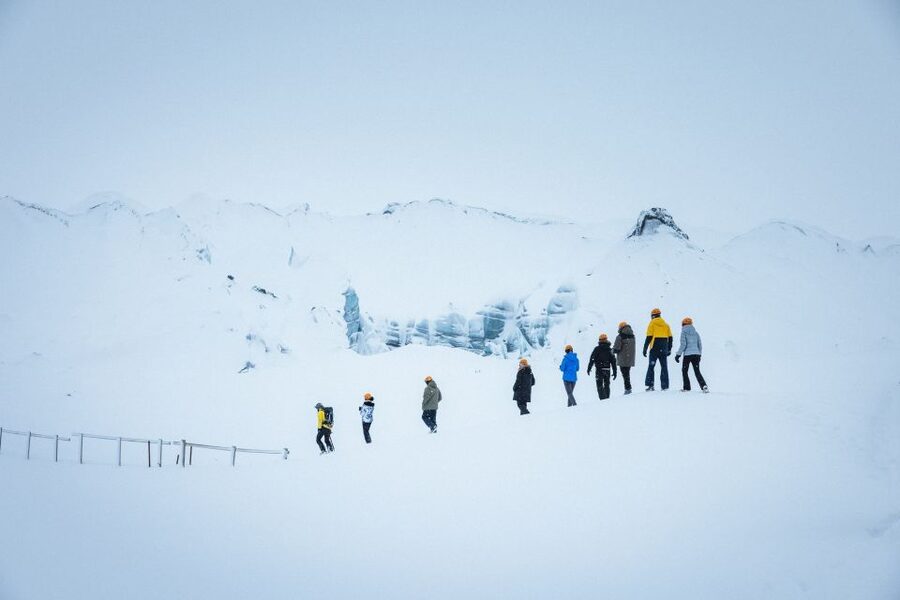
At the foot of the glacier, you put on the provided helmet and crampons. The crampons give your boots grip on the ice, but they do not turn the walk into an effortless stroll. You still need to watch your footing and follow the guide closely.
The approach can include a hike over uneven glacier ground. Depending on current conditions, you may need to climb a few steps or ladders near the entrance. The supplied information describes the route as manageable for someone in average physical condition, but you should not treat it as a completely easy walk.
One participant arrived nervous about ice, height, and physical fitness, then found the guide helpful throughout the route. That is encouraging if you are unsure of yourself, but it does not remove the need for sensible preparation. Wear sturdy footwear that can accept crampons, dress for cold and wet conditions, and tell the guide if you are anxious or need a slower pace.
Families can consider the tour for children aged six and older. One family completed it with children aged eight, nine, and fourteen without trouble. The minimum age is six, and younger children require a separate inquiry about possible options.
The equipment list is short. Helmets and crampons are included. Gloves and headwear are not, so bring both. Those omissions are minor on paper but important on a cold glacier, where your hands and ears can become uncomfortable quickly.
More Snowmobile Trips:
- Mýrdalsjökull: South Coast ATV Quad Bike Safari
★ 4.8 · 470 reviews - Vik: Mýrdalsjökull Snowmobile Adventure
★ 4.6 · 174 reviews - Snowmobiling Experience on Mýrdalsjökull Glacier
★ 4.5 · 153 reviews - Snowmobiling on Eyjafjallajökull
★ 4.8 · 44 reviews
Inside the ice cave beneath Katla
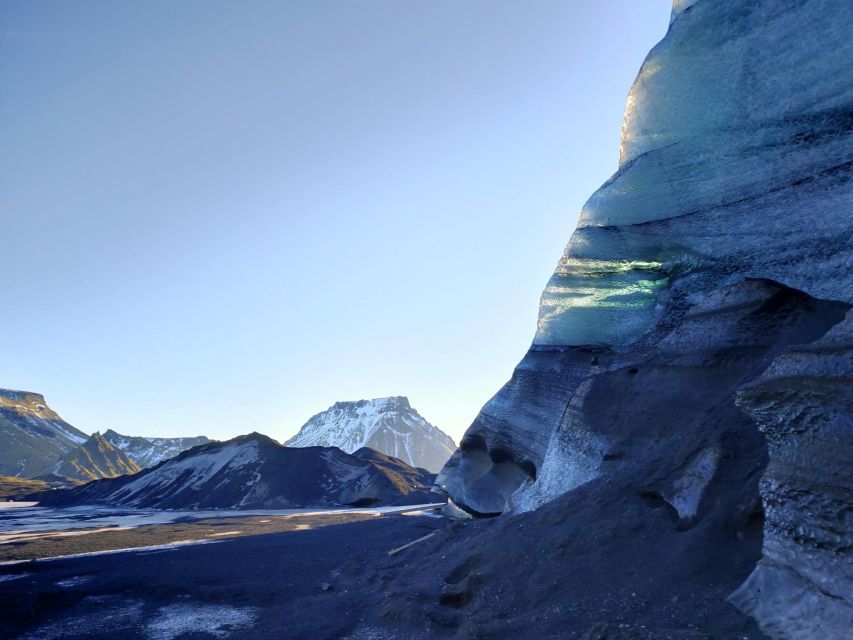
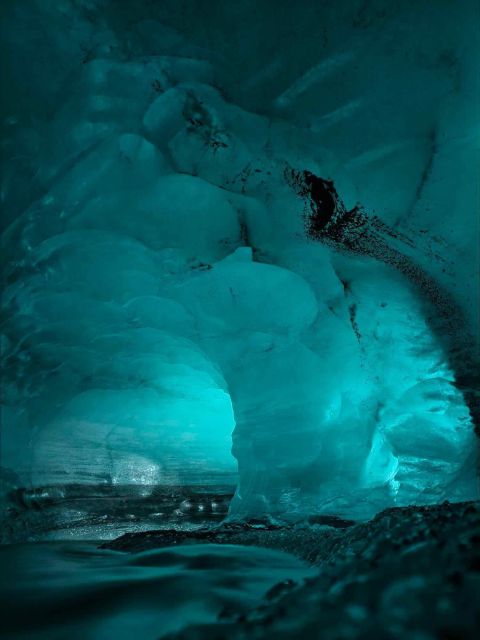
The cave is the emotional center of the trip. After the walk, you enter a natural ice formation shaped by meltwater, pressure, and volcanic material. The interior can show black ash layers running through blue or pale ice, with walls and ceilings that look more like frozen sculpture than ordinary snow.
The color depends on the day, the season, and the cave’s current shape. Some sections may appear deep blue. Others may be gray, black, or milky white. Do not arrive expecting the bright blue tunnel seen in every promotional photograph. The volcanic ash is part of the appeal, and the cave’s roughness makes it feel more authentic.
The space may be narrow or limited. You may walk only a short distance inside, especially if conditions have altered the entrance. That is the biggest practical distinction between this tour and a purpose-built ice attraction such as the artificial cave at Reykjavík’s Perlan museum.
A natural cave also means you cannot count on a particular arch, room, or waterfall being present. I see that uncertainty as part of the value, but it can disappoint if you want a predictable photo set. The best approach is to enjoy the cave as a temporary formation rather than as a permanent monument.
Your English-speaking guide explains how glaciers form, how Katla relates to the ice above it, and why the cave changes. Guides have also added local stories, family tales, Viking songs, and plenty of humor. Helgi, Alex, Erik, Stephan, and Martin have all been singled out for making the trip informative without turning it into a lecture.
The changing scenery around Mýrdalsjökull
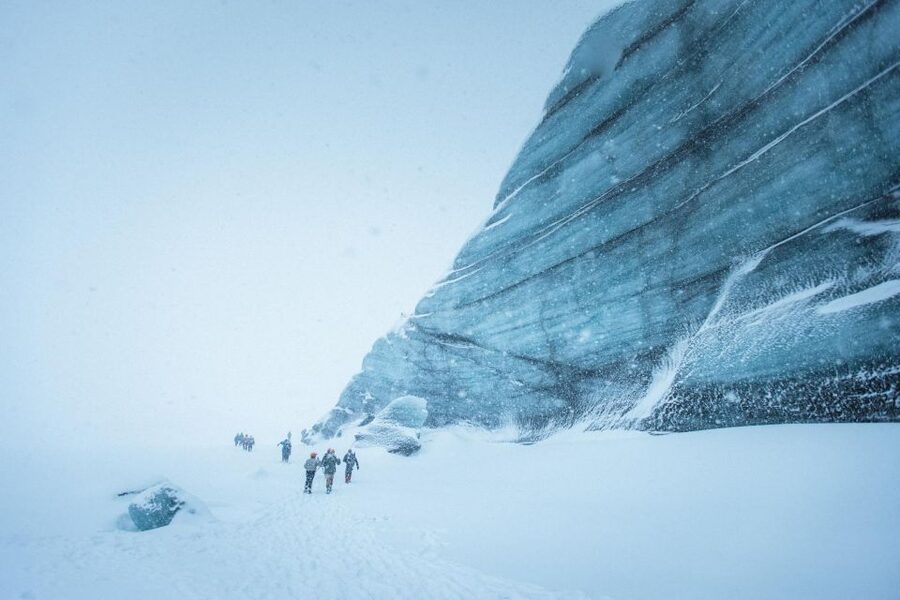
The glacier is more than a backdrop for the cave. The trip gives you several distinct settings in a compact period: the powerful Atlantic near Vík, black sand, volcanic soil, dark sediment on the ice, flowing meltwater, and the glacier itself.
That variety is one reason the experience feels fuller than a quick cave visit. You are not simply driven to an entrance, shown a frozen wall, and returned. You see how the glacier fits into the wider volcanic South Coast.
The contrast can be dramatic. Black ash on white ice makes the glacier look marked and ancient. Small streams and waterfalls show that the ice is active and changing. The huge open views around Mýrdalsjökull also help you understand the scale of the place before you step into a confined cave.
Weather can affect what you see and how easy the route feels. The description makes clear that conditions change constantly, so you should plan for a natural environment rather than a controlled attraction. The guide and the crews working around the glacier focus on safety, and several strong accounts praise that care.
Guide quality and group atmosphere
The guide can make or break a short adventure. Here, the strongest praise centers on guides who are funny, attentive, and clear about safety. Alex has been described as especially kind and energetic. Martin kept one outing organized and well paced, while Jon was praised for being both entertaining and informative.
That range of names suggests that the company has several good personalities on its guiding team, rather than depending on one star employee. You may get a guide who tells local stories, shares geographic facts, sings a Viking song, or keeps you moving when the cold sets in.
Small groups can improve the experience. One group received the chance to visit an extra ice cave because there was room in the schedule. You should not count on that addition, but it shows how a smaller group may allow a little flexibility.
The group setting also means you will not control every pause or photo stop. Most accounts describe guides as willing to stop for pictures, but weather and glacier safety take priority. This is a guided expedition, not a private photo session.
Is $250 a fair price?
At $250 per person, this is expensive for three hours. You are not paying for a full-day expedition or a long technical climb. You are paying for the Super Jeep, specialist access, glacier equipment, a trained guide, and the safety work required to reach a natural ice cave.
The off-road vehicle is the key value point. Without a capable vehicle and a guide who understands the route, the cave is not an easy independent stop. Once you add the remote approach, glacier travel, equipment, and changing conditions, the price becomes easier to understand.
Still, the cost will feel high if your cave visit is brief. A small cave, limited interior access, or poor weather could make the three hours feel short. You also need to buy or bring gloves and warm headwear, though those are modest extra costs.
I would call it good value for a once-in-a-lifetime priority, not a budget activity. If you have room for only one major paid outing on the South Coast, this can be worth choosing for its combination of off-road travel, glacier walking, and volcanic ice.
Who should book this glacier adventure?
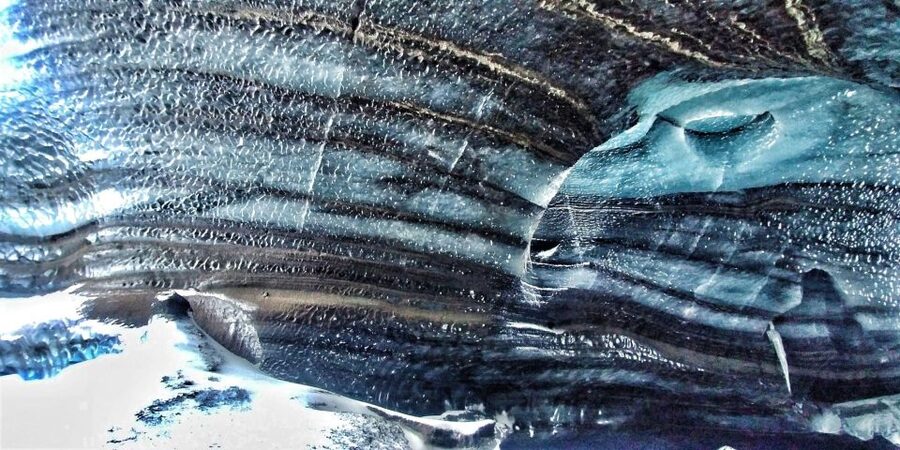
You are a good match if you want active sightseeing, unusual scenery, and a real sense of place. It suits people who would rather walk on a glacier than view one from a roadside, and it gives photographers strong contrasts between dark volcanic ash and blue ice.
It also works well for families with children six and older, provided everyone can manage uneven ground, crampons, and possible steps or ladders. The guide can offer reassurance, but this is not a passive attraction.
You may want to skip it if you dislike bumpy vehicle rides, feel uneasy on ice, or need a highly predictable itinerary. The cave is natural and temporary. It might be small, the access may change, and the weather can affect the feel of the outing.
Plan to wear warm layers and sturdy shoes. Bring gloves and headwear. Most importantly, leave room in your expectations for the cave to be different from the one pictured online.
Should you book the Katla Ice Cave tour?
Book it if the idea of riding a Super Jeep onto Mýrdalsjökull, walking with crampons, and entering a natural cave beneath Katla sounds more exciting than comfortable. The scenery, volcanic ice, and strong guide presence make this one of the more distinctive activities available from Vík.
Skip it if $250 feels too high for a three-hour trip or if you want a large, walkable ice chamber with guaranteed blue walls. For the right person, the changing cave is the point. You are seeing a temporary piece of Iceland shaped by ice, water, and fire, not entering a manufactured display.
FAQ
Where does the Katla Ice Cave tour meet?
Meet your guide outside the Ice Cave Bistro café parking lot at Austurvegur 20 in Vík, facing the ocean.
How long does the tour last?
The experience lasts three hours.
How much does the tour cost?
The listed price is $250 per person.
What equipment is included?
Helmets and crampons are included.
Should I bring gloves and headwear?
Yes. Gloves and headwear are not included, so you should bring your own.
What language is the tour conducted in?
The live tour guide speaks English.
What is the minimum age?
Children must be at least six years old. You should contact the provider about options for younger children.
Do I need to be in excellent physical shape?
No. The route is described as suitable for someone in average physical condition, but you should be ready for a glacier walk and possible steps or ladders.
Can I cancel for a full refund?
You can cancel up to 24 hours in advance for a full refund.
More Caves and Lava Tunnels
- Ice Cave Tour from Vík
★ 5.0 · 733 reviews - Katla Ice Cave Tour from Vik Small-Group Guided Adventure
★ 4.5 · 84 reviews - 3 Hours Katla Ice Cave Tour/Meet in Vík
★ 4.0 · 16 reviews - The Lava Tunnel Tour – Raufarhólshellir
★ 5.0 · 2,373 reviews
Fresh around Vík
- Easy Hike on Sólheimajökull Glacier★ 5.0 · 3 reviews
- Highland Snowmobiling Tour in Southern Iceland★ 5.0 · 3 reviews
- Exclusive Ice Climbing Experience on Sólheimajökull★ 5.0 · 3 reviews
- Private Ice Climbing on Sólheimajökull★ 5.0 · 3 reviews
- South Coast Including Vatnajökull National Park and Jökulsárlón Glacier Lagoon★ 4.0 · 4 reviews
- Þórsmörk Buggy Adventure Tour in Southern Iceland★ 5.0 · 4 reviews
- Private Glacier Hike on Sólheimajökull★ 5.0 · 4 reviews
- Hvolsvöllur: Private Thorsmork Guided Day Hike by Super Jeep★ 5.0 · 4 reviews
Ice Cave Tours, compared.
Ice Cave by Katla Volcano Super Jeep Tour from Vik
Read our review →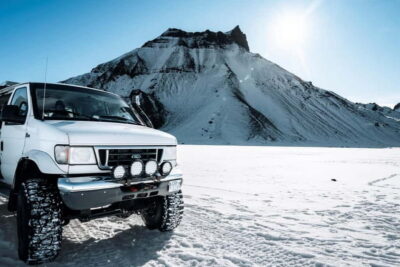
Katla Ice Cave & South Coast Waterfalls Tour
Read our review →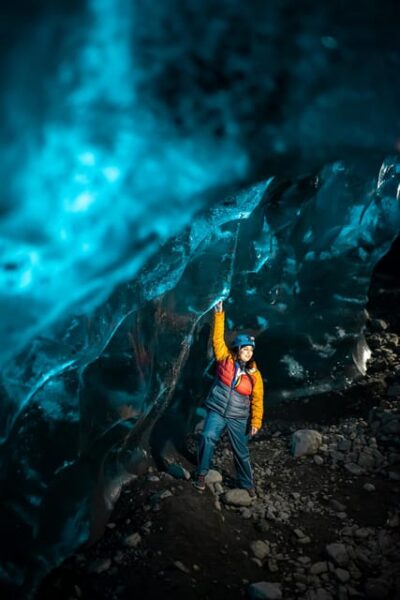
Browse the lists this tour appears in