
Reviewed · CAVING & LAVA TUNNELS
Geological Lava Tunnel Adventure – Arnarker Cave
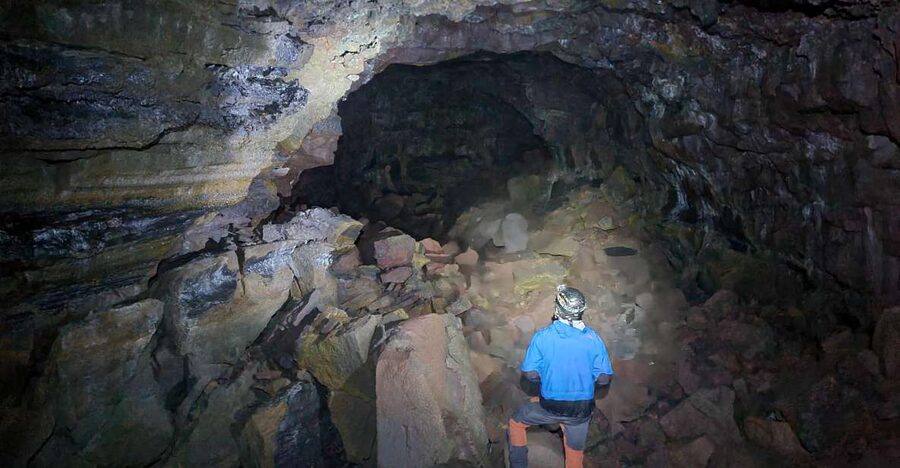
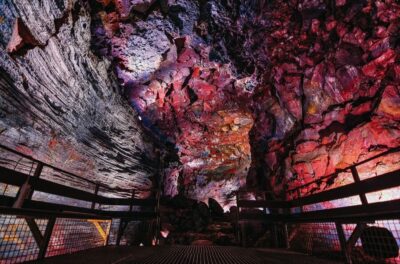
Real lava means real scrambling. The Arnarker Cave offers a rawer Icelandic caving trip than a polished show cave, with a professional geologist explaining how lava tunnels form. I like the very small groups, capped at six, and I like the chance to see winter ice formations beside the cave’s twisted volcanic rock. The tradeoff is clear: this is not an easy walk, and the uneven route demands balance, stamina, and warm clothing.
At $214 per person, the five-hour outing costs more than a standard sightseeing stop, but the price includes Reykjavik pickup and return, a guide, helmet, headlamp, and gloves. You still need proper hiking boots, and anyone uncomfortable with tight spaces, boulders, cold, or physical effort should choose a gentler Iceland activity.
In This Review
- Key points to know before you book
- From Hallgrimskirkja to the volcanic countryside
- Getting ready for a cave with no built path
- The first 100 meters take patience
- The 400-meter tunnel reveals the cave’s character
- Winter ice beside Icelandic volcanic rock
- A geologist makes the rock easier to read
- What $214 buys you
- Who will enjoy Arnarker Cave most
- Practical planning for a smoother outing
- Should you book the Arnarker Cave adventure?
- FAQ
- Where does the Arnarker Cave tour meet in Reykjavik?
- How long does the activity last?
- How long is Arnarker Cave?
- Is there a path inside the cave?
- What equipment is provided?
- What should I wear?
- How cold is the cave?
- Who cannot join this tour?
Key points to know before you book
- A real 500-meter lava tube: Arnarker Cave has no man-made path, so you climb over rocks and boulders for much of the route.
- A maximum of six people: The small group makes it easier to hear the guide and move through the cave without a crowd.
- A geology lesson underground: Your English-speaking guide explains Icelandic volcanism and the processes that shaped the tunnel.
- Cold conditions all year: The cave rarely rises above 4°C, even during Iceland’s summer.
- Winter can add ice: Frozen formations appear along the cave’s volcanic features in colder months.
- A demanding age and fitness range: The tour is for people aged 15 to 65 who have good balance and solid physical condition.
From Hallgrimskirkja to the volcanic countryside
Your day begins at Bus Stop 8, in the parking lot of Hallgrimskirkja in Reykjavik. Pickup and drop-off are included, which makes this easier than arranging a rental car and finding the cave yourself.
The drive takes about an hour to the cave area. One outing included a more scenic route past recent lava flows, so the transfer can become part of the geological lesson rather than mere transport. The exact route may vary, but you should expect to leave the city behind and travel through Iceland’s stark volcanic countryside.
The full activity lasts five hours. That includes the road journey, preparation, the cave visit, and the return to Reykjavik. Check the available start time carefully, especially if you are fitting this around another day tour.
A small group matters before you even reach the entrance. With no more than six participants, you have a better chance to stay close to the guide, ask questions, and pause for photographs without holding up a large line. It also means the cave feels less like a scheduled attraction and more like a shared expedition.
More Volcano and Lava Tours:
- Reykjavik: Golden Circle Full-Day Tour with Kerid Crater
★ 4.8 · 24,485 reviews - Small-Group Golden Circle, Blue Lagoon with Ticket & Kerid Crater
★ 5.0 · 5,631 reviews - Reykjavik: Golden Circle, Kerid Crater, & Blue Lagoon Tour
★ 4.9 · 4,351 reviews
Getting ready for a cave with no built path
The supplied helmet, headlamp, and gloves cover the basic safety gear. They do not replace sturdy footwear. You need hiking boots with ankle support, not soft sneakers or casual walking shoes.
A waterproof jacket is also a smart choice. Water can drip from the ceiling, and the cave remains cold even when Reykjavik feels mild. Dress in warm layers that allow your arms and legs to move freely.
The important point is that Arnarker is not a smooth underground walkway. There is no constructed path inside. In many sections, you climb over boulders and uneven volcanic rock. Good balance matters as much as strength because you will need to place your feet carefully and adjust your body as the cave changes shape.
The stated limits are specific. The tour is not suitable for children under 15 or people over 65. It is also not intended for pregnant women, wheelchair users, people with mobility limitations, heart or back problems, recent surgery, claustrophobia, low fitness, or a body weight above 275 pounds, or 125 kilograms. The maximum height is listed as 6 feet 6 inches, or 200 centimeters.
These restrictions are not minor fine print. They describe the actual demands of the cave. If you have doubts about balance, crawling, stepping over rocks, or working through a cold enclosed space, take those doubts seriously.
The first 100 meters take patience
The cave is about 500 meters long, but distance alone does not tell you how long the visit takes. The first section is around 100 meters and can take about an hour because you climb down and over rock and boulders.
That slow pace is part of the appeal. You are not simply walking beneath a strip of electric lights. You use a headlamp to pick out the route, and the rock underfoot controls your speed. The guide can stop to point out the shapes made by flowing lava and explain what happened as the tunnel cooled.
This is where the tour’s physical side becomes obvious. A 100-meter section may sound short on paper, yet uneven footing changes the effort. You should expect careful movement rather than a brisk hike.
The reward is a close look at volcanic rock. You can see and touch the formations instead of viewing them from behind a barrier. That direct contact gives the geology some weight. Icelandic volcanism becomes something under your gloves and boots, not just a diagram in a museum.
Photography is possible, and one particularly well-received outing included generous photo stops. Still, your headlamp, uneven ground, and limited room can make photography slower than on a normal walking tour. Bring a camera only if you can keep it secure and continue to use both hands when needed.
The 400-meter tunnel reveals the cave’s character
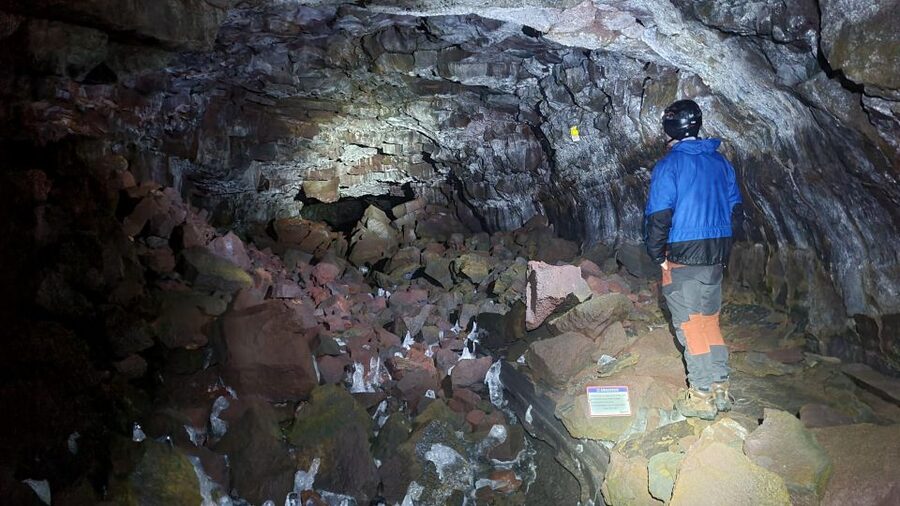
After the opening section, the remaining part of the tunnel runs for about 400 meters and takes roughly an hour and a half. This longer stretch lets you see why the cave is described as more natural and adventurous than Iceland’s better-known lava tunnel attraction.
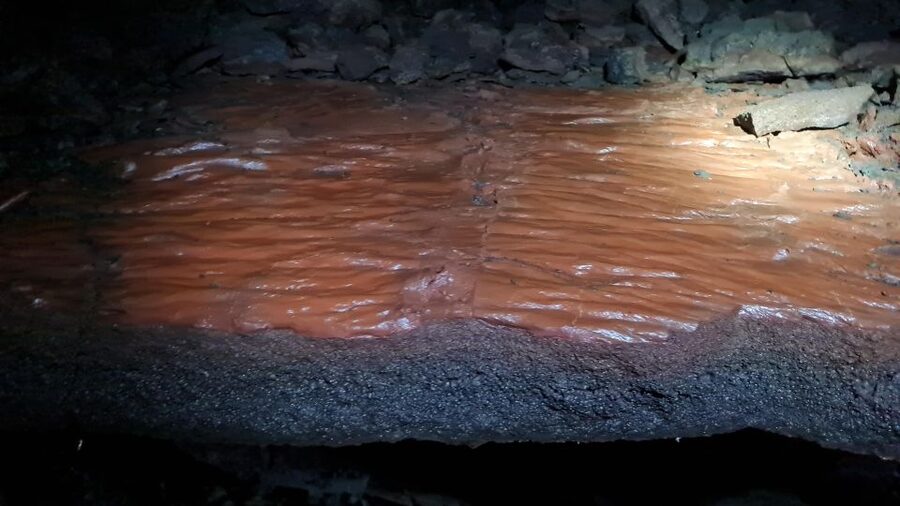
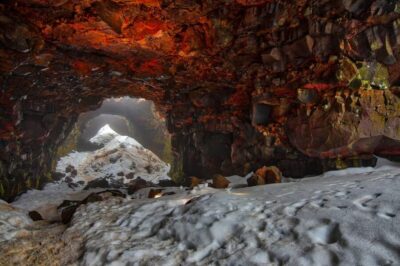
The cave’s appeal comes from its irregularity. You may find changing rock shapes, low sections, boulders, and other signs of the lava’s movement and cooling. The guide connects those features to the wider story of Icelandic volcanism, including how lava can leave behind a hollow passage after the outer flow cools.
The cave is not presented as a theatrical attraction. You are there for the rock itself, the darkness, and the work involved in moving through it. That makes this a strong choice if you want a hands-on geological activity rather than a simple underground stroll.
It also explains why the tour can feel long despite a 500-meter tunnel. The pace is set by the terrain, not by a paved trail. If you are fit and enjoy a challenge, the slow progress gives you time to notice small details. If you prefer easy walking, the same features may feel tiring.
More Caves and Lava Tunnels:
- The Lava Tunnel Tour – Raufarhólshellir
★ 5.0 · 2,373 reviews - Reykjavik: Snæfellsnes Day Trip with Vatnshellir Lava Cave
★ 4.7 · 1,108 reviews - From Reykjavik: Raufarhólshellir Lava Tunnel by Bus
★ 4.6 · 793 reviews - From Reykjavik: Lava Caving Tour
★ 4.7 · 585 reviews
Winter ice beside Icelandic volcanic rock
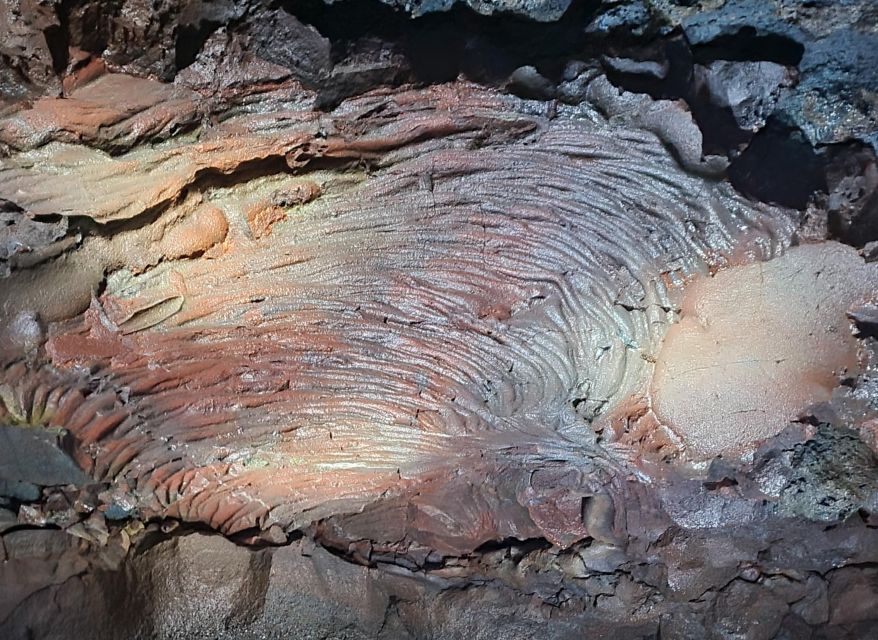
Arnarker Cave can be visited all year, and poor weather does not prevent the tour from operating. That is useful in Iceland, where rain, wind, and changing conditions can disrupt outdoor plans.
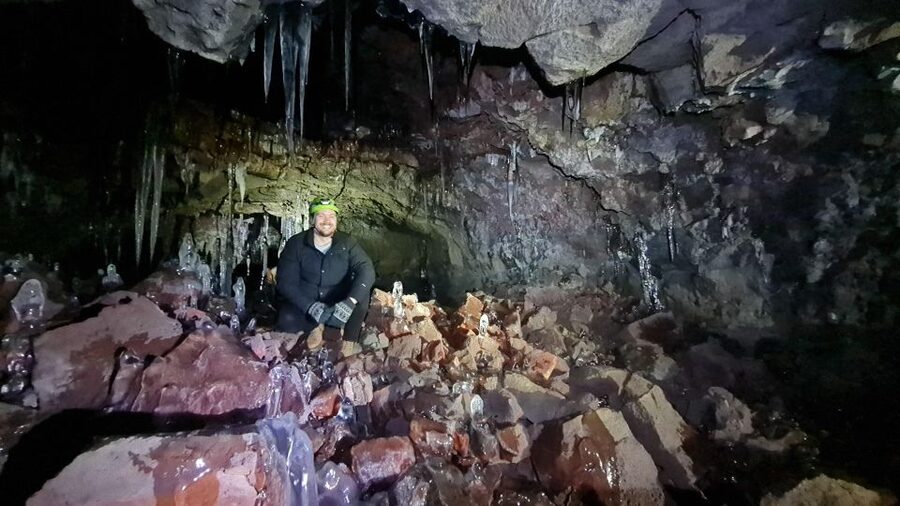
Winter adds its own reason to go. Ice formations can appear inside the cave alongside the volcanic features. The cold interior, which rarely exceeds 4°C, supports these frozen details and gives the cave a different look during the colder season.
You should not treat the ice as a guarantee on every winter departure, since the information only says that you can discover ice formations during winter. What is certain is the cold. Even in summer, you need to dress as if you were entering a refrigerator with rocks underfoot.
The contrast is the special part. Iceland’s volcanic past is visible in the tunnel, while winter adds temporary frozen shapes. That combination makes the cave more than a standard geology stop, but you need to be comfortable spending a long period in chilly conditions.
A geologist makes the rock easier to read
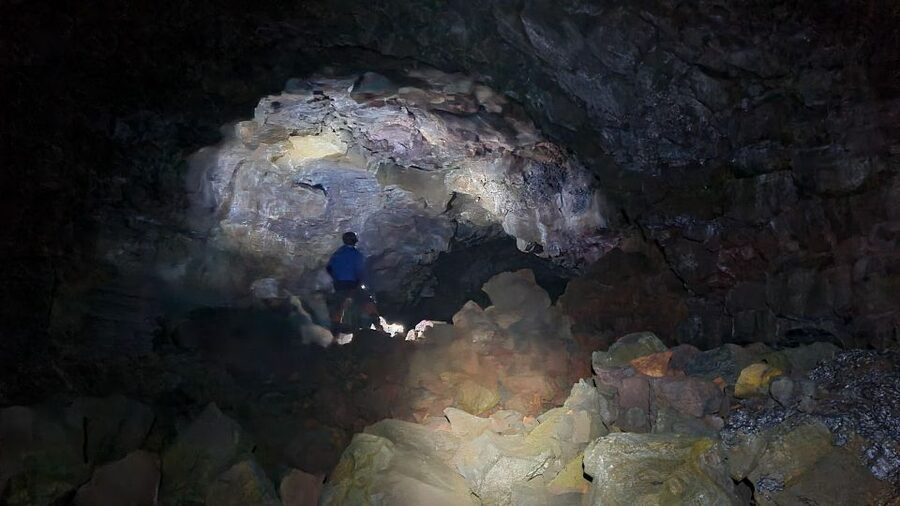
The guide is a professional geologist, and that is a major reason to choose this tour. The goal is not just to lead you safely from the entrance to the exit. You learn how lava caves form and how Iceland’s volcanic activity shaped the underground passage.
A geology guide can explain why one section looks different from another, what the tunnel tells you about moving lava, and how the surrounding volcanic features fit together. The explanation gives purpose to the climbing. Instead of seeing a pile of dark rocks, you begin to understand the sequence of heat, flow, cooling, and collapse behind them.
The English-language guiding also keeps the activity accessible to international visitors. Past outings included a guide who explained geology in clear, easy-to-follow terms and made time for photographs. Another guide was described as professional and companionable, a useful mix for a physically demanding trip.
The guide’s role is especially important in a group of six or fewer. You can ask a question without shouting across a bus-sized group, and the explanation can stay tied to what is directly in front of you.
What $214 buys you
At $214, this is a premium half-day activity. The value depends on what you want from Iceland. If you only want to see a lava cave, a cheaper and easier attraction may suit you better. If you want a small-group outing with expert geology, transport, equipment, and a genuine off-path cave, the cost is easier to justify.
The included items remove several practical hassles. You do not need to rent a car for the visit, find the cave on your own, or buy a helmet and headlamp. Gloves are also provided. Pickup and drop-off at Bus Stop 8 keep the day simple from a central Reykjavik meeting point.
You must supply hiking boots and food and drinks. The boot requirement is not an optional extra in practical terms. Proper ankle support improves your footing and makes the boulder sections safer and more manageable.
The price also buys time with a very small group. A maximum of six people is a meaningful difference here because the cave is narrow, uneven, and not built for mass sightseeing. You are paying partly for access to a more personal format and partly for the guide’s geological expertise.
Free cancellation up to 24 hours before departure gives you some protection if your Iceland schedule changes. You can also reserve and pay later, which helps if you are still adjusting plans around weather and other activities.
Who will enjoy Arnarker Cave most
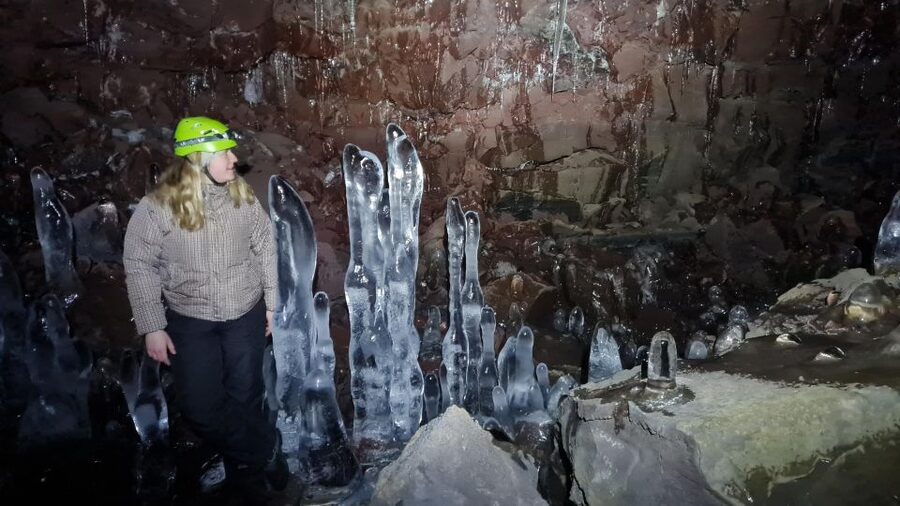
I would choose this tour if you enjoy physical activity and want to understand Iceland through its geology. It suits a fit teenager or adult who can climb over uneven rock, keep balance, and stay warm in a cave for several hours.
It is also a good match for anyone who finds ordinary tourist routes too polished. The appeal is the natural floor, the small group, the headlamp, and the sense that you are moving through a real lava tube rather than a staged attraction.
You may also value it if you are visiting Iceland in winter. The cave operates year round, and the possible ice formations add another layer to the volcanic setting.
I would not book it simply because the cave is 500 meters long or because the price includes equipment. The challenge is central to the outing. People with claustrophobia, low fitness, mobility limits, certain medical conditions, or a dislike of cold and uneven ground should skip it.
Practical planning for a smoother outing
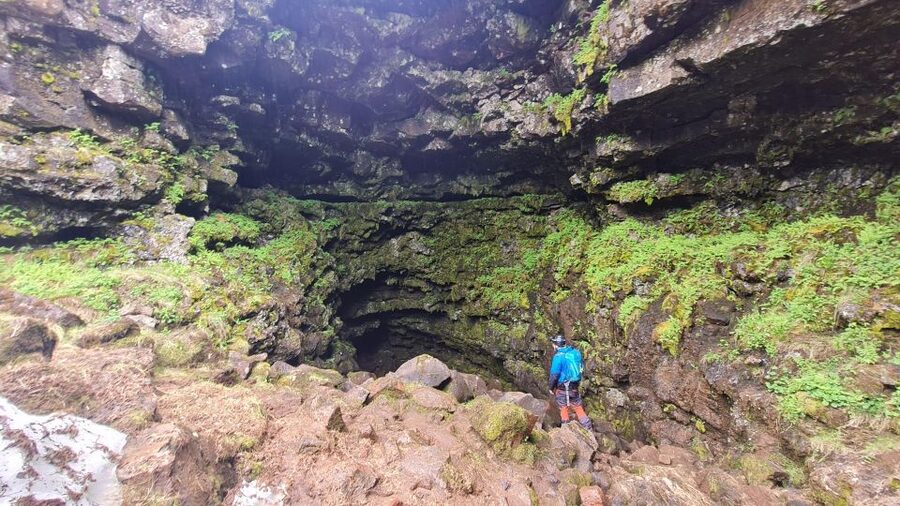
Wear warm layers beneath a waterproof outer jacket. Choose hiking boots with firm soles and ankle support. Gloves are supplied, but your own warm base layers still matter because the cave rarely rises above 4°C.
Keep your schedule flexible around the five-hour duration. The drive itself takes about an hour each way in a typical account, and the cave sections can take around two and a half hours because of the terrain. A scenic route past recent lava flows may make the transfer longer on some departures.
Do not arrive expecting a fast walk. The first 100 meters alone can take about an hour. Set a steady pace, use the handholds and stable surfaces available, and let the guide manage the route.
The tour is conducted in English. Since the group is limited to six, you should have a good chance to follow the explanations and ask about the formations you see.
Should you book the Arnarker Cave adventure?
Book it if you want Icelandic geology up close, can handle a cold and uneven cave, and value a small group over a polished tourist route. The combination of a professional geologist, included safety gear, Reykjavik transport, possible winter ice, and real boulder scrambling gives the outing a clear identity.
Skip it if you need a flat path, dislike enclosed spaces, or want a simple family activity. At $214, it is too expensive for a trip that does not match your fitness or comfort level.
For the right person, Arnarker Cave offers something more lasting than a quick underground photo. You leave with a better sense of how Iceland’s lava moved, cooled, and hollowed out the rock beneath your feet.
FAQ
Where does the Arnarker Cave tour meet in Reykjavik?
Pickup and drop-off are at Bus Stop 8, in the parking lot of Hallgrimskirkja.
How long does the activity last?
The total duration is five hours. The drive from Reykjavik to the cave area takes about an hour in a typical account.
How long is Arnarker Cave?
The lava tunnel is about 500 meters long. The first 100 meters can take around an hour, while the remaining 400 meters can take about an hour and a half because of the rough terrain.
Is there a path inside the cave?
No. There is no man-made path, and climbing over boulders is necessary through much of the cave.
What equipment is provided?
The tour provides helmets, headlamps, and gloves. Hiking boots are not provided.
What should I wear?
Wear warm clothing and hiking boots with ankle support. A waterproof jacket is recommended because water can drip from the cave ceiling.
How cold is the cave?
The temperature rarely exceeds 4°C, even during summer.
Who cannot join this tour?
The activity is not suitable for children under 15, people over 65, pregnant women, wheelchair users, people with mobility impairments, claustrophobia, heart or back problems, recent surgery, low fitness, or people above the listed height and weight limits.
Fresh around Reykjavík
- Exclusive Snaefellsnes Peninsula Private Day Tour★ 4.0 · 3 reviews
- Tipsy in Reykjavik: Drink with a Viking (Food, Beer, Music)★ 5.0 · 3 reviews
- Sólheimajökull Glacier Hiking Tour★ 3.7 · 3 reviews
- Northern Lights 3 Hours Private tour★ 4.5 · 3 reviews
- Northern Lights Private Tour from Reykjavik★ 5.0 · 3 reviews
- Private Superjeep Tour To Landmannalaugar and Hekla Volcano★ 5.0 · 3 reviews
- From Reykjavik: Private South Coast Tour in Iceland★ 4.3 · 3 reviews
- Iceland’s south coast G spots★ 5.0 · 3 reviews
Caving & Lava Tunnels, compared.
Raufarhólshellir Lava Tunnel: Underground Expedition
Read our review →
Snæfellsnes Day Trip with Vatnshellir Lava Cave
Read our review →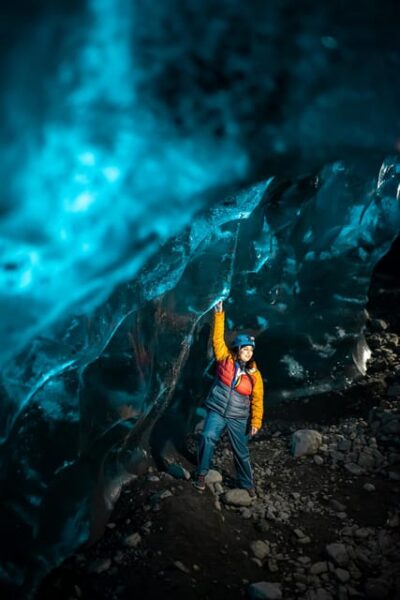
Browse the lists this tour appears in