
Reviewed · VOLCANO & LAVA TOURS
Reykjavík: Guided Afternoon Hiking Tour to New Volcano Site
Fresh lava makes a powerful classroom. I like the chance to walk across newly hardened volcanic ground and the stop at Seltún’s steaming hot springs, where sulfur colors the earth in yellow, orange, and green. The guides, including Tom, Dave, Alain, and Ottar, are praised for mixing geology with Icelandic stories, music, humor, and practical care.
The main drawback is the hike. Reaching a good viewpoint can take about two hours each way, and the route is rated moderate to hard. Wind, rain, ice, loose stones, and steep sections can turn a grand outing into a serious workout, so this is not a casual sightseeing trip.
At $126, this seven-hour excursion offers a useful mix of transport, guiding, a geothermal stop, and a close look at recent eruptions. But the exact experience depends on volcanic activity, weather, safety rules, and route closures. You may see smoldering lava rather than flowing magma.
In This Review
- Key points to know before you go
- Why this Reykjanes volcano trip is worth your afternoon
- Seltún’s sulfur pools make a vivid opening stop
- The Geldingadalur hike is the heart of the day
- Litli-Hrutur may show heat instead of an eruption
- Meradalir explains how lava becomes new ground
- The guides turn a hard walk into a better lesson
- Weather and equipment deserve serious attention
- What $126 buys you
- Who should book this hike?
- My verdict on the Reykjavík volcano hike
- FAQ
- Where does the tour take place?
- How long does the experience last?
- Where is the meeting point in Reykjavík?
- Is hotel pickup available?
- How difficult is the hike?
- Will I definitely see flowing lava?
- What should I bring?
- Is food included?
- Is the tour suitable for children?
- What language is the tour in?
Key points to know before you go
- The lava site can change quickly: The Litli-Hrutur flow has stopped at times, though the ground may still smolder and release heat or steam.
- Expect a long hike: The walk may take around two hours each way, with total distances reported at about 11 kilometers on some outings.
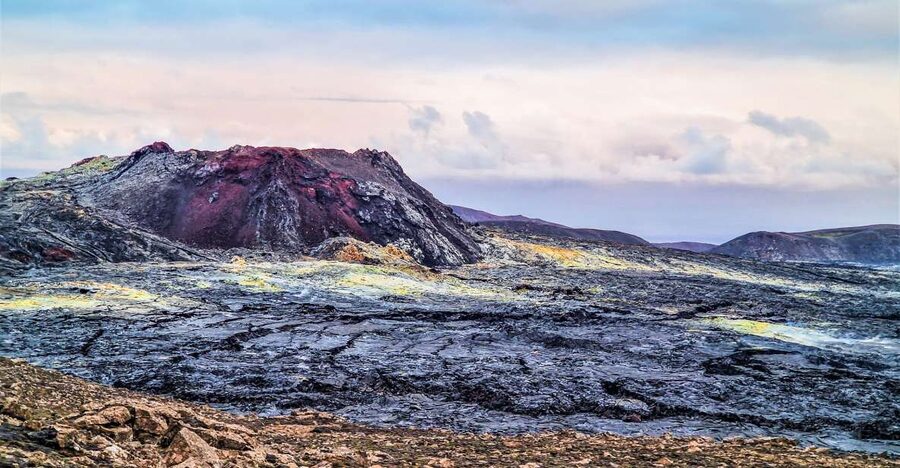
- Seltún adds color and contrast: Sulfur pools, steaming ground, and unusual mineral colors make this a worthwhile first stop.
- Guides are a major strength: Names such as Tom, Dave, Alain, Ottar, and Sara appear often in praise for their care, humor, and clear explanations.
- Pack your own food: There is nowhere along the route to buy lunch, so bring snacks, water, and a packed meal.
- Weather controls the day: The route may be shortened or changed when wind, rain, snow, or volcanic conditions make the original plan unsafe.
Why this Reykjanes volcano trip is worth your afternoon
The Reykjanes Peninsula is a good place to see Iceland in its rawest form. This is not a polished attraction with railings, cafés, and neat viewing platforms. You get black lava, rough ground, steaming vents, moss-covered older flows, and a volcanic area still changing under your boots.
The tour begins with pickup in central Reykjavík or at the designated meeting point, Tour Bus Stop 12 opposite the Storm Hotel. Pickup from hotels and official bus stops is available in central Reykjavík, though city bus restrictions mean you may be directed to a nearby stop if your accommodation sits on a road closed to tour buses.
The drive gives you time to settle in. Your guide explains the volcanic activity around Fagradalsfjall, Meradalir, and Geldingadalur, then connects what you see outside the window with the ground you will later walk across. Guides have also added local stories, Icelandic culture, music, and food tips, which helps keep the bus ride from becoming a silent transfer.
The tour lasts about seven hours, but the timetable is not rigid. An active volcano is a poor partner for a clock. Road access, safety boundaries, weather, and official route closures can alter the length and order of the day.
More Volcano and Lava Tours:
- Reykjavik: Golden Circle Full-Day Tour with Kerid Crater
★ 4.8 · 24,485 reviews - Small-Group Golden Circle, Blue Lagoon with Ticket & Kerid Crater
★ 5.0 · 5,631 reviews - Reykjavik: Golden Circle, Kerid Crater, & Blue Lagoon Tour
★ 4.9 · 4,351 reviews
Seltún’s sulfur pools make a vivid opening stop
After roughly 35 minutes by coach, you reach the Seltún Geothermal Area in Krýsuvík. The stop lasts about 25 minutes and usually gives you time for photographs, a short walk, and a look at the steaming ground.
Seltún is a useful introduction to Iceland’s volcanic character because it shows heat below the surface without requiring a long hike. The ground is marked by vivid mineral colors, mud, steam, and a strong sulfur smell. If you are sensitive to odors, take that seriously. The smell is part of the place, not a flaw in the tour.
This brief stop also breaks up the drive before the main walk. You can stretch your legs, check your clothing, and make sure water and snacks are easy to reach. Do not expect a long visit. Twenty-five minutes passes quickly, especially if the weather is cold or wet.
From Seltún, the coach continues for about 20 minutes toward the volcanic hiking area. Along the way, the guide may point out older lava fields, long-dormant volcanic systems, and soft green moss growing over hardened rock. These details matter because the peninsula is not just a collection of separate sights. It is a record of eruptions at different ages.
The Geldingadalur hike is the heart of the day
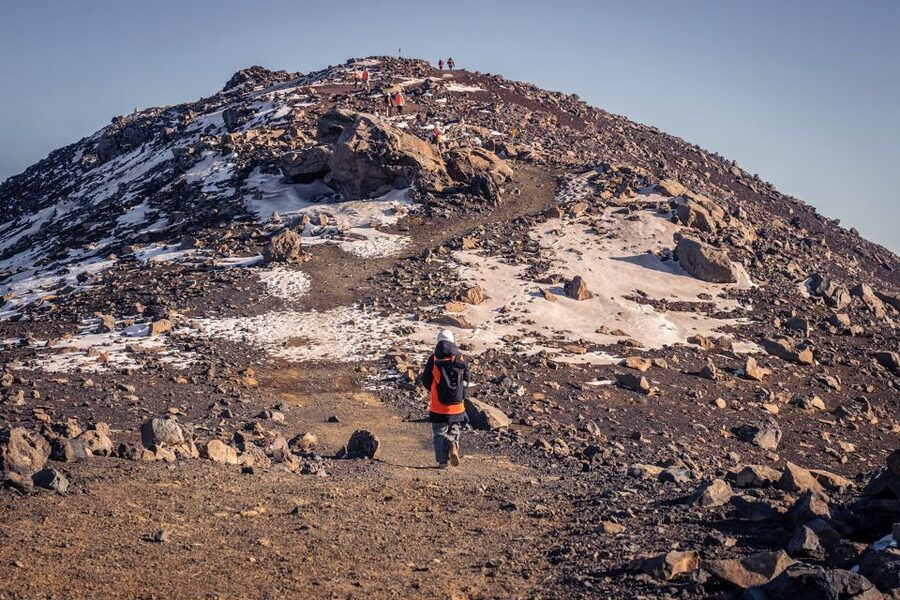
The main hike takes about three hours in the stated itinerary, with roughly two hours or more needed to reach a good viewing point and a similar effort on the return. Some outings have covered about 11 kilometers in total, while bad weather has led guides to shorten the route.
The trail is described as moderate to hard. That label deserves respect. It may feel manageable to a regular hiker, but the length, changing weather, loose lava, snow, ice, and slopes can make it tiring. One report describes slippery sections where shoe grips would have helped, while another notes tricky stones and ice. You should be ready to walk steadily for several hours without nearby facilities.
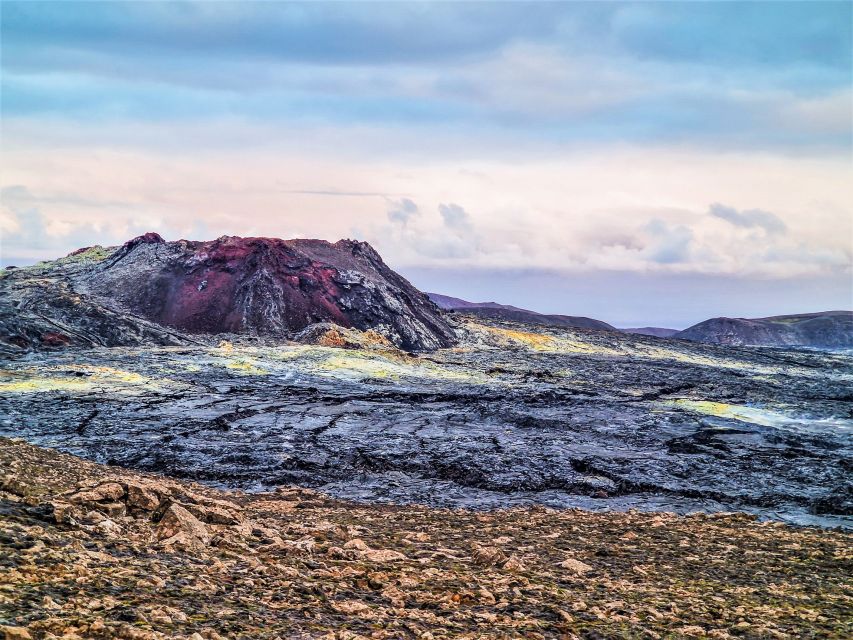
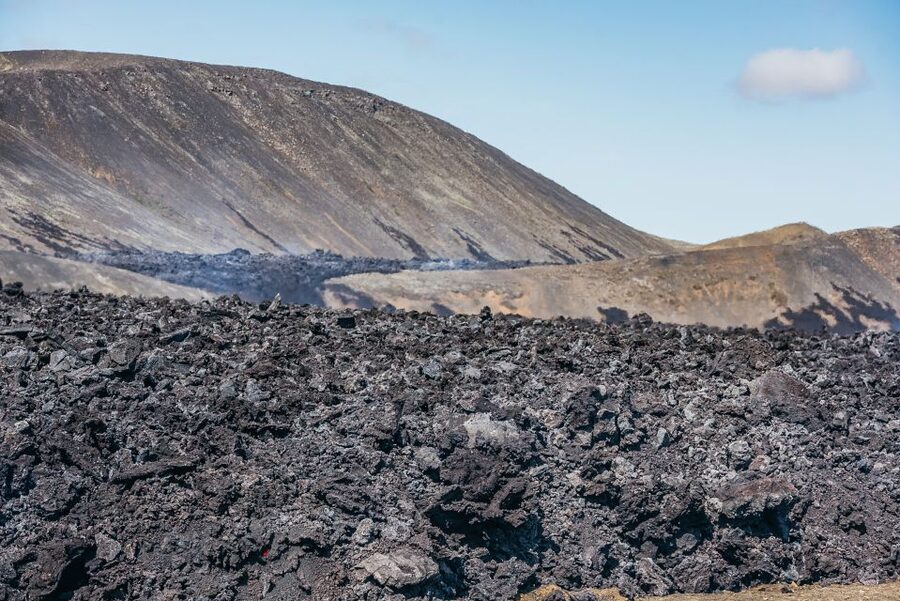
The reward is not only the volcano at the end. The route itself crosses a stark mix of black rock, rough lava formations, and open views around Fagradalsfjall. The fresh ground has shapes and textures that look almost artificial, but this is the real thing: lava that flowed, cooled, cracked, and hardened in a short span of time.
At Meradalir, you can see where earlier eruptions changed the valley. Your guide explains how lava moved through the area and how the surface cooled. Walking near these flows gives you a much better sense of scale than viewing them from a bus or a distant road. You can see where the rock piled up, where it hardened, and how small plants are beginning to return.
The walk is managed as a group. Several guides have been praised for keeping faster and slower hikers together, with one guide often walking at the back so nobody feels abandoned. Alain, in particular, is described as allowing plenty of time for rest and photographs. That approach is important here. The best pace is safe and steady, not fast.
Litli-Hrutur may show heat instead of an eruption
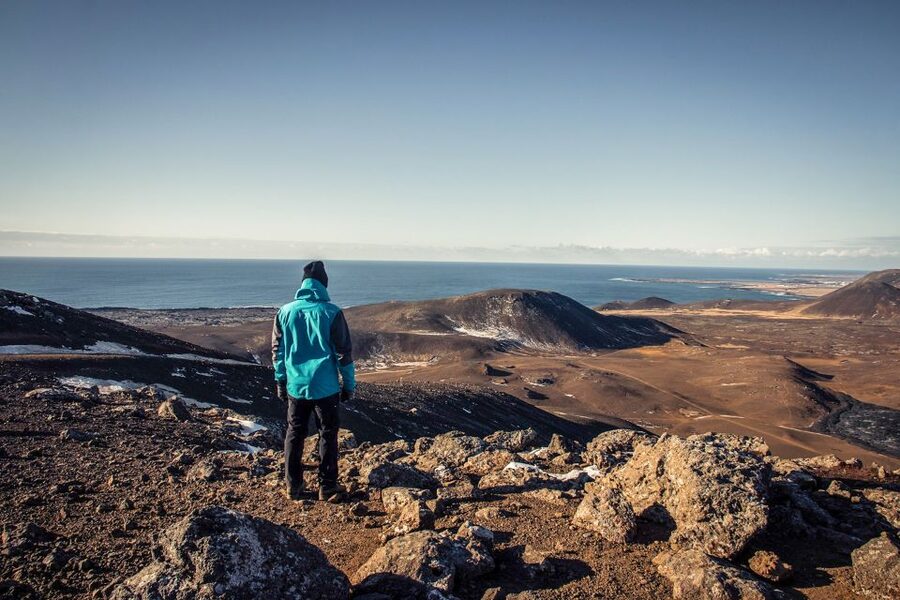
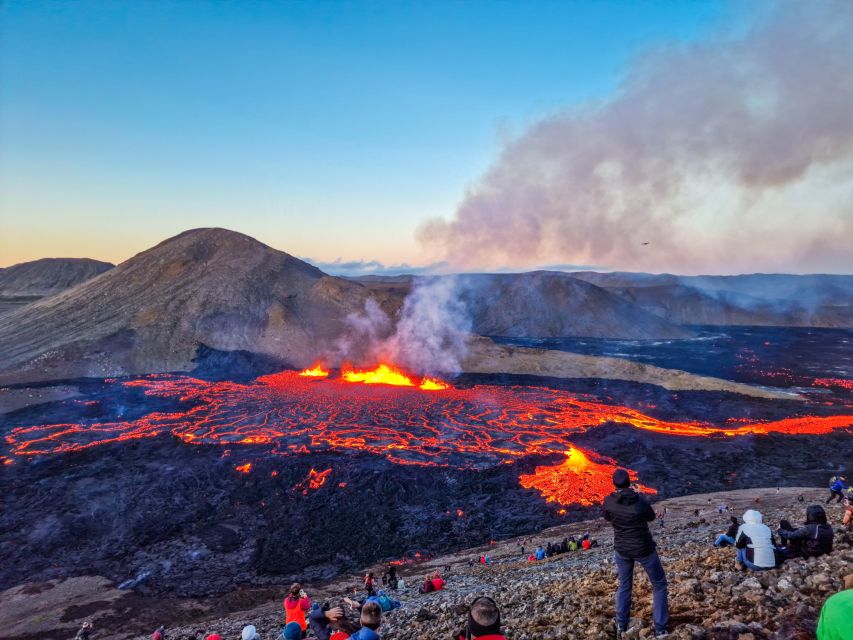
The advertised highlight is the recent eruption at Litli-Hrutur, but volcanic conditions can change before your departure. The supplied update states that new lava flow had stopped, at least temporarily, while the site remained smoldering and interesting to visit.
That means you should not book this trip on the promise of seeing red lava bubbling from a crater. You might see steam, heat, fresh black rock, or glowing material if conditions permit, but you might also see a quiet eruption site. Safety rules can prevent you from getting as close as the photographs suggest.
This is still a worthwhile geological experience. Fresh lava remains unusual to see, even after it cools. Some parts may retain heat, and the hardened surface shows the force and movement of the eruption. A few outings have included remarkably warm lava rocks and enough heat to warm a sandwich, but do not count on that as a planned feature.
The guide also explains why volcanic activity can stop and restart, how lava cools, and why access routes change. That context helps you understand what you are seeing rather than simply taking pictures of a black field.
More Hikes and Walks:
- Reykjavik: Glacier Hike, Waterfalls and Black Sand Beach
★ 4.8 · 1,285 reviews - Reykjavík: Volcano Eruption Site and Reykjanes Hiking Tour
★ 4.6 · 1,066 reviews - From Reykjavik: Glacier Hike, South Coast and Waterfalls Day Trip
★ 5.0 · 915 reviews - Glacier Hike and South Coast Small-Group Tour from Reykjavik
★ 5.0 · 827 reviews
Meradalir explains how lava becomes new ground
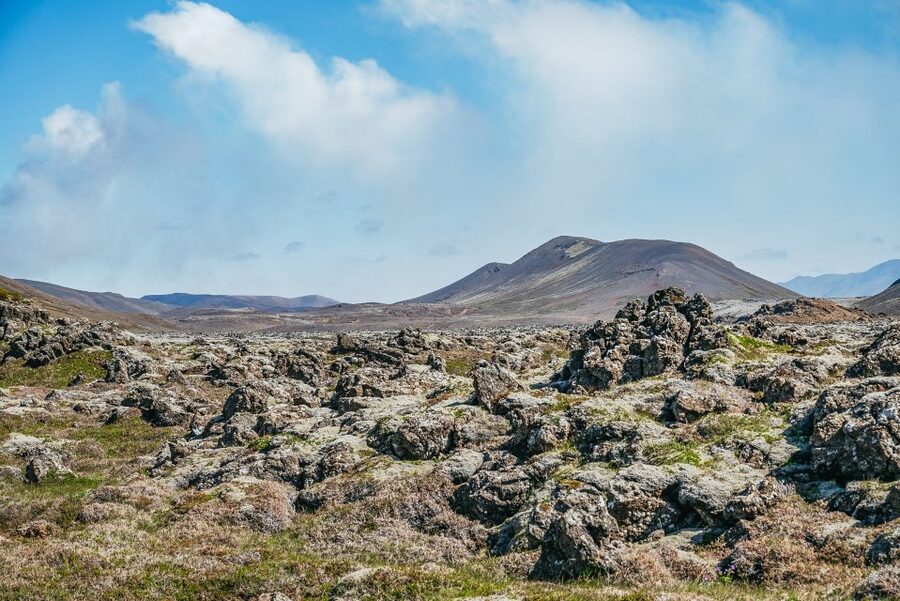
Meradalir is especially valuable for anyone curious about the mechanics of an eruption. Here, the focus is on how lava traveled through the valley, spread across lower ground, and cooled into uneven rock.
The surface can look lifeless at first, but older lava is often softened by green moss. Your guide may compare that older growth with the bare, jagged surfaces created by recent eruptions. Over time, weather and plants will change the appearance of the area, so seeing it while it remains stark gives the outing a strong sense of timing.
You also gain a clear view of how quickly an eruption can reshape a place. Roads, paths, towns, and fields around the peninsula have all been affected by seismic activity and eruptions. The drive through or near Grindavík has been especially sobering when access allows, with earthquake damage and defensive construction visible in the area. Access to towns and roads can change, so do not assume this will always be included.
The guides turn a hard walk into a better lesson
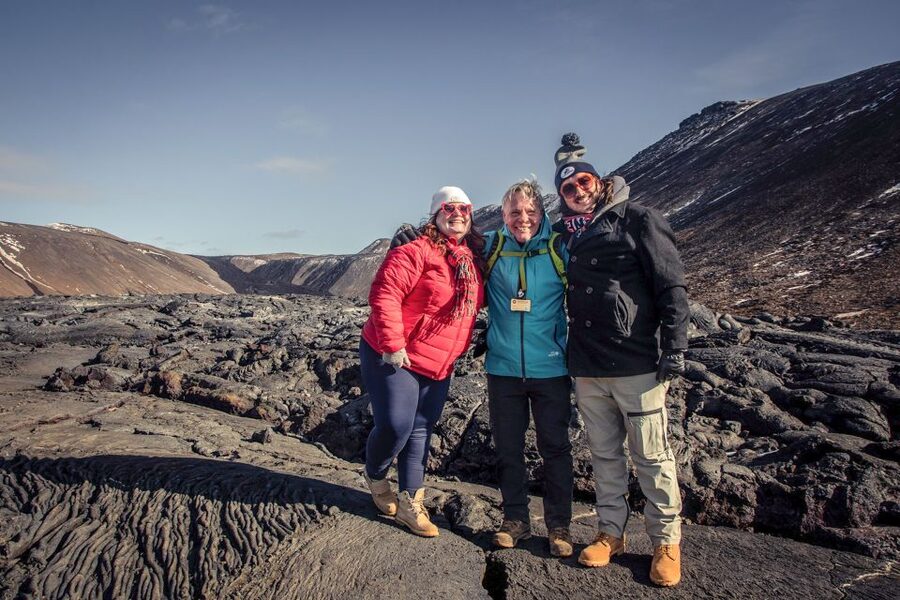
The strongest part of the experience is often the guiding. Tom has been praised for his care, local insight, humor, and ability to explain Icelandic life. Dave is described as lively and attentive, with useful suggestions about where to eat in Reykjavík. Alain is praised for giving clear information about past and recent eruptions while keeping the group together.
Ottar is noted for sharing stories and music, while Sara and several other guides have been praised for being friendly and well informed about Iceland. Different guides lead different departures, so you cannot choose a particular personality with certainty. Still, the repeated pattern is encouraging: the guide is not merely counting heads and pointing toward a hill.
That matters because volcanic ground can be confusing. A dark ridge may be a crater, an old lava edge, or a cooled flow. A guide helps you connect the visible features with the science and history of the peninsula.
The best guides also know when to adapt. One outing was shortened from about 20 kilometers to 11 kilometers because of strong wind and rain. Another changed plans during severe weather. That is good judgment, not a failure to deliver the original plan.
Weather and equipment deserve serious attention
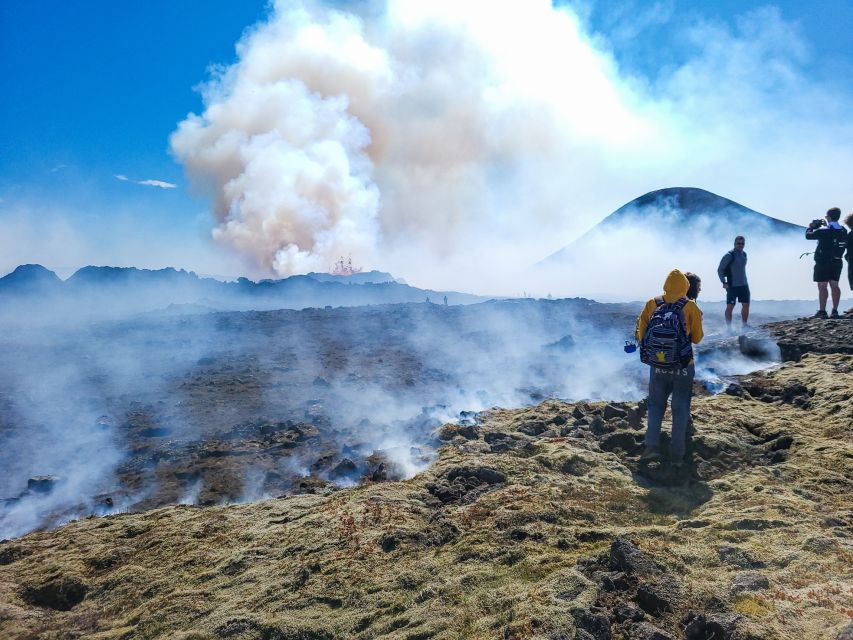
Icelandic weather can change during the drive, the hike, and the return. Snow, sideways rain, strong wind, bright sun, and ice have all shaped this outing at different times. You need warm, weather-appropriate layers, gloves, a hat, rain gear, water-resistant clothing, and proper hiking shoes.
The supplied instructions list comfortable shoes and hiking shoes, plus warm clothing and rain gear. They also specifically say not to wear jeans or sports shoes. That is sensible advice. Jeans become cold and heavy when wet, while ordinary athletic shoes may lack the grip needed on ice or loose lava.
Bring snacks, water, and a packed lunch. There is no place along the walk to buy food, and one outing specifically found that people needed to carry their own meal. A thermos or sturdy snack is more useful than hoping to find a café near the volcano.
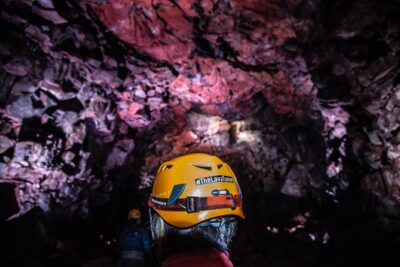
A headlamp is included, which can help if the return takes place in low light. It does not replace warm clothing or good footwear. You are still responsible for being ready for a long outdoor hike.
What $126 buys you
At $126 per person, the price is reasonable if you want a guided volcano outing without arranging transport across the peninsula yourself. The fee includes the coach journey, live English-language guiding, entry fees, and a headlamp. It also covers the planning and route decisions required in an area where conditions may shift.
The value is strongest for you if geology, recent eruptions, and rugged walking appeal to you. You get several elements in one day: Seltún, the volcanic valleys, old and new lava, scenic driving, and explanations from a local guide.
The price is less attractive if you want a guaranteed eruption spectacle or an easy walk. You may spend seven hours for a smoldering field, a shortened route, or a distant view because safety restrictions come first. That is not a defect unique to this tour. It is simply the reality of visiting a live volcanic zone.
Some practical irritations have occurred, including a late bus, a broken bus door, and a long return caused by multiple Reykjavík drop-offs. These issues appear occasional rather than central to the experience, but you should avoid scheduling a tight evening flight or dinner reservation afterward.
Who should book this hike?
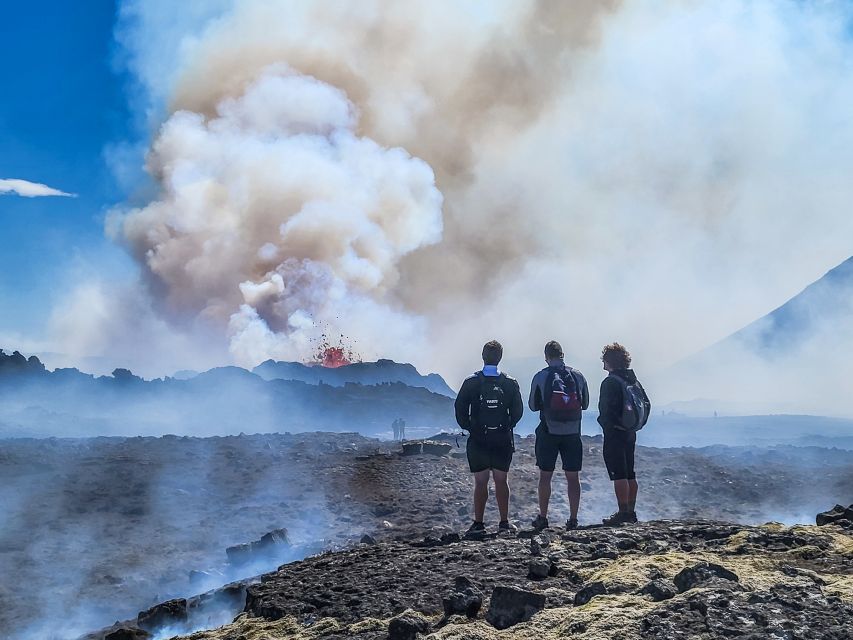
I would choose this tour if you are comfortable with a long walk and want to understand Iceland’s volcanic ground rather than only photograph it. It suits regular hikers, curious first-time hikers who can manage a moderate to hard route, and anyone who values a guide’s explanation of what is happening beneath the surface.
It is not suitable for children under 12 or people with mobility impairments. You should also think carefully if you have a serious health condition. One person with asthma completed the walk but found it challenging, and another account notes that some people could not finish.
If you are unsure about your fitness, ask yourself whether you can walk for several hours over uneven ground in cold, wet, or windy conditions. If the answer is no, look for a shorter volcanic viewpoint or a vehicle-based Reykjanes tour instead.
My verdict on the Reykjavík volcano hike
I like this experience because it gives you more than a dramatic photograph. You see the geothermal heat at Seltún, walk across lava from recent eruptions, compare fresh rock with moss-covered older flows, and hear how the Reykjanes Peninsula keeps changing.
The tour is at its best when you accept uncertainty. Litli-Hrutur may no longer be erupting. The route may change. The weather may be rough. Yet the black lava, steaming ground, and wide volcanic valleys remain powerful sights.
Book it if you want an active, educational day and can prepare properly. Skip it if you need guaranteed flowing lava, an easy stroll, or a fixed schedule. For the right kind of visitor, $126 buys a memorable look at Iceland while the ground is still new.
FAQ
Where does the tour take place?
The tour visits volcanic areas on Iceland’s Reykjanes Peninsula, including Geldingadalur Valley, Meradalir, Fagradalsfjall, Litli-Hrutur, and the Seltún Geothermal Area in Krýsuvík.
How long does the experience last?
The stated duration is seven hours. The timing can change because of weather, volcanic activity, safety conditions, and route closures.
Where is the meeting point in Reykjavík?
The meeting point is Tour Bus Stop 12, opposite the Storm Hotel. Pickup is also available from hotels and official bus stops in central Reykjavík, but you should confirm the details after booking.
Is hotel pickup available?
Yes. Pickup is available from hotels and official bus stops in central Reykjavík. City bus restrictions may mean you are redirected to a special bus stop if your accommodation is in a restricted area.
How difficult is the hike?
The hike is considered moderate to hard. Reaching a good viewing point can take about two hours or more, and some outings have covered about 11 kilometers in total.
Will I definitely see flowing lava?
No. The Litli-Hrutur lava flow has stopped at times, although the area may still smolder or release heat and steam. Volcanic activity and access conditions can change.
What should I bring?
Bring hiking shoes, warm clothing, a hat, gloves, rain gear, water, snacks, and a packed lunch. Clothing should suit the weather, and jeans and sports shoes are not recommended.
Is food included?
No. Food and drinks are not included, and there is nowhere along the route to buy a meal. Pack enough food and water for the hike.
Is the tour suitable for children?
The tour is not suitable for children under 12 years old. It is also not suitable for people with mobility impairments.
What language is the tour in?
The live tour guide speaks English. A headlamp and entry fees are included in the price.
Fresh around Reykjavík
- Tipsy in Reykjavik: Drink with a Viking (Food, Beer, Music)★ 5.0 · 3 reviews
- Exclusive Snaefellsnes Peninsula Private Day Tour★ 4.0 · 3 reviews
- Sólheimajökull Glacier Hiking Tour★ 3.7 · 3 reviews
- Northern Lights 3 Hours Private tour★ 4.5 · 3 reviews
- Northern Lights Private Tour from Reykjavik★ 5.0 · 3 reviews
- From Reykjavik: Private South Coast Tour in Iceland★ 4.3 · 3 reviews
- Private Superjeep Tour To Landmannalaugar and Hekla Volcano★ 5.0 · 3 reviews
- Iceland’s south coast G spots★ 5.0 · 3 reviews
Volcano & Lava Tours, compared.
Golden Circle Full-Day Tour with Kerid Crater
Read our review →
Small-Group Golden Circle, Blue Lagoon with Ticket & Kerid Crater
Read our review →
Golden Circle, Kerid Crater, & Blue Lagoon Tour
Read our review →
LAVA SHOW – Immersive Experience Entry Ticket
Read our review →
Lava Show Reykjavik Admission Ticket – Optional Premium Upgrade
Read our review →
Golden Circle with Kerid Volcanic Crater Day Tour from Reykjavik
Read our review →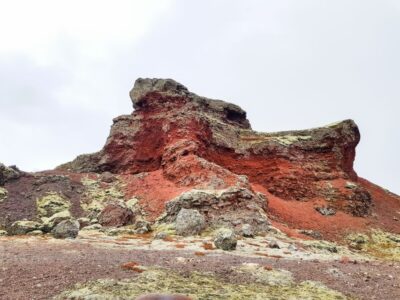
Browse the lists this tour appears in