Reviewed · REYKJAVíK TOURS
The Icelandic Storyteller
Stories make Iceland feel close. The Icelandic Storyteller brings the country’s sagas, folklore, and cultural traditions into a cozy baðstofa, a traditional sitting room in central Reykjavik. I like the intimate setting, and I like the way the tales connect Iceland’s past with the culture you see today.
The experience lasts 90 minutes and includes a drink before the storytelling begins. The main thing to consider is its relaxed, talk-heavy format. If you want action, scenery, or a packed schedule, this may feel slow. If you enjoy a good tale told by someone who knows the subject well, storyteller Paul can make the time fly.
In This Review
- Key points about The Icelandic Storyteller
- Why storytelling matters in Iceland
- Entering the baðstofa in downtown Reykjavik
- The opening: setting the scene for Icelandic tales
- Twenty stories that carry you across Iceland
- Paul and the value of a live guide
- From ancient sagas to modern Iceland
- The atmosphere: intimate, informal, and occasionally eerie
- Who will get the most from this experience
- Is $66 a fair price?
- Timing and planning tips for your evening
- What the praise gets right, and where expectations matter
- Should you book The Icelandic Storyteller?
- FAQ
- Where does The Icelandic Storyteller take place?
- How long does The Icelandic Storyteller last?
- How much does it cost?
- What language is the experience offered in?
- Is a drink included?
- Is food included?
- How early should I arrive?
- Is the experience wheelchair accessible?
- Are the stories suitable for young children?
- Can I cancel for a refund?
Key points about The Icelandic Storyteller
- Twenty stories in one sitting: The experience uses 20 tales to carry you across Iceland’s history, folklore, and cultural life.
- A traditional baðstofa setting: You hear the stories in a local-style sitting room rather than a large theater or formal museum.
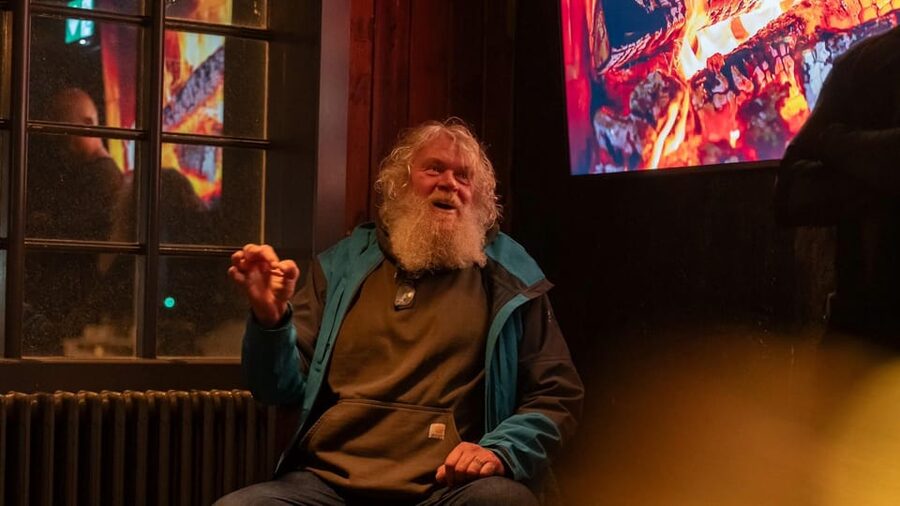
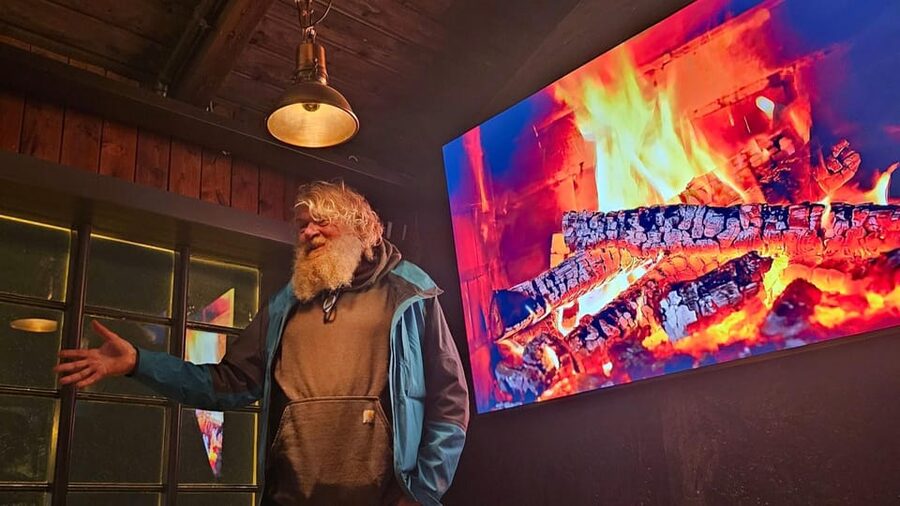
- Storyteller Paul may lead the evening: One particularly praised guide, Paul, is known for talking freely and linking many subjects together.
- A drink is included: Choose wine, beer, soda, coffee, or cocoa before the experience starts.
- English-language and wheelchair accessible: The event is presented in English and is listed as wheelchair accessible.
- Some tales can be scary: Parents should know that a few stories may give young children goosebumps.
Why storytelling matters in Iceland
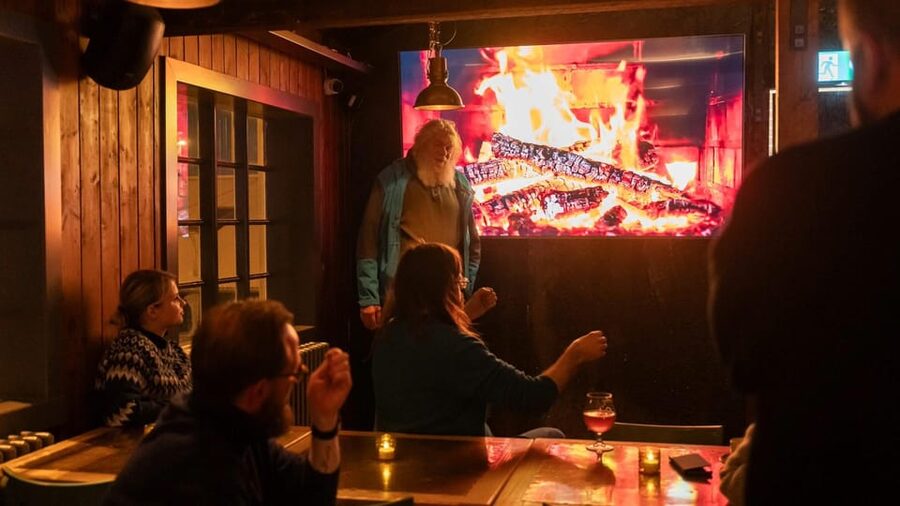
Iceland’s old stories were not just entertainment. In a country shaped by long winters, difficult travel, isolated farms, and a small population, spoken stories helped preserve memory and identity. They carried family histories, local beliefs, moral lessons, and explanations for strange events.
That background gives this experience more purpose than a simple folklore show. You are not only hearing old tales. You are learning why storytelling became such an important part of Icelandic life and why Iceland has produced such a strong literary tradition.
The experience also reaches beyond the medieval sagas. It looks at the creativity of Iceland’s early settlers and connects older customs with modern Icelandic culture. That connection is one of its strongest points. You get a better sense of how the country’s past still shapes its sense of humor, imagination, and national identity.
A few more trips people compare before booking
- Reykjavik: Golden Circle Full-Day Tour with Kerid Crater
★ 4.8 · 24,485 reviews - Reykjavik Food Walk – Local Foodie Adventure in Iceland
★ 5.0 · 18,952 reviews - Iceland: Northern Lights Bus Tour from Reykjavik
★ 4.1 · 11,161 reviews
Entering the baðstofa in downtown Reykjavik
The setting does much of the work. The storytelling takes place in a traditional Icelandic baðstofa, described as a sitting room with a warm, intimate feel. This is a good fit for tales that were traditionally shared indoors, especially during long winter evenings.
You check in at Old Harbour House 30 minutes before the experience begins. That early arrival matters because the storytelling is scheduled to start on time, and the event is short enough that a late arrival could mean missing part of the opening.
Before the stories begin, you receive one drink. Your choices include a glass of wine, beer, soda, coffee, or cocoa. Food is not included, so think of the drink as a welcoming touch rather than a meal or tasting experience.
The room also changes the mood. A large auditorium can make folklore feel distant. A sitting-room setting makes it easier to listen, ask questions, and take part in the conversation. It is especially appealing if you want a cultural activity that feels local rather than polished for mass entertainment.
The opening: setting the scene for Icelandic tales
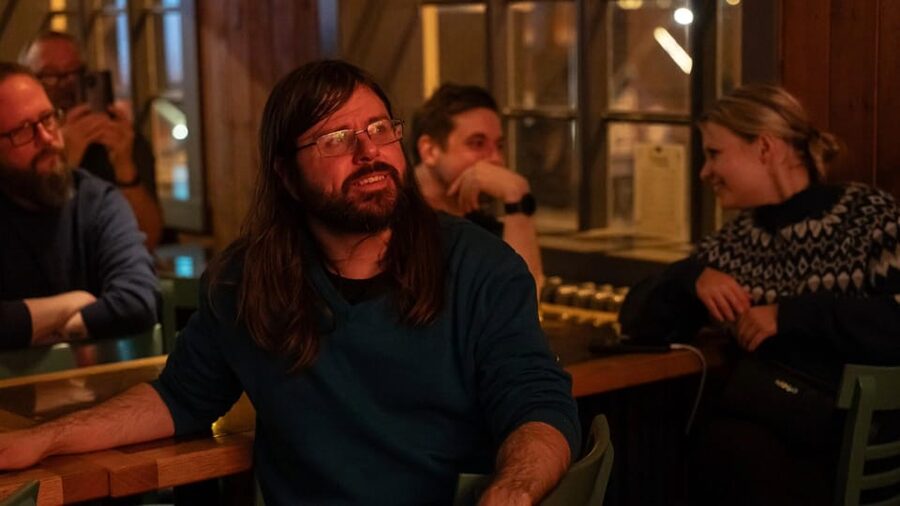
The first part of the experience gives you the background needed to understand the stories. You learn how harsh weather, long winters, and isolation helped shape Iceland’s storytelling traditions.
That context is important. Without it, a tale about spirits, strange creatures, or unusual behavior can seem like a random piece of folklore. With it, you can see how storytelling helped people make sense of a demanding environment and pass ideas from one generation to the next.
The guide also discusses the lives and values of Iceland’s early settlers. This helps place the stories in human terms. You hear about the creativity needed to preserve culture when written material was limited and daily life could be difficult.
The tone is not purely academic. The experience promises fun as well as information, with a few possible goosebumps along the way. Expect a mixture of history, folklore, humor, and darker material rather than a formal lecture.
Twenty stories that carry you across Iceland
The central feature is a set of 20 stories. The available information does not identify every tale in advance, and that is probably part of the appeal. You are not following a fixed sightseeing route. Instead, the guide uses stories to move through different parts of Icelandic culture.
Some tales explain old beliefs. Others show how people understood nature, danger, family, and community. The stories give you a sense of how Icelanders used imagination to deal with uncertainty and how oral traditions preserved ideas over time.
One useful point is that you should not expect to remember every detail. With 20 stories in 90 minutes, the experience moves through a lot of material. The larger impressions matter more than memorizing names or dates. You may leave with a handful of favorite tales, a clearer feel for Icelandic humor, and a better understanding of the country’s creative traditions.
That format also makes this a good choice near the end of your Iceland trip. By then, you have likely seen some of the country and heard many place names. The stories can give those experiences a cultural frame. One attendee described it as a wonderful way to finish a trip, and I can see why: it brings together history, folklore, and modern culture without requiring another long drive.
Another way to fill a day from Reykjavík:
- Reykjavík: South Coast Waterfalls, Black Sand & Glacier Tour
★ 4.8 · 11,030 reviews - Reykjavík: Whale Watching and Marine Life Cruise
★ 4.6 · 9,838 reviews - Reykjavik: Sky Lagoon Entrance Pass With 7-Step Spa Ritual
★ 4.8 · 6,166 reviews - From Reykjavik: Golden Circle, Kerid, & Secret Lagoon Tour
★ 4.8 · 6,009 reviews
Paul and the value of a live guide
A live storyteller is the reason to choose this event over reading a guidebook or watching a recorded program. The guide can adjust the pace, explain an unfamiliar reference, and respond when you ask a question.
Paul is the name associated with one especially well-liked evening. He is described as someone who can talk at length and seems to know something about nearly every subject. That style will suit you if you enjoy a host who follows a question into a wider discussion instead of sticking rigidly to a script.
It may not suit everyone. A talkative guide can make the experience feel less tightly timed, especially if you prefer short explanations and a quick change of topic. The event is designed around conversation and performance, so the personality of the storyteller matters.
The English delivery is another practical advantage. You do not need prior knowledge of Icelandic sagas or folklore to follow the material. The chance to ask questions also helps when a story includes unfamiliar names, customs, or beliefs.
From ancient sagas to modern Iceland
The strongest cultural feature is the link between old and new. Icelandic sagas are often treated as isolated medieval works, but the experience presents them as part of a longer creative tradition.
You learn how old storytelling habits connect with modern Icelandic literature and culture. That gives the tales more meaning. They are not museum pieces sitting behind glass. They are part of an ongoing national conversation about identity, place, family, and imagination.
This section should appeal to readers, writers, history fans, and anyone curious about how a small nation developed such a major literary reputation. You do not need to be a saga expert. The point is to show how stories survive, change, and remain useful.
I also like that the experience does not present Icelandic culture as only grand scenery and dramatic weather. Reykjavik has plenty of outdoor attractions, but an evening spent listening to local tales shows another side of the country. It focuses on memory and creativity rather than waterfalls, volcanoes, or northern lights.
The atmosphere: intimate, informal, and occasionally eerie
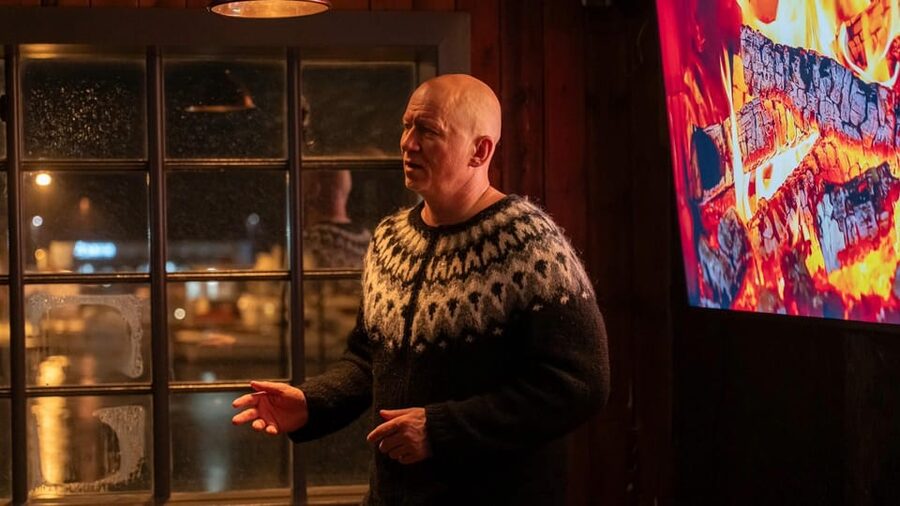
The baðstofa setting supports a friendly atmosphere. You have a drink in hand, a live guide in front of you, and a small-room format that allows questions and discussion.
The mood can shift. One moment may be funny, and the next may bring a darker legend or an unsettling detail. The event specifically warns that some stories can be scary for young children. Parents should use their judgment, especially if a child is sensitive to folklore about fear, spirits, or danger.
For adults and older children, that darker edge is part of the fun. Icelandic folklore would lose some of its character if every story were softened into a cheerful bedtime tale. The promise of a few goosebumps makes the event more memorable than a simple cultural talk.
Still, the experience is not a theatrical horror show. The focus remains on storytelling and cultural understanding. If you want a polished stage production with actors, sets, and special effects, choose a different evening activity.
Who will get the most from this experience
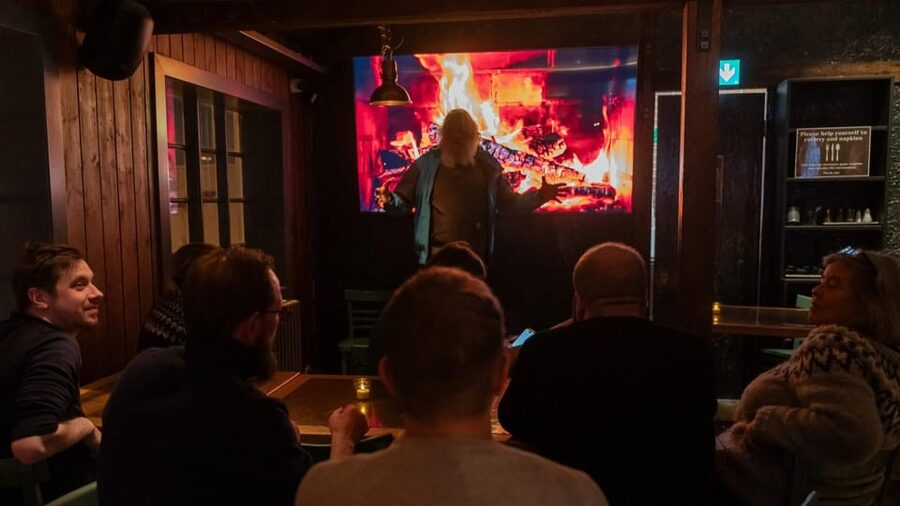
I would recommend The Icelandic Storyteller to you if you enjoy:
- History explained through personal stories rather than dates alone
- Folklore, legends, and literary traditions
- Small, indoor cultural activities in Reykjavik
- Meeting a live guide and asking questions
- A slower evening after a busy day of sightseeing
- Learning how old customs connect with modern culture
It is also a practical option in bad weather. You do not need a bus, hiking gear, or a full free day. The 90-minute duration leaves room for dinner or another evening plan.
Families should consider the age of their children. The activity is wheelchair accessible, but the available details do not explain the precise room layout or restroom arrangements. If those points are important for your visit, ask the provider before booking.
You may want to skip it if your main goal is outdoor adventure, food, music, or a fast-moving show. Food of any kind is not included, and the included drink is limited to one choice before the experience. Plan a meal separately.
Is $66 a fair price?
At $66 per person, this is not a bargain-priced bar story or a free cultural talk. You are paying for a hosted 90-minute event in a special setting, with a drink included and time for questions.
The value depends on what you want from Reykjavik. For a visitor who wants a distinct cultural experience, the price can make sense. You are getting more than a list of facts because the guide interprets the stories and explains their place in Icelandic life.
The value is weaker if you measure every activity by the amount of sightseeing it provides. There are no transport segments, major landmarks, meals, or outdoor stops. You are buying atmosphere, interpretation, and access to a live storyteller.
I would compare it with the cost of an evening performance or guided cultural talk in Reykjavik. If you enjoy literature and folklore, the experience offers a focused way to spend part of an evening. If you are traveling on a tight budget, you may prefer to explore downtown independently and use free museum or public spaces instead.
A drink helps, but it should not decide the booking. The real question is simple: do you want to spend 90 minutes listening to Icelandic stories in an intimate room?
Timing and planning tips for your evening
Allow extra time before the official start. You are asked to check in at Old Harbour House 30 minutes early, so do not plan to arrive just as the storytelling begins.
Because the event lasts 1.5 hours, it fits neatly into a Reykjavik evening. You can schedule dinner before or after, but remember that no food is served as part of the experience. The drink options include wine, beer, soda, coffee, and cocoa, so both alcoholic and nonalcoholic choices are available.
The activity is offered in English. That makes it straightforward for English-speaking visitors, even if you have no background in Icelandic literature.
The provider allows cancellation up to 24 hours before the start for a full refund. You can also reserve now and pay later, which may help if you are building an Iceland schedule around weather and changing plans.
What the praise gets right, and where expectations matter
The most consistent strength is the guide’s storytelling. The experience is praised for being informative, entertaining, and able to connect Icelandic history and folklore with present-day culture.
Another strong point is the sense of discovery. You may not remember all 20 stories, but the range gives you many chances to find one that stays with you. One person found the material so extensive that returning for another session would make sense. That is a useful clue: the event offers breadth, not a tightly focused single legend.
The one caution is attendance and atmosphere. One evening felt quieter than expected because the room was not as busy as anticipated. A smaller crowd can make the event more personal, but it may also feel less like a major performance.
Go in expecting an intimate cultural gathering, not a packed show. That expectation will help you appreciate the format.
Should you book The Icelandic Storyteller?
Book it if you want an easy, thoughtful Reykjavik activity that gives you cultural context you will not get from sightseeing alone. The baðstofa setting, live English storytelling, 20 tales, and links between old folklore and modern Iceland make it a strong choice for curious adults, readers, history fans, and families with older children.
Skip it if you need food, action, scenery, or a carefully timed theatrical production. The price is reasonable for a personal cultural event, but only if storytelling is something you genuinely enjoy.
My practical advice is to place it on an evening when you want to slow down. Arrive early at Old Harbour House, eat separately, choose your drink, and let the guide set the pace. If Paul is leading, expect a generous amount of conversation and a wide range of cultural knowledge. That is precisely what makes this experience memorable.
FAQ
Where does The Icelandic Storyteller take place?
The experience takes place in a traditional Icelandic baðstofa, or sitting room, in downtown Reykjavik. Check-in is at Old Harbour House.
How long does The Icelandic Storyteller last?
The experience lasts 1.5 hours.
How much does it cost?
The listed price is $66 per person.
What language is the experience offered in?
The live storytelling is offered in English.
Is a drink included?
Yes. You can choose wine, beer, soda, coffee, or cocoa before the experience starts.
Is food included?
No. Food of any kind is not included.
How early should I arrive?
You should check in at Old Harbour House 30 minutes before the experience starts so the event can begin on time.
Is the experience wheelchair accessible?
Yes. The activity is listed as wheelchair accessible.
Are the stories suitable for young children?
Some stories can be a little scary for young children. Parents should consider their child’s sensitivity to frightening folklore.
Can I cancel for a refund?
Yes. You can cancel up to 24 hours in advance for a full refund. You can also reserve now and pay later.
Fresh around Reykjavík
- Tipsy in Reykjavik: Drink with a Viking (Food, Beer, Music)★ 5.0 · 3 reviews
- Exclusive Snaefellsnes Peninsula Private Day Tour★ 4.0 · 3 reviews
- Sólheimajökull Glacier Hiking Tour★ 3.7 · 3 reviews
- Northern Lights 3 Hours Private tour★ 4.5 · 3 reviews
- Northern Lights Private Tour from Reykjavik★ 5.0 · 3 reviews
- Private Superjeep Tour To Landmannalaugar and Hekla Volcano★ 5.0 · 3 reviews
- From Reykjavik: Private South Coast Tour in Iceland★ 4.3 · 3 reviews
- Iceland’s south coast G spots★ 5.0 · 3 reviews
Reykjavík Tours, compared.
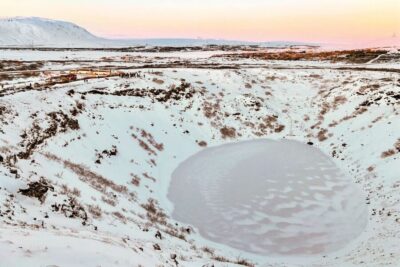
Golden Circle Full-Day Tour with Kerid Crater
Read our review →
Reykjavik Food Walk – Local Foodie Adventure in Iceland
Read our review →
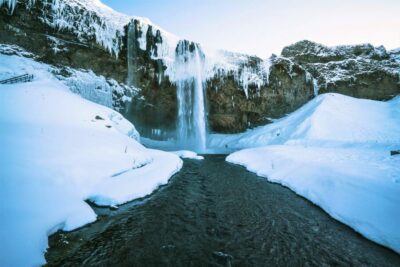
South Coast Waterfalls, Black Sand & Glacier Tour
Read our review →
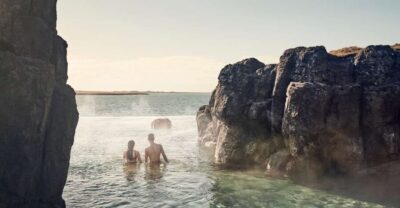
Sky Lagoon Entrance Pass With 7-Step Spa Ritual
Read our review →