
Reviewed · WHALE WATCHING
Whale Watching in Husavik
Whales make Iceland’s north unforgettable. This three-hour trip explores Skjálfandi Bay aboard a traditional oak boat, where humpback and minke whales, dolphins, porpoises, and seabirds may appear close to the surface. I like the old-fashioned boat and the crew’s clear respect for wildlife. I also like the hot cocoa and sweet treat at the end, a small comfort that matters after several hours in Icelandic wind.
The main catch is simple: nature sets the schedule. Some outings produce several whales, dolphins, and even dramatic breaches. Others offer only a distant glimpse, or no whale sighting at all. Cold, rain, wind, and rolling seas can also turn a pleasant trip into a test of patience and stomach strength.
In This Review
- Key points before you book
- Setting out from Húsavík and Skjálfandi Bay
- Why the oak boat changes the experience
- The first stretch of water: waiting for the bay to reveal itself
- Humpbacks, dolphins, and the value of patient searching
- Warm suits, hot cocoa, and what to wear
- Sea conditions and the uncomfortable side of whale watching
- How the guides add value between sightings
- Price and overall value at $113
- Combining the boat trip with Húsavík’s Whale Museum
- Who should book this experience?
- Should you book the Húsavík whale-watching tour?
- FAQ
- Where does the whale-watching tour start?
- Where does the tour end?
- How long does the tour last?
- What animals might I see?
- Are whale sightings guaranteed?
- What kind of boat is used?
- Is warm clothing provided?
- Should I bring extra clothing?
- Is the tour suitable for children?
- What happens if bad weather cancels the tour?
Key points before you book
- Traditional oak boat: You explore the bay in a boat with character rather than on a sleek, anonymous vessel.
- Three hours on the water: That gives the crew time to reach regular whale-watching areas and wait for sightings.
- Humpbacks are the main attraction: Minke whales, white-beaked dolphins, harbor porpoises, and seabirds are also possible.
- Wildlife comes first: The crew keeps a respectful distance and explains animal behavior as you watch.
- Warm clothing is provided: A full-body suit or warm layer helps, but you should still bring proper footwear and layers.
- Húsavík Whale Museum discount: Your tour includes 20 percent off admission, useful if you want more context afterward.
Setting out from Húsavík and Skjálfandi Bay
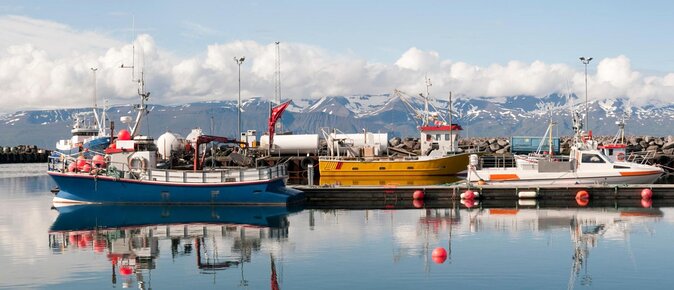
The tour starts at North Sailing in Húsavík, at Garðarsbraut in the town’s 640 postal area. The listing identifies the experience with Akureyri, but the actual departure point is Húsavík, so pay close attention to your day’s route and allow enough time to reach the harbor.
Húsavík is widely associated with whale watching for good reason. Skjálfandi Bay gives boats access to open water and known feeding areas without requiring an all-day expedition. The three-hour format is long enough to search several parts of the bay, yet short enough to fit into a broader north Iceland itinerary.
At check-in, you can expect a straightforward start, followed by safety information and an explanation of how sightings work. The crew then helps you prepare for the conditions. The boat carries up to 100 people, which is a sizable group, though the traditional vessel and open-air viewing make the outing feel more like a working sea excursion than a theme-park ride.
The trip ends back at the same meeting point. That makes planning easier, especially if you are combining the cruise with the Whale Museum or time in Húsavík.
More Whale Watching Tours in Akureyri
- Akureyri: 3-Hour Classic Whale Watching Tour by Ship
★ 4.6 · 3,000 reviews - Whale Watching from Downtown Akureyri
★ 4.5 · 971 reviews - Árskógssandur: Whale-Watching Boat Trip
★ 4.8 · 695 reviews
Why the oak boat changes the experience
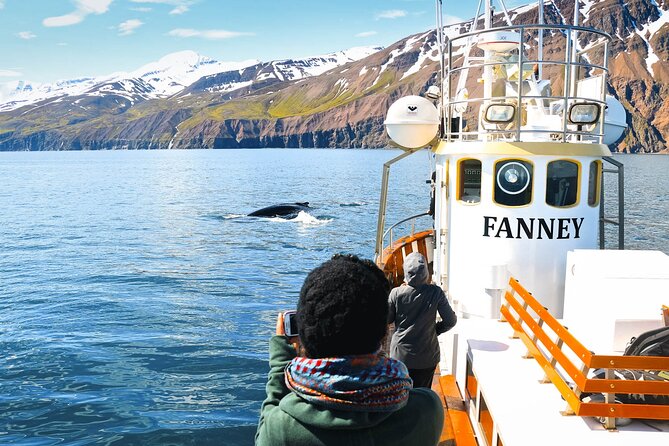
The traditional oak boat is one of the strongest reasons to choose this outing. It gives you a direct connection to the sea, with the fresh ocean air and changing weather right in front of you. You are not sealed away behind large panes of glass, so you feel every gust and see the bay without a window between you and the water.
That also creates the chief comfort issue. Open-air viewing is wonderful on a calm, sunny day. In rain or strong wind, it can feel exposed. One particularly difficult experience involved wet, old, and damaged rain gear being put on in the rain while already aboard. The operator responded by saying that equipment storage and maintenance would be checked, but you should still arrive prepared rather than relying entirely on borrowed clothing.
The boat is described as comfortable by several people, but comfort is not the same as luxury. One outing felt cramped and slow to a passenger who became seasick, especially during the long return. If you are sensitive to motion, take that possibility seriously. The water can roll, and there is no promise that the sea will stay smooth.
The first stretch of water: waiting for the bay to reveal itself
Whale watching is less like visiting a set attraction and more like reading a moving puzzle. The crew scans the surface, watches for blows and fins, and heads toward areas where activity may be developing. You may spend quiet stretches looking at empty water before the bay suddenly comes alive.
That waiting time is where the guide matters most. Guides explain how to spot a whale, how to tell species apart, and what different surface behaviors mean. They also fill the gaps with information about local marine life and the surrounding area. Guides such as Laura have been praised for giving steady directions throughout the trip, while other crew members have been noted for their clear explanations and obvious care for whales.
You might see a humpback surface several times in one area, or follow one as it moves through the bay. On an especially successful outing, six whales were seen, including two pairs traveling together. Another produced at least ten whales, dolphins, and a whale breaching. A humpback performing backflips and side flips for nearly 45 minutes would be an extraordinary stroke of luck, not a normal promise of the tour.
The common species are humpback whales, minke whales, white-beaked dolphins, and porpoises. Blue whales and fin whales can appear at the beginning of summer, but they should be treated as a possibility rather than an expectation. Puffins and other seabirds may add color to the trip.
Humpbacks, dolphins, and the value of patient searching
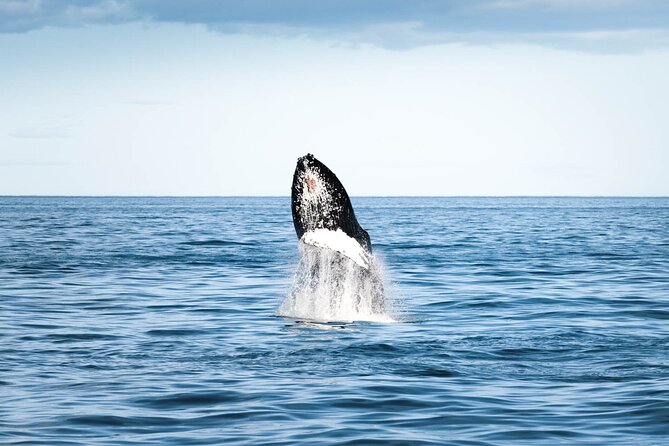
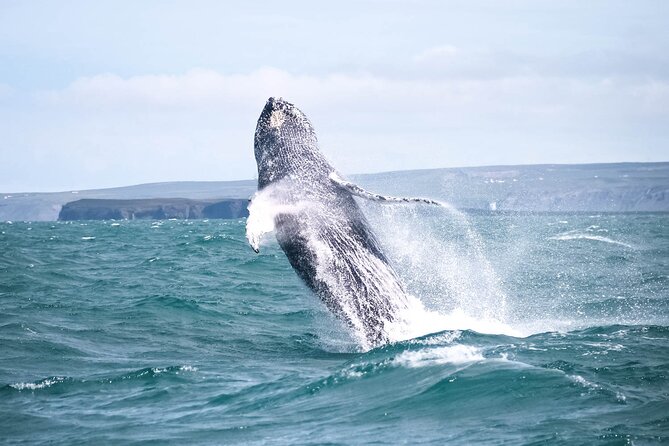
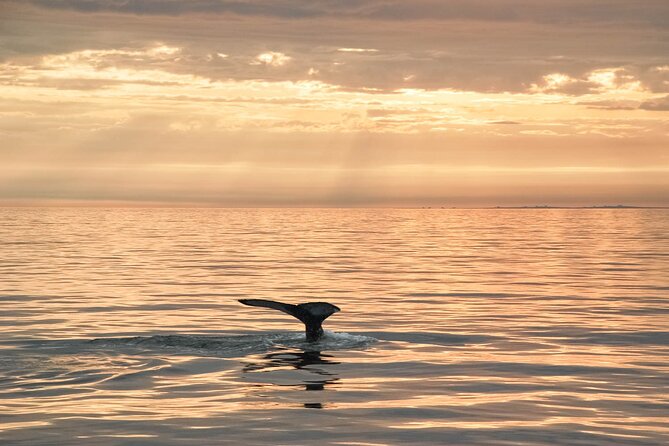
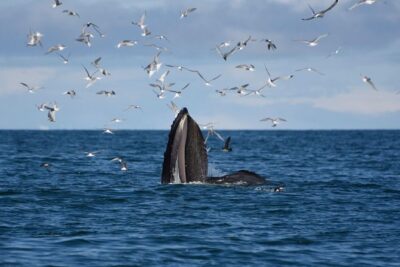
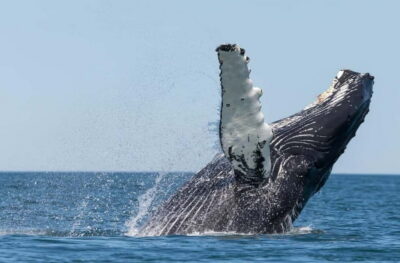
Humpbacks are often the star of the show because their large bodies and distinctive flukes are easier to recognize. They may surface repeatedly, slap the water, feed, or breach. A whale that appears only four times can still create a thrilling outing, especially when you know where to look and understand what the guide is pointing out.
Minke whales are smaller and can be harder to identify at a distance. White-beaked dolphins may move in groups, while harbor porpoises are less dramatic but rewarding when they surface near the boat. A successful trip can include several kinds of animals, but there is no fixed sequence of sightings.
The crew’s approach to wildlife is another strong point. The guides explain that the animals are not to be distressed or crowded, and the boat may wait rather than chase. That means you may not get a close pass every time. It also means the experience feels more responsible than a frantic race from one sighting to the next.
Some outings have produced whales at close range, including one report of young males appearing within a few meters. Treat that as fortunate timing. The boat’s aim is to observe animals in their natural setting, not force a performance.
Another way to fill a day from Akureyri:
- From Akureyri: Myvatn Lake, Craters, & Waterfall Tour
★ 4.6 · 793 reviews - Big Whales & Puffins RIB boat tour from Húsavík
★ 5.0 · 501 reviews - Akureyri: 2-Hour Whale Watching Express by RIB Speedboat
★ 4.8 · 489 reviews - Lake Myvatn, Hot-Springs & Godafoss Waterfall Tour from Akureyri
★ 4.5 · 478 reviews
Warm suits, hot cocoa, and what to wear
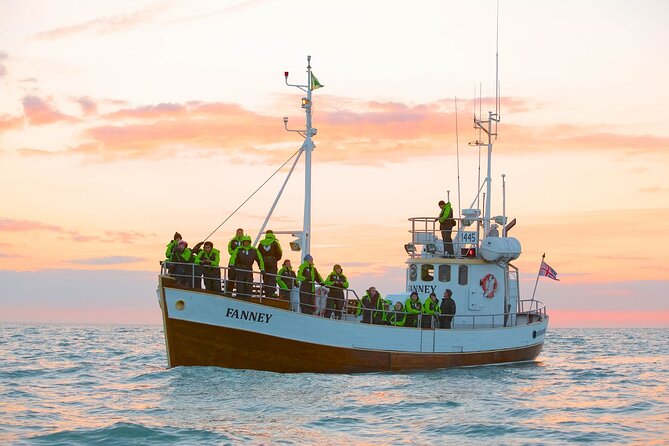
Icelandic weather can change quickly, and the bay often feels colder than the harbor. The operator provides a warm layer or full-body suit, along with rain protection. On several outings, this gear made the difference between enjoying the cruise and simply enduring it.
Still, you should dress as if the provided equipment is backup, not your entire plan. Wear warm layers underneath, and bring sturdy waterproof footwear. A Spanish-speaking passenger specifically advised waterproof boots to prevent wet feet on rainy or cold days. That is excellent advice.
The gear may not always be new. Some supplied overalls and raincoats have been described as worn, with broken buttons, tears, or damp storage. Conditions may have improved, but you should prepare for variation. Gloves, a warm hat, and dry socks are sensible additions if you have room for them.
At the end, hot cocoa and a bun or other sweet treat are served. This is a modest perk, but after three hours in cold air it feels well timed. It also gives the return portion a pleasant finish, particularly on a day when sightings were limited.
Sea conditions and the uncomfortable side of whale watching
The biggest practical warning is seasickness. The boat may feel slow while traveling toward the viewing area, then the return can seem even longer if the water is rough. One passenger reported holding the railing for much of the ride and suffering bruises. Another described many people becoming sick while the boat rolled.
That does not mean every trip will be rough. Calm weather can produce a beautiful morning with little wind, and some outings have been warm enough that the provided suit was all guests needed. The operator can cancel for poor weather, offering another date or a full refund, but acceptable sailing weather does not guarantee a perfectly smooth sea.
If you know you are prone to motion sickness, consider speaking with a medical professional before your trip about suitable preparation. Choose a day when you can keep your schedule flexible, since rescheduling may be necessary if conditions are poor.
The group size can reach 100 people. That is worth considering if you want a quiet, small-boat encounter. The crew’s work becomes important in a larger group because clear directions help everyone know where to look, but the best viewing position may be contested when a whale surfaces.
How the guides add value between sightings
A good guide turns empty water into part of the experience. Instead of simply announcing a fin, the crew explains what you are seeing and how to distinguish one species from another. You may learn to watch for a blow, a curved back, a fluke, or the rhythm of repeated surfacing.
The strongest feedback centers on the staff. The check-in process has been described as easy, and the crew as friendly, helpful, and passionate about marine life. Several guides have also been praised for speaking about whale behavior and conservation with real feeling, not just reciting facts.
This matters when sightings are scarce. One three-star outing saw only a single whale, but the passenger still praised the guide and service. Another saw limited whale activity but enjoyed the ride and later found the Whale Museum especially worthwhile. You cannot control the number of animals, but a good explanation keeps the trip from becoming three hours of staring at the horizon.
Price and overall value at $113
At $113 per person, this is not a casual harbor ride. The price covers roughly three hours at sea, a guide, warm protective clothing, hot cocoa, a snack, and access to a crew familiar with the bay. The 20 percent Whale Museum discount adds some extra value if you plan to visit the museum afterward.
The value depends heavily on your expectations. If you judge the trip only by the number of whales photographed, you may feel disappointed on a quiet day. If you value time on the bay, marine education, responsible viewing, and the possibility of a memorable sighting, the price is easier to justify.
The best outings can deliver several whales, dolphins, porpoises, and seabirds. A breach or repeated close surfacing may become one of your strongest Iceland memories. But you are paying for the search and the chance, not for a guaranteed show.
The operator has a 4.6 rating, with 92 percent of people recommending the experience. That fits the pattern here: high praise for the crew, explanations, wildlife ethics, and successful sightings, balanced by a smaller set of complaints about cold, rough seas, limited viewing, and worn gear.
Combining the boat trip with Húsavík’s Whale Museum
The Whale Museum is a natural companion to this tour. The 20 percent admission discount gives you a reason to visit after the cruise, especially if the guide’s explanations leave you wanting more detail about species and behavior.
The museum can also help rescue a day when nature is uncooperative. If you see only one whale, or none, you still have a way to learn about Icelandic marine life rather than ending the day with only a cold boat ride. If your trip produces several excellent sightings, the museum provides useful context while the experience is still fresh.
Because both the boat and museum are in Húsavík, this pairing makes practical sense. Just remember that the cruise returns to its original meeting point, and the tour itself does not include transportation from Akureyri.
Who should book this experience?
I would recommend this trip to anyone who has never seen a whale in the wild, families with older children, wildlife fans, and people who enjoy a hands-on outdoor experience. Children must be accompanied by an adult, and most people can participate. Service animals are allowed.
It also suits you if you appreciate guides who explain animal behavior and conservation rather than simply pointing out fins. The crew’s careful approach is a strong reason to choose this tour, particularly if responsible wildlife viewing matters to you.
I would be more cautious if you dislike cold, open water, or uncertain results. The trip may be rainy, windy, slow, or seasick-making. It is not the right choice if you need a guaranteed whale sighting or a polished, fully enclosed ride.
Book at least several weeks ahead if your schedule is fixed. The tour averages 42 days of advance booking, which suggests popular dates can fill early. Free cancellation is available until 24 hours before the start time. If bad weather cancels the outing, you can accept another date or receive a full refund.
Should you book the Húsavík whale-watching tour?
Yes, if you can accept the basic bargain of wildlife watching: you pay for time in the right place, not a guaranteed performance. The traditional oak boat, strong crew, ethical viewing practices, and chance of seeing humpbacks, dolphins, porpoises, and seabirds make this a worthwhile north Iceland experience.
Pack waterproof boots, warm layers, and patience. If the sea is calm and the whales cooperate, you may see repeated surfacing, group activity, or even a breach. If the weather turns rough and the animals stay hidden, the outing will be harder to love, but the guide, cocoa, museum discount, and flexible weather cancellation help soften the risk.
FAQ
Where does the whale-watching tour start?
It starts at North Sailing in Húsavík, at Garðarsbraut, 640 Húsavík, Iceland.
Where does the tour end?
The activity ends back at the same meeting point in Húsavík.
How long does the tour last?
The tour lasts approximately three hours.
What animals might I see?
Possible sightings include humpback whales, minke whales, white-beaked dolphins, porpoises, and seabirds. Blue whales and fin whales may appear at the beginning of summer.
Are whale sightings guaranteed?
No. Sightings depend on nature and can vary widely from one outing to another.
What kind of boat is used?
The tour travels aboard a traditional oak boat.
Is warm clothing provided?
Yes. Warm protective clothing, including a warm layer or full-body suit, is provided for cold and windy conditions.
Should I bring extra clothing?
Yes. Warm layers and waterproof footwear are strongly advisable, especially in rain or cold weather.
Is the tour suitable for children?
Children must be accompanied by an adult. Most people can participate.
What happens if bad weather cancels the tour?
You will be offered a different date or a full refund if the experience is canceled because of poor weather.
Fresh around Akureyri
- Goðafoss Waterfall, Santa Claus House and Forest Lagoon★ 5.0 · 3 reviews
- German-speaking shore excursion Góðafoss & Mývatn from Akureyri in a small group★ 5.0 · 3 reviews
- From Akureyri: Goðafoss Express Minibus Tour★ 4.3 · 3 reviews
- Northern Lights Tour from Husavik★ 3.5 · 3 reviews
- Northern Lights Photography from Akureyri★ 5.0 · 3 reviews
- From Akureyri: Private Dettifoss Waterfall Jeep Tour★ 5.0 · 3 reviews
- Iceland: See & Experience it ALL in 9 Days, 1st Class Custom Tours★ 5.0 · 3 reviews
- Goðafoss and Húsavík with a stop at the Geosea Baths★ 5.0 · 3 reviews
Whale Watching, compared.
Whale Watching Cruise on the Amelia Rose Yacht
Read our review →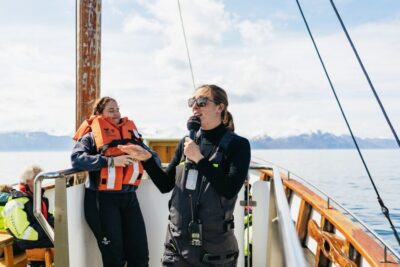
The Original Classic Whale Watching from Reykjavik
Read our review →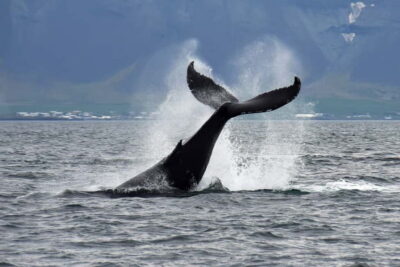
Traditional Whale Watching by Local Family Company
Read our review →
Browse the lists this tour appears in