
Reviewed · VOLCANO & LAVA TOURS
From Reykjavik: New Volcanic Area Helicopter Tour
Iceland looks otherworldly from the air. This 40-minute flight from Reykjavik takes you over the Reykjanes Peninsula, where recent eruptions have left fresh lava fields, black craters, and broad volcanic scars. I especially like the small six-person helicopter, which keeps the experience personal, and the chance to see several eruption sites in one short outing.
The pilots also earn strong praise for smooth flying, clear explanations, and making sure passengers on both sides get a good view. The main drawback is simple: at $577 per person, this is a major splurge for a flight that may last closer to 30 minutes, and visible flowing lava is never guaranteed.
In This Review
- Key points before you book
- Why the Reykjanes Peninsula is worth seeing from above
- Starting behind Hotel Reykjavik Natura
- From Reykjavik to the volcanic zone
- Litli Hrutur and Geldingadalir
- Fagradalsfjall gets the longest look
- Grindavik and the wider eruption area
- The possible lava-field landing
- The return to Reykjavik
- What the $577 price really buys you
- Weather, safety, and practical limits
- Who will enjoy this flight most
- Should you book the Reykjanes helicopter tour?
- FAQ
- Where does the helicopter tour start?
- How long does the tour last?
- How many people can join the helicopter flight?
- What volcanoes and areas does the route visit?
- Will I definitely see flowing lava?
- Can the helicopter land near the lava fields?
- Is the flight dependent on weather?
- What happens if the flight cannot operate?
- What languages are available?
- Is there a minimum number of passengers?
Key points before you book
- Fresh volcanic ground from above: You fly over Litli Hrutur, Geldingadalir, Fagradalsfjall, and the wider Reykjanes eruption zone.
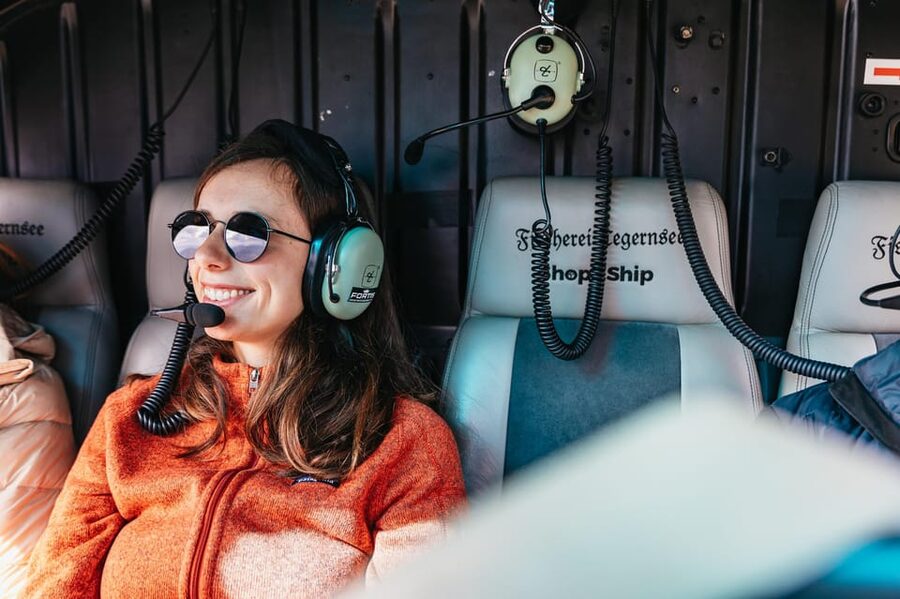
- A six-person maximum: The helicopter carries only five or six passengers, so the ride feels more focused than a large sightseeing flight.
- A landing may be possible: In suitable conditions, the pilot may set down near an older lava field so you can walk on newly formed volcanic ground.
- Weather controls the schedule: Wind, cloud, visibility, and official safety rules can delay, cancel, or reschedule the flight.
- Lava is not promised: The crater may be quiet during your visit, even when the volcanic area remains visually impressive.
- Excellent pilot feedback: Pilots including Laura, Tamas, Tashi, Peter, Daniel, and Juha are praised for calm handling and useful commentary.
Why the Reykjanes Peninsula is worth seeing from above
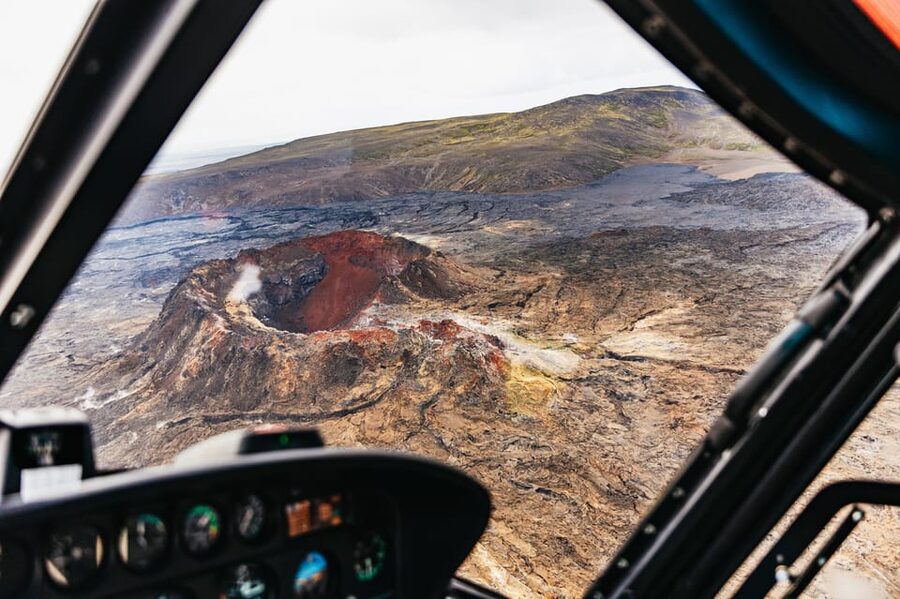
The Reykjanes Peninsula is not a single volcano. It is a broad volcanic region southwest of Reykjavik, marked by fissures, cones, lava flows, and new craters. Recent eruptions around Fagradalsfjall, Geldingadalir, Litli Hrutur, and Grindavik have changed the area in ways that are hard to grasp from ground level.
From a road, you see one ridge or one lava field at a time. From a helicopter, you can follow the dark paths of old lava and understand how the eruption sites fit together. The view gives you scale: small-looking craters become huge scars, and a lava stream becomes part of a much wider field spreading across the peninsula.
You may also see Mount Esja across Faxafloi Bay as you leave Reykjavik. That contrast is one of the pleasures of the flight. The city, the sea, the mountain, and the rough volcanic ground all appear within the same short trip.
The area has experienced 12 eruptions in the four years described for this activity. That does not mean an eruption will be happening when you fly. Icelandic volcanoes do not follow a sightseeing timetable, and the crater may be smoking, cooling, or completely quiet.
More Volcano and Lava Tours:
- Reykjavik: Golden Circle Full-Day Tour with Kerid Crater
★ 4.8 · 24,485 reviews - Small-Group Golden Circle, Blue Lagoon with Ticket & Kerid Crater
★ 5.0 · 5,631 reviews - Reykjavik: Golden Circle, Kerid Crater, & Blue Lagoon Tour
★ 4.9 · 4,351 reviews
Starting behind Hotel Reykjavik Natura
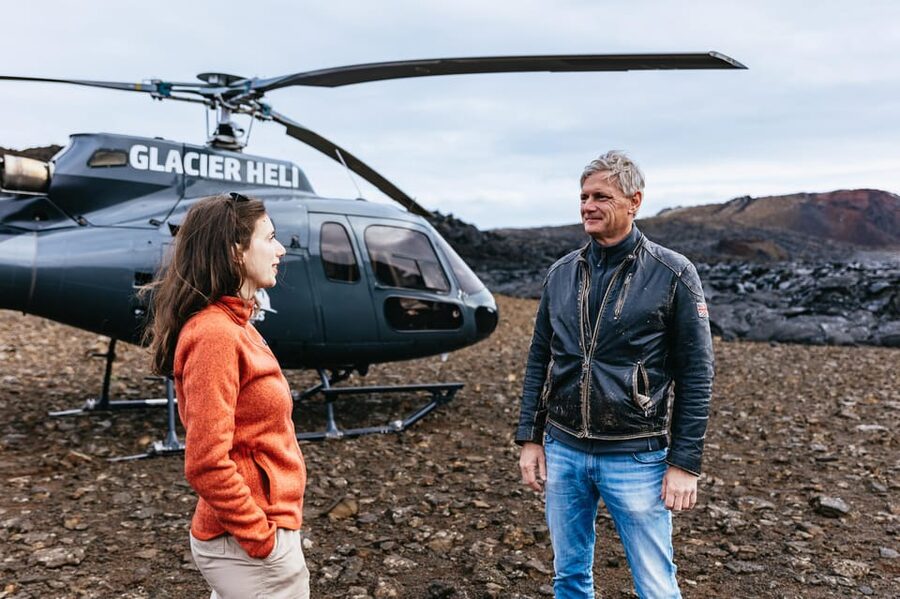
The meeting point is Ace FBO Reykjavik, in the ACE FBO building just behind Hotel Reykjavik Natura. You return to the same place after the flight.
This location is useful if you are staying near the airport area or in central Reykjavik. One passenger reported walking from Harpa Concert Hall in roughly 40 minutes, though you should allow extra time if the weather is poor or you are carrying luggage. The activity information does not include hotel pickup as a standard feature, so plan your own way to the FBO.
The operation is designed for a small group of up to six people. That matters in a helicopter. You are not being moved through a large crowd, and the pilot can make several passes around the volcanic area so passengers on both sides get a look.
The aircraft is described as a modern five- or six-seater. A pilot gives the safety briefing and provides English commentary, with an English audio guide also included. Some flights have included complimentary coffee, tea, and water while passengers waited, but I would not treat those as the main reason to book.
From Reykjavik to the volcanic zone
The flight begins with about five minutes over the Capital Region of Iceland. This short opening gives you a quick aerial view of Reykjavik and the surrounding area before the helicopter heads toward Reykjanes.
You will not spend long over the city, so this is not a full Reykjavik sightseeing flight. The city section is more useful as a transition, especially when Mount Esja and Faxafloi Bay are visible. If your main goal is architecture, downtown views, or the coastline, a dedicated city flight would offer more time for those subjects.
The appeal here is the change in scenery. Reykjavik quickly gives way to open ground and volcanic features. The helicopter makes that change feel immediate.
Litli Hrutur and Geldingadalir
The first volcanic stops are Litli Hrutur and Geldingadalir. These are sightseeing points rather than scheduled stops on the ground, and the helicopter spends roughly five minutes around each area.
Litli Hrutur became widely known for its recent eruption and is a key reason many people choose this flight. If activity is visible, you might see a glowing crater, smoke, or lava moving through the black ground. If the eruption has ended, the crater and cooled flows still show how recently the area changed.
Geldingadalir adds another layer to the story. Seeing more than one eruption site helps you compare the shapes and ages of the volcanic ground. Instead of viewing one isolated crater, you get a short lesson in how the Reykjanes area has developed over several eruptions.
Five minutes can feel brief, especially if the crater is active. The pilot may circle or approach from several directions, which helps, but you should be ready with your camera before reaching the site. Keep your attention on the view too. A helicopter window is not the same as a tripod, and the best image may last only a moment.
A few more trips people compare before booking
- 1-Hour Helicopter Tour in Iceland: The Geothermal Tour
★ 4.9 · 263 reviews - Helicopter Tour with Mountain Summit Landing from Reykjavik
★ 5.0 · 243 reviews - Iceland Volcanic Eruption Area Helicopter Tour from Reykjavík
★ 4.5 · 196 reviews - Helicopter Flight Over Geothermal Landscapes from Reykjavik
★ 5.0 · 154 reviews
Fagradalsfjall gets the longest look
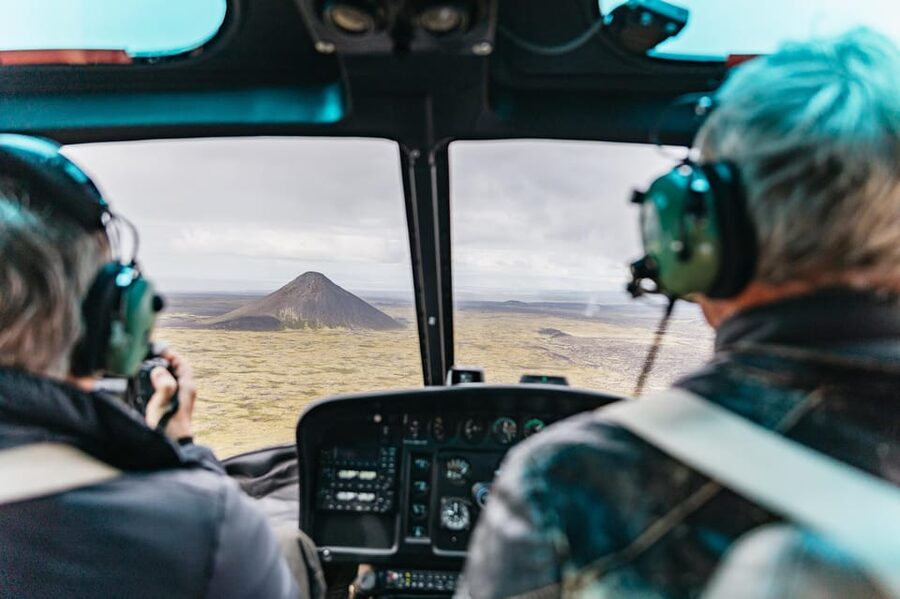
The itinerary allows about 10 minutes of sightseeing around Fagradalsfjall Volcano. This is the longest scheduled look at an individual volcanic area, and it gives the pilot more time to circle, change angles, and point out the craters and lava paths.
Fagradalsfjall is valuable even when no lava is moving. The older flows, dark ridges, and fresh cones make the area look almost unreal from above. You can see how the lava spread and where separate eruption sites sit in relation to one another.
Pilots have repeatedly made extra loops so everyone can see. That is important because helicopter seating affects your first view. You should not assume that one side has the best seat for the entire flight. A thoughtful pilot can bank left and right or circle the feature to give each passenger a fair chance.
Laura is praised several times for friendly commentary and calm flying. Tamas is also singled out for checking that everyone was happy with the view during the flight. Those small habits matter. You are paying for access, but you are also paying for a pilot who manages the experience well.
Grindavik and the wider eruption area
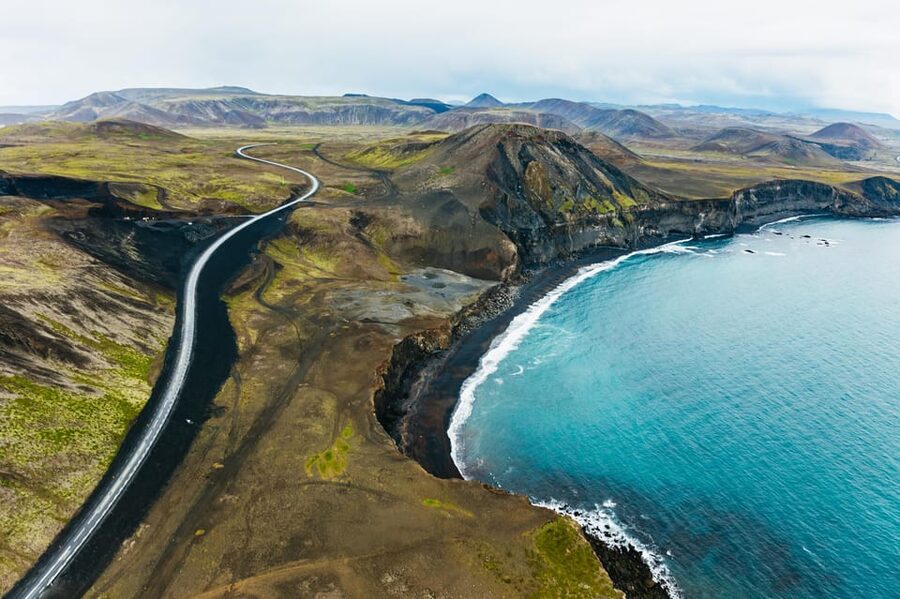
The flight then spends roughly 10 minutes around Grindavik. This section gives you a broader view of the volcanic region and the ground affected by recent activity.
Grindavik is not only a scenic backdrop. Recent eruptions and volcanic hazards have affected the town and surrounding area, and the aerial view makes the scale of that disruption easier to understand. You can look down on the volcanic features while remembering that these are living forces, not simply dramatic scenery.
The flight may bring you near a simmering crater or an active fissure, but official safety rules determine how close the helicopter can go. One flight described seeing red-hot magma, smoke, color, and lava moving toward the sea. Another took place shortly after an eruption and offered an especially close view of the new activity.
Those conditions are unusual and cannot be promised. If the volcano is quiet, you may still see craters and lava fields, but you should not book this expecting a guaranteed eruption show.
The possible lava-field landing
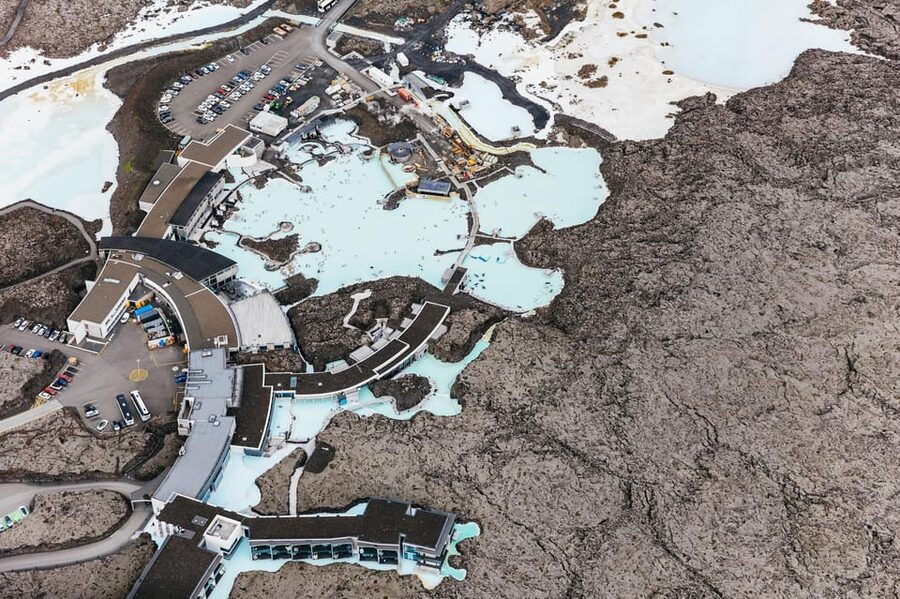
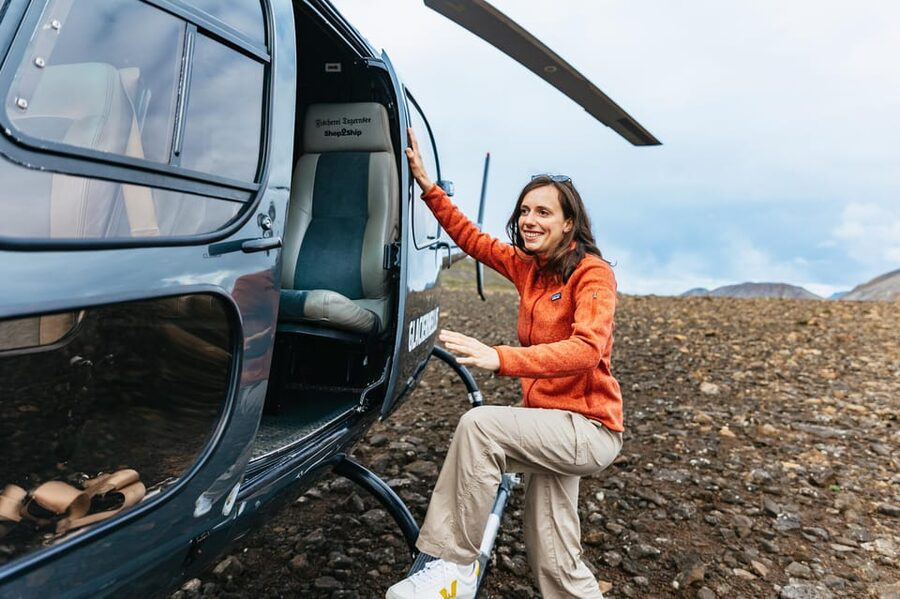
A landing on or near an older lava field is one of the most memorable possibilities on this experience. Several flights have included a short touchdown, allowing passengers to get out and walk on recently formed volcanic ground.
This is not listed as a guaranteed part of every flight. Weather, ground conditions, volcanic safety rules, and the day’s operational plan all matter. Some passengers were especially pleased when a landing helped make up for a delay or a changed flight plan.
Walking on fresh lava gives you something the aerial view cannot. You can look closely at the rough surface and feel the scale of the eruption under your feet. It also changes the pace of the outing, breaking up the flight with a few minutes on the ground.
Do not count on this when deciding if the price is worthwhile. Think of it as a bonus. The core product is the helicopter flight, and a safe pilot may skip the landing even when the view is excellent.
The return to Reykjavik
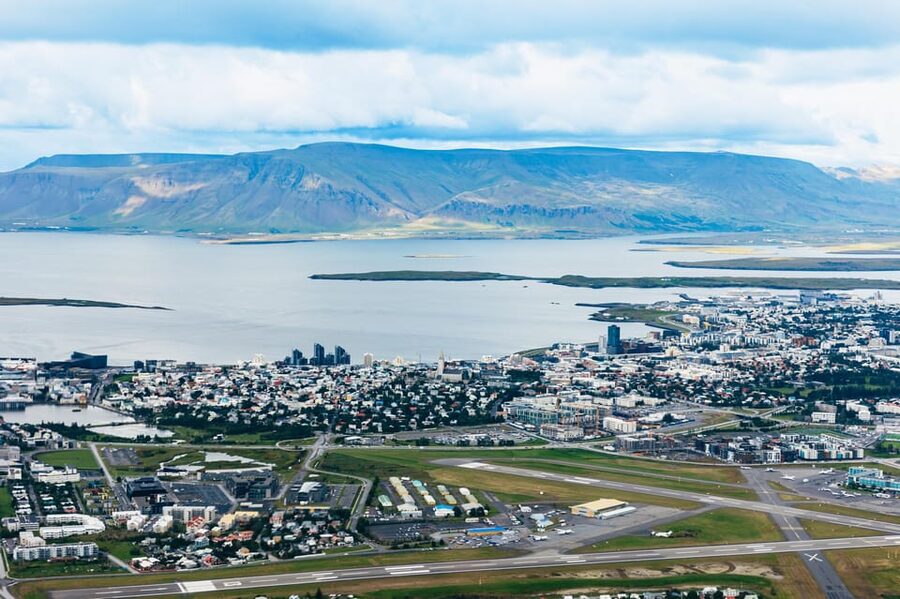
The journey back to Reykjavik takes about five minutes. If visibility remains good, you may have another look at Faxafloi Bay, Mount Esja, and the Capital Region before landing at Ace FBO.
At this point, the flight can feel short. Several people loved the experience but wished it lasted longer, especially at this price. A 40-minute booking includes the full flight window, yet the actual time may be closer to 30 minutes depending on the day’s route and conditions.
That short duration is also part of the appeal. You can fit the trip into a busy Reykjavik day without giving up half a day to transport. If you have limited time in Iceland and want one dramatic aerial experience, the compact format works well.
What the $577 price really buys you
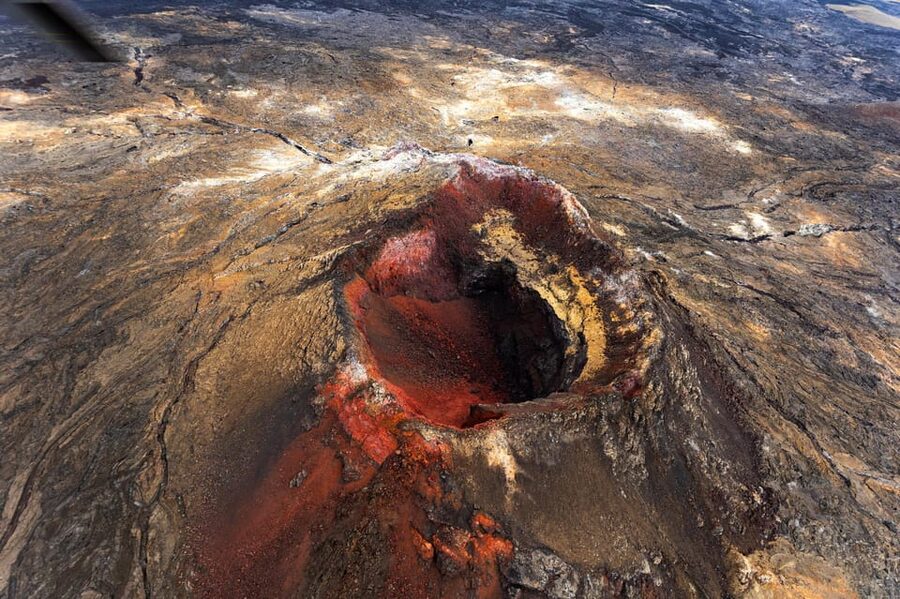
At $577 per person, this is expensive even by Iceland standards. You are not paying for a long excursion, a meal, or a full ground tour. The price mainly covers a small helicopter, a professional pilot, fuel, regulated access to a changing volcanic zone, and a view that is difficult or impossible to reproduce from the ground.
I think the value depends on your priorities. If seeing recent volcanoes is high on your Iceland wish list, the flight can justify the cost. You cover several sites in one outing, and you avoid a long hike or a complicated ground approach to the eruption area.
If you simply want attractive views from above, other aerial options may offer more time for less money. This particular flight makes the most sense for people who care about geology, recent eruptions, photography, or a rare chance to see volcanic ground while it is still new.
The experience also has a strong emotional side. Looking down at a fresh fissure or a broad field of black lava can feel humbling. One passenger described being moved by the sight of the eruption sites and by the effect of the activity on Grindavik. That is a useful reminder to treat the area with respect. It is not just a dramatic photo opportunity.
Weather, safety, and practical limits
Weather is the biggest practical issue. Helicopter flights must follow the rules of Iceland’s Department of Civil Protection and Emergency Management, so the operator may postpone or cancel a flight when conditions are unsafe.
Poor visibility can also weaken the experience even if the helicopter technically could fly. Several people had flights moved because of weather or low visibility, then received help finding another time. If your schedule allows, book early in your Iceland stay. That gives you more room to reschedule if wind or cloud interrupts the first attempt.
The flight requires at least four passengers to operate. A very small group is a benefit once you are airborne, but it means a booking may depend on the minimum number being reached.
Passenger weight also matters. If you weigh more than 120 kilograms, you must reserve an additional seat. Check this before booking so there are no surprises at the FBO.
Wear clothing suitable for Icelandic weather, even though the flight itself is short. If you are lucky enough to land near a lava field, you will want to be comfortable outside. Bring a phone or camera with enough battery and keep it ready before reaching the volcanic sites.
Who will enjoy this flight most
I would recommend this experience most strongly to:
- People fascinated by volcanoes and recent eruptions
- Photographers who want a high view of craters and lava flows
- Couples marking a birthday, anniversary, or major trip
- First-time helicopter passengers seeking a short introduction
- Visitors with limited time who want to see several Reykjanes sites quickly
- Anyone unable to make a long ground hike to the volcanic areas
It may be less suitable if you need a guaranteed eruption, dislike weather-related uncertainty, or find the price hard to justify for a short flight. It is also not the best choice if your main interest is a long walk across the lava fields. The ground landing is possible, not assured.
The pilots are a major strength. Laura receives especially warm praise for her calm manner and explanations, while Tashi helped a nervous older passenger relax and enjoy the flight. Daniel, Peter, Juha, and Tamas are also described as professional and reassuring. The repeated praise for safety and smooth handling is important for anyone who has never flown in a helicopter.
Should you book the Reykjanes helicopter tour?
Book it if recent volcanic activity is one of your top reasons for visiting Iceland. The aerial view connects Litli Hrutur, Geldingadalir, Fagradalsfjall, and Grindavik in a way that a ground visit cannot. You may see a smoking crater, flowing lava, or even land near an older flow, but the craters and black lava fields remain worthwhile when the volcano is quiet.
I would book early in your trip, leave room for a weather change, and treat visible lava and a ground landing as luck rather than promises. At $577, this is a special-occasion splurge, not a casual add-on. For the right person, though, a short flight over a newly formed volcanic area can become the defining memory of Iceland.
FAQ
Where does the helicopter tour start?
The tour starts at Ace FBO Reykjavik, located just behind Hotel Reykjavik Natura in the ACE FBO building.
How long does the tour last?
The advertised duration is 40 minutes. The flight itself may last about 30 to 40 minutes, depending on conditions and the route.
How many people can join the helicopter flight?
The helicopter carries five or six passengers, and the group is limited to six participants.
What volcanoes and areas does the route visit?
The route includes the Capital Region, Litli Hrutur Volcano, Geldingadalir Volcano, Fagradalsfjall Volcano, Grindavik, and Reykjavik.
Will I definitely see flowing lava?
No. Eruptions may or may not be active during your visit, so visible lava is not guaranteed.
Can the helicopter land near the lava fields?
A landing may be possible in suitable conditions, and some flights have included a short walk on a recent lava field. It is not guaranteed.
Is the flight dependent on weather?
Yes. Flights depend on weather and must follow the safety rules of Iceland’s Department of Civil Protection and Emergency Management.
What happens if the flight cannot operate?
The activity allows cancellation up to 24 hours in advance for a full refund. The operator has also rescheduled flights affected by weather or poor visibility.
What languages are available?
The live tour guide and audio guide are available in English.
Is there a minimum number of passengers?
Yes. At least four passengers are required for the flight to operate.
Fresh around Reykjavík
- Exclusive Snaefellsnes Peninsula Private Day Tour★ 4.0 · 3 reviews
- Tipsy in Reykjavik: Drink with a Viking (Food, Beer, Music)★ 5.0 · 3 reviews
- Sólheimajökull Glacier Hiking Tour★ 3.7 · 3 reviews
- Northern Lights 3 Hours Private tour★ 4.5 · 3 reviews
- Northern Lights Private Tour from Reykjavik★ 5.0 · 3 reviews
- Private Superjeep Tour To Landmannalaugar and Hekla Volcano★ 5.0 · 3 reviews
- From Reykjavik: Private South Coast Tour in Iceland★ 4.3 · 3 reviews
- Iceland’s south coast G spots★ 5.0 · 3 reviews
Volcano & Lava Tours, compared.
Golden Circle Full-Day Tour with Kerid Crater
Read our review →
Small-Group Golden Circle, Blue Lagoon with Ticket & Kerid Crater
Read our review →
Golden Circle, Kerid Crater, & Blue Lagoon Tour
Read our review →
LAVA SHOW – Immersive Experience Entry Ticket
Read our review →
Lava Show Reykjavik Admission Ticket – Optional Premium Upgrade
Read our review →
Golden Circle with Kerid Volcanic Crater Day Tour from Reykjavik
Read our review →
Browse the lists this tour appears in