
Reviewed · 1-HOUR EXPERIENCES
Reykjavik: 1-Hour Prison Break Escape Game
The clock is your fiercest opponent. Reykjavik Escape turns a real prison cell into a compact puzzle challenge, where you and your group have one hour to prove your innocence and avoid execution. I like the authentic prison setting and the clear, high-pressure story. I also like that the room is private, so you solve problems with your own group rather than strangers.
The main drawback is simple: you may not escape. One participant enjoyed the game despite failing to get out, while another found that a clue did not help and that drawings left by earlier players caused confusion. If you want a guaranteed win, choose another activity. If you enjoy a fair fight against the clock, this is a strong Reykjavik option.
In This Review
- Key points before you book
- A real cell gives the game its strongest hook
- What happens during the 75-minute visit
- The ticking clock changes the experience
- Clues, drawings, and the need to stay organized
- Is $49 per person fair in Reykjavik?
- Choosing the right group size
- Families and age considerations
- English hosting and simple logistics
- Who should book the Prison Break room?
- Should you book this Reykjavik escape game?
- FAQ
- Where does the Prison Break escape game take place?
- How long does the activity last?
- How much does the experience cost?
- How many people can play in one room?
- Is the activity available in English?
- Can children participate?
Key points before you book
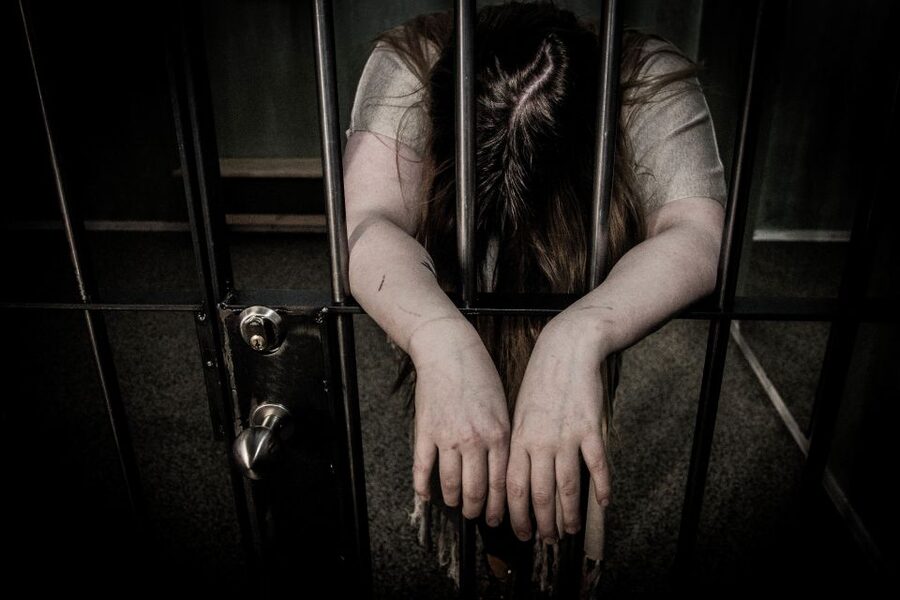
- You play inside a real prison cell, not a generic room dressed up with a few props.
- The central challenge lasts one hour, while the full activity takes about 75 minutes.
- Private rooms hold two to six people, making this a good choice for couples, families, or a small group of friends.
- Two rooms are available, allowing as many as 12 people to play at the same time.
- The story is direct and dramatic: you have been framed for murder, sentenced to death, and given one final chance to escape.
- The price is $49 per person, which is reasonable for a private group activity, though less attractive if your group fails to solve much of the room.
A real cell gives the game its strongest hook
The setting does much of the work here. You are not simply entering a room with locks and numbered boxes. You are placed in a real prison cell, which gives the story a physical edge from the start.
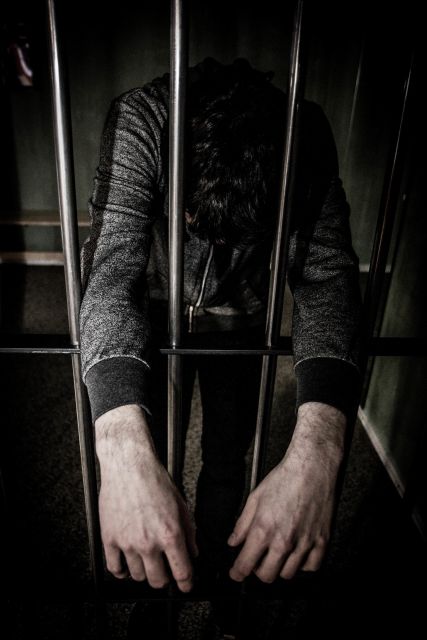
Your fictional situation is grim. A criminal mastermind has framed you for murder. Your claims of innocence have failed, and you have been sentenced to death in a maximum-security prison. The guards will make their rounds in exactly one hour. That is your window to find a way out.
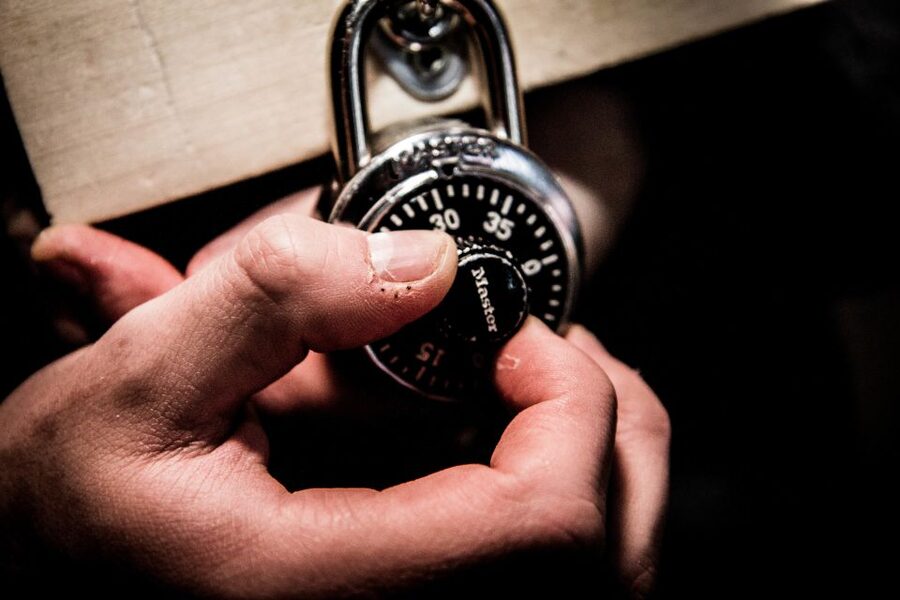
This plot is not subtle, but that is part of its value. You understand the mission immediately. Find clues, break codes, solve riddles, and escape before the guards return. There is no long backstory to memorize and no elaborate fantasy world to learn.
I like the way the cell supports the story. A prison setting makes locks, hidden messages, and restricted movement feel natural. The room itself becomes part of the problem. You are not only looking for answers. You are trying to work out what matters inside a space built to keep people in.
Do not expect a museum visit or a guided tour of prison history. The cell is the stage for the game, not the subject of a historical presentation. The appeal comes from using the setting under pressure.
A few more trips people compare before booking
- Reykjavik: 1-Hour Puffin Watching Tour
★ 4.5 · 305 reviews - 1-Hour Helicopter Tour in Iceland: The Geothermal Tour
★ 4.9 · 263 reviews - 1-Hour Small Group Sightseeing Boat Tour in Vestmannaeyjar
★ 5.0 · 127 reviews
What happens during the 75-minute visit
The advertised activity lasts 75 minutes, with one hour spent in the Prison Break escape room. The extra time allows for the arrival, introduction, and likely instructions before the countdown begins.
You start at Reykjavik Escape, Borgartún 6, 105 Reykjavík. The activity also ends there, so you do not need to arrange a separate return transfer or find a second meeting point.
Once the game begins, your group works through a chain of puzzles. The available information points to three basic tasks:
- Find hidden clues.
- Break codes.
- Solve riddles.
That sounds straightforward, but escape rooms rarely fail because a single puzzle is impossible. They fail because a group misses a clue, follows the wrong idea, or spends too long arguing over an answer that is going nowhere.
The one-hour limit gives every discovery some weight. A clue is not merely interesting. It may save several minutes. A code is not just a small victory. It could open the next part of the room. The pressure should keep your attention focused, even when the answer seems close.
I would divide jobs early. One person can inspect the room carefully, another can keep track of numbers and letters, and someone else can test connections between clues. If everybody attacks the same lock, you may lose valuable time.
The room is designed for two to six people. That range matters. With two people, every clue and decision belongs to you, which can feel satisfying but demanding. With six, you have more eyes and ideas, but too many voices can make a simple puzzle harder than it needs to be.
The ticking clock changes the experience
The game’s best feature is the countdown. Without a time limit, you could examine every object at leisure and eventually try every possible code. Here, the clock forces you to choose.
The story says that the guards will check the inmates after one hour. That gives the timer a reason beyond a basic game rule. You are not simply trying to finish before a buzzer. You are trying to act before the fictional prison routine catches up with you.
This setup should suit people who enjoy shared problem-solving. You need patience, quick communication, and a willingness to abandon a bad theory. The most useful player is not always the person who solves the most puzzles. Often it is the person who notices that the group has spent ten minutes on the wrong one.
A failed escape is still part of the appeal, but value depends on your attitude. One participant rated the experience as very good despite not getting out. That is a useful warning and an encouraging sign at the same time. The room does not need to end in victory to produce a fun hour, but you should be ready for the possibility that the final lock stays shut.
If your group gets frustrated when it cannot complete a challenge, think carefully before booking. If you can laugh at a missed code and enjoy the attempt, the risk is much smaller.
Clues, drawings, and the need to stay organized
One piece of feedback points to a practical concern. A clue did not help the group, and drawings left behind by earlier players caused confusion.
That tells me you should treat every mark or apparent message with care. Do not assume that something visible is part of the current puzzle. At the same time, do not dismiss a detail simply because it looks messy or unclear. The challenge is partly about deciding what deserves attention.
A simple system can help. Keep discovered items together, separate solved clues from active ones, and say out loud when you think a code or object has been ruled out. This reduces the chance that two people repeat the same failed attempt.
You can also ask for help if the game provides that option, although the supplied details do not explain how hints work or how many you receive. I would not count on every clue making immediate sense. Escape rooms often become more enjoyable when you accept that confusion is part of the job.
The mention of leftover drawings is worth noting because it can affect the room’s clarity. If markings from previous players remain, you may need to distinguish decoration, old notes, and useful information. That is not necessarily a flaw in the whole activity, but it can make the task less clean than you expect.
Another way to fill a day from Reykjavík:
- Reykjavik: Golden Circle Full-Day Tour with Kerid Crater
★ 4.8 · 24,485 reviews - Reykjavik Food Walk – Local Foodie Adventure in Iceland
★ 5.0 · 18,952 reviews - Iceland: Northern Lights Bus Tour from Reykjavik
★ 4.1 · 11,161 reviews - Reykjavík: South Coast Waterfalls, Black Sand & Glacier Tour
★ 4.8 · 11,030 reviews
Is $49 per person fair in Reykjavik?
At $49 per person, this is not a cheap filler activity. Reykjavik has plenty of ways to spend an hour without paying for admission, so the price deserves a closer look.
The strongest value comes when you book for a full private group. Six people sharing the same room means you are paying for a dedicated activity with your own friends or family. You also avoid being matched with strangers, which can make a big difference if your group has its own rhythm.
For two people, the cost feels higher. You have fewer minds working on each puzzle, and the price per person remains the same. Couples who love escape games may consider that worthwhile. Couples who are only mildly curious may prefer an activity with more guaranteed sightseeing value.
The price is easier to justify for a rainy day, a break between outdoor plans, or an evening when you want something active but do not want another restaurant meal. It also offers a change from Reykjavik’s usual museums, pools, and city walks.
The 4.6 rating from 12 ratings suggests a generally strong response, though the small number means I would not treat it as a perfect prediction for every group. The available feedback includes both a lot of fun and a few frustrations about clues and room markings. That combination feels believable for an escape room: the experience depends heavily on how your group thinks together.
Choosing the right group size
The private format is one of the activity’s biggest practical advantages. You do not have to perform in front of strangers, wait for another team, or negotiate every idea with people you have just met.
For two people, the room may feel intense. You will have fewer eyes searching for clues and fewer alternative ideas when a code refuses to work. The upside is that every decision is yours, and quieter players get plenty of room to contribute.
Three or four people may offer the best balance. You have enough people to divide tasks without making communication unwieldy. This size also works well if your group includes one or two people who already enjoy puzzles and others who are trying an escape room for the first time.
Five or six people give you more search power, but organization becomes important. Make sure one person keeps track of the overall plan. Otherwise, the group can split into noisy conversations and miss the connection between two clues.
Two rooms are available, with space for up to 12 people to play at once. If you have a larger party, this allows you to divide into two groups of up to six. The information does not say that the rooms are identical or that they compete against each other, so I would not book expecting a formal race.
Families and age considerations
Children under 10 must be accompanied by at least one adult per room. Unaccompanied minors are not allowed.
That rule makes the activity possible for some families, but the story may not suit every child. The plot involves a murder frame-up, a death sentence, maximum-security prison, and a threatened execution. Even though the experience is a puzzle game, the theme is darker than a light family scavenger hunt.
I would choose this for a family with older children who enjoy suspense and can work through frustration. Younger children may find the setting or story uncomfortable, and the information provided does not give a minimum age beyond the adult requirement for children under 10.
For adults, the grim plot adds urgency without requiring a long explanation. For children, you should decide first if the fictional danger sounds exciting or simply unpleasant.
English hosting and simple logistics
The host or greeter speaks English, and the activity is offered in English. That makes it a practical choice for international visitors who want a group activity without needing Icelandic.
You meet at Reykjavik Escape, Borgartún 6, postal code 105 Reykjavík. The activity begins and ends at this address. No transport is included, so you need to make your own way to the meeting point.
The stated duration is 75 minutes, but the escape portion is one hour. When planning your day, allow the full 75 minutes rather than treating the activity as a strict 60-minute appointment.
Booking is flexible. You can reserve now and pay later, and cancellation is free up to 24 hours before the activity for a full refund. Those terms are useful in Reykjavik, where weather can change outdoor plans quickly. They also help if you are building a packed itinerary and do not yet know which afternoon will remain free.
Who should book the Prison Break room?
I would recommend this for you if you enjoy:
- Puzzle rooms and code-breaking
- Small private-group activities
- A little theatrical suspense
- Friendly competition and time pressure
- Indoor plans during uncertain weather
- Activities where success depends on teamwork rather than physical fitness
I would be more cautious if you want a relaxed cultural experience, a guided story about Iceland, or a guaranteed result. This is not a sightseeing stop. You will not learn much about Reykjavik from the activity itself, and the main reward is the shared attempt.
It also may not suit a group with very different patience levels. One person who wants to inspect every clue can clash with another who wants to guess quickly. Agree before you enter that the goal is to have fun, not to prove who is the smartest person in the room.
Should you book this Reykjavik escape game?
Book it if your group likes puzzles and wants a private challenge with a strong setting. The real prison cell, clear one-hour mission, and small-group format give the activity more character than a basic room full of padlocks.
At $49 per person, I see it as a worthwhile specialty activity rather than a bargain. It works best for three to six people, when the cost is easier to share and the group has enough minds to handle the puzzles. Go in ready for the possibility of failure, keep track of clues carefully, and do not let one confusing drawing derail the whole hour.
If that sounds like your kind of fun, Reykjavik Escape offers a memorable break from standard sightseeing. Your reward may be freedom, or it may simply be a good story about the code that defeated you.
FAQ
Where does the Prison Break escape game take place?
It takes place at Reykjavik Escape, Borgartún 6, 105 Reykjavík, in Iceland’s Capital Region.
How long does the activity last?
The full activity lasts 75 minutes. The Prison Break escape room itself lasts one hour.
How much does the experience cost?
The listed price is $49 per person.
How many people can play in one room?
Each room is designed for two to six people. Two rooms are available, so up to 12 people can play at the same time.
Is the activity available in English?
Yes. The host or greeter speaks English, and the activity language is English.
Can children participate?
Children under 10 must be accompanied by at least one adult per room. Unaccompanied minors are not allowed.
Fresh around Reykjavík
- Exclusive Snaefellsnes Peninsula Private Day Tour★ 4.0 · 3 reviews
- Tipsy in Reykjavik: Drink with a Viking (Food, Beer, Music)★ 5.0 · 3 reviews
- Sólheimajökull Glacier Hiking Tour★ 3.7 · 3 reviews
- Northern Lights 3 Hours Private tour★ 4.5 · 3 reviews
- Northern Lights Private Tour from Reykjavik★ 5.0 · 3 reviews
- Private Superjeep Tour To Landmannalaugar and Hekla Volcano★ 5.0 · 3 reviews
- From Reykjavik: Private South Coast Tour in Iceland★ 4.3 · 3 reviews
- Iceland’s south coast G spots★ 5.0 · 3 reviews
1-Hour Experiences, compared.


1-Hour Helicopter Tour in Iceland: The Geothermal Tour
Read our review →
1-Hour Small Group Sightseeing Boat Tour in Vestmannaeyjar
Read our review →

1 Hour Iceland Nature and Wildlife RIB Small Group Guided Safari
Read our review →


Browse the lists this tour appears in