
Reviewed · CITY TOURS
Reykjavik: City Walking tour in Small Group with Local Guide
Start with the church, then let Reykjavík unfold downhill. I like this tour for its small groups and its mix of major sights, local stories, and practical orientation. You see Hallgrímskirkja, Harpa, Alþingi, Tjörnin, Laugavegur, and the old city center without spending half the day on a bus. The one drawback is that Harpa receives more of a visual visit than a detailed architectural explanation, so design fans may want extra time there afterward.
I also like the gentle pace and the guides’ personal approach. Guides such as Ási, Martin, Ryan, Erik, Tom, and Nori have earned praise for clear stories, humor, and patient answers. Bad weather does not cancel the walk, though rain, wind, or snow can still make parts of it less pleasant.
In This Review
- Key points at a glance
- Meeting at Hallgrímskirkja and Leifur Eiríksson
- Downhill through Laugavegur and Skólavörðustígur
- Tjörnin, colorful houses, and city wildlife
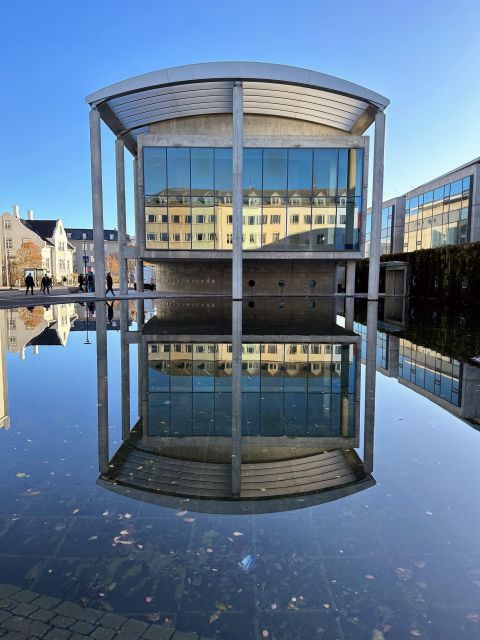
- Alþingi and Austurvöllur: Iceland’s civic center
- Harpa’s glass, color, and shelter from the cold
- Arnarhóll and the final square
- What the guide adds to the walk
- Weather, walking comfort, and accessibility
- Is $51 a fair price?
- Who should book this Reykjavík walk?
- FAQ
- Where does the Reykjavík walking tour begin?
- Where does the tour finish?
- How long does the tour last?
- Is the tour suitable for wheelchairs?
- What should I bring?
- What language is the tour in?
- Should you book it?
Key points at a glance
- Meet at Reykjavík’s highest point: Begin beside the Leifur Eiríksson statue in front of Hallgrímskirkja, then walk downhill through the center.
- A true small-group format: Groups can be as small as four to eight people, with one reported group of 12, making questions and conversation easier.
- Harpa provides a welcome indoor pause: You go inside the striking concert hall, a useful shelter when Iceland’s weather turns cold.
- A useful first-day introduction: The route helps you understand the city center, find restaurants and streets, and choose places to revisit later.
- Easy underfoot: The total descent is about 100 meters, or 300 feet, and the walk is described as wheelchair accessible.
- Strong guide-led storytelling: History, independence, modern Iceland, local life, food suggestions, and amusing details give the tour its real value.
Meeting at Hallgrímskirkja and Leifur Eiríksson
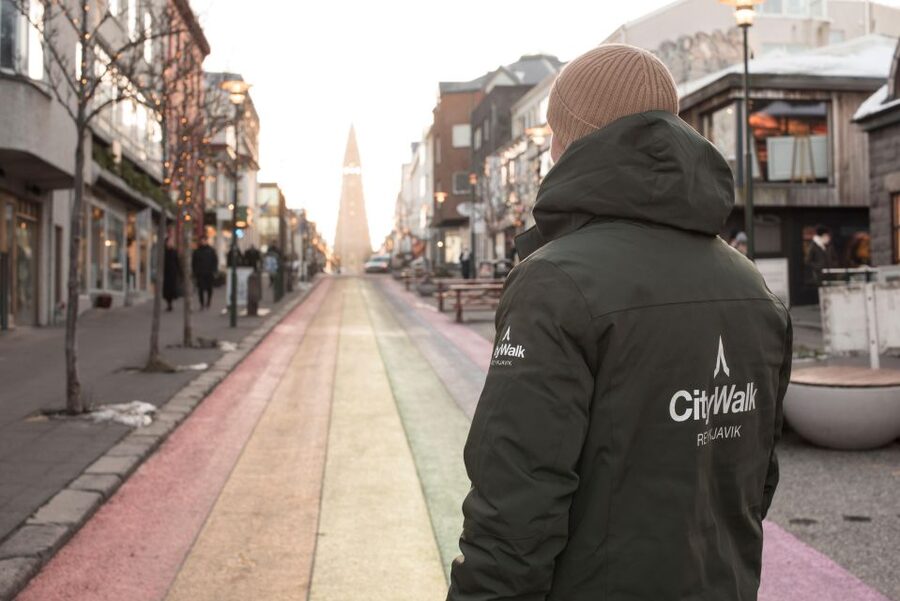
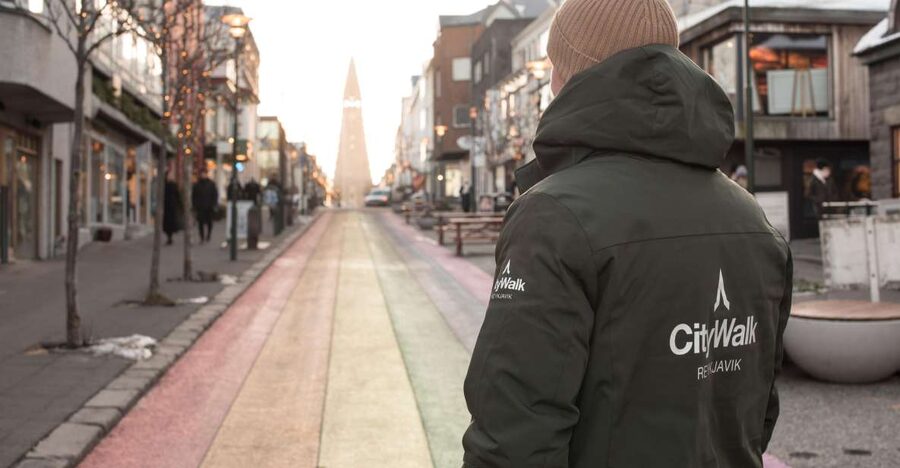
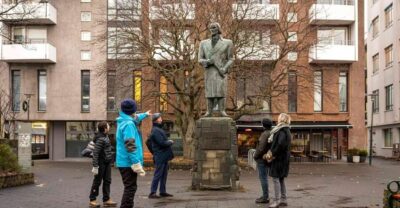
Your starting point is easy to recognize: the statue of Leifur Eiríksson in front of Hallgrímskirkja Church. Look for the CityWalk Reykjavík guide wearing marked clothing. Arrive ready to spot the guide rather than simply waiting near the church doors, since the statue is the stated meeting place.
This is a smart starting point. Hallgrímskirkja sits on a hill and gives you a broad view across Reykjavík. The route then heads downhill, so the first stop provides orientation before you move into the streets.
The church itself receives about ten minutes for a photo stop, visit, and guided introduction. The supplied route also lists a second Hallgrímskirkja stop with time for sightseeing, shopping, a possible food market visit, safety information, and views along the way. The exact balance may depend on the guide and conditions, but you should expect the church to frame the tour rather than serve as a full church tour.
The practical benefit is clear: you get your bearings early. If you have just arrived, you can see how the upper church area connects with Laugavegur and the lower center.
More Walking Tours:
- Reykjavik Food Walk – Local Foodie Adventure in Iceland
★ 5.0 · 18,952 reviews - Reykjavík Small group Walking Tour – by CityWalk
★ 5.0 · 5,076 reviews - Reykjavik: Guided Foodie Walking Tour with 6 Tastings
★ 4.9 · 1,645 reviews
Downhill through Laugavegur and Skólavörðustígur
From the church, the walk moves through Reykjavík’s central streets, including Laugavegur and Skólavörðustígur. These streets are a useful introduction to the city’s everyday face: colorful buildings, shops, cafés, and the compact layout that makes central Reykjavík manageable on foot.
The Laugavegur portion lasts about 15 minutes. That is enough time for a guided look and a few photographs, but not enough to browse shops at leisure. I would mark places that interest you and return after the tour. This is one reason the experience works well early in your stay: you get a list of places to explore at your own speed.
The route is not a hard hike. It drops around 100 meters overall and is described as very easy. Still, easy does not mean you can ignore footwear. Reykjavík can be wet, windy, or slippery, so wear shoes that handle damp pavement and bring warm layers even in summer.
The group size matters here. A guide can stop to answer questions without holding up a large crowd, and you are more likely to hear details about a side street or building that you might otherwise pass without noticing.
Tjörnin, colorful houses, and city wildlife
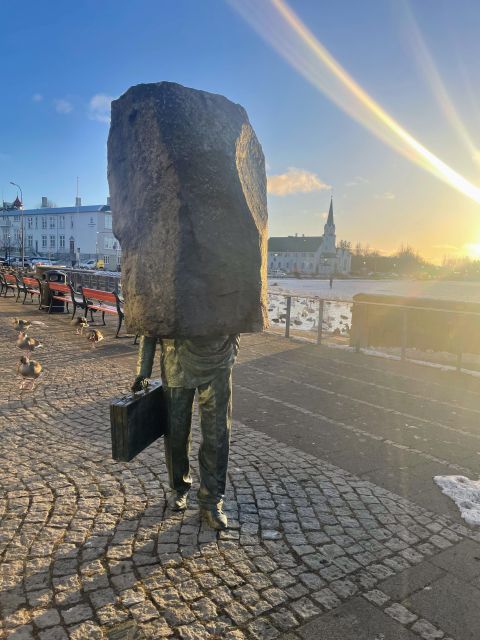
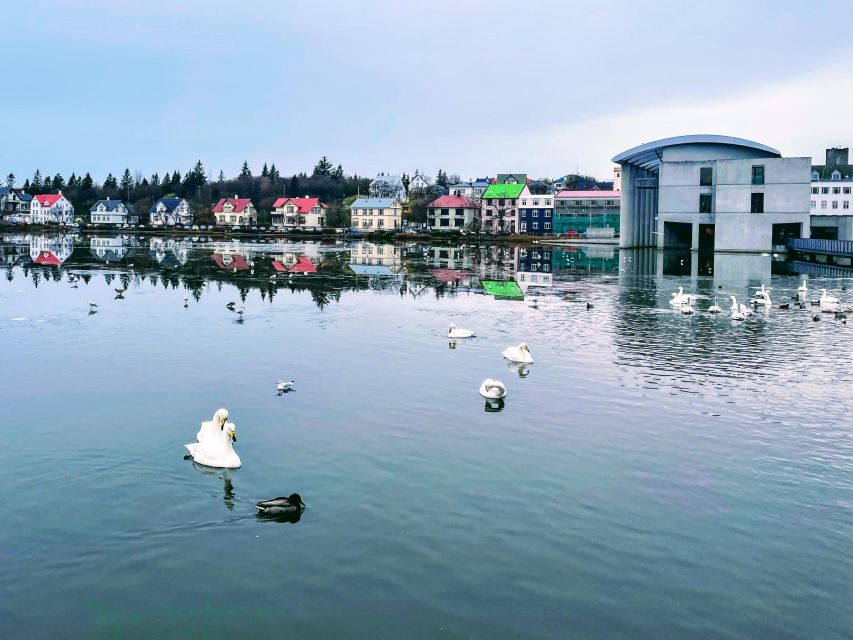
The route includes the area around Tjörnin, Reykjavík’s central lake. This is one of the gentler parts of the walk, with colorful houses around the water and birds that add a little life to the city-center setting.
Tjörnin gives the tour a change of rhythm. After streets and buildings, you get open water, views, and a place for photographs. The guide can connect the lake with Reykjavík’s city layout and daily life, while you get a chance to look around rather than simply move from landmark to landmark.
The itinerary allows time for a short stop, not a long lakeside visit. If the birds and houses appeal to you, plan to return independently. The tour’s purpose is to introduce the area, not provide extended wildlife watching.
This is also a good spot to judge the walking pace. Guides praised in the feedback, including Ási, Ryan, and Martin, were repeatedly described as easy to follow, funny, and willing to pause for questions. One small group had only four people and felt almost private, while another had eight. A group of 12 was still described as an ideal size compared with larger city walks.
Alþingi and Austurvöllur: Iceland’s civic center
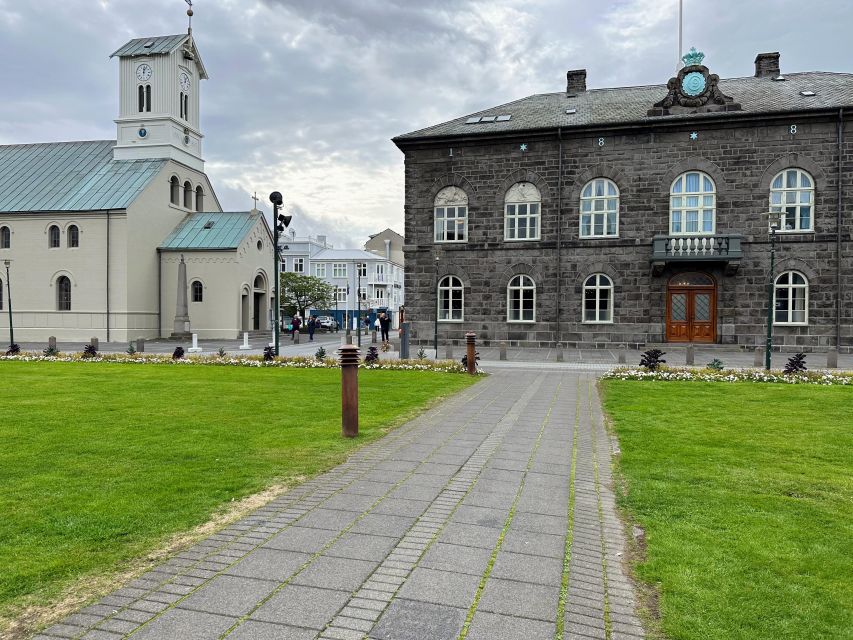
The walk continues to Alþingi, Iceland’s Parliament, and Austurvöllur, the square beside it. You photograph the Parliament building dating from 1881 and hear about Reykjavík’s political past and Iceland’s path to independence.
This is where the tour moves beyond pretty streets. A city walk can show you buildings without explaining why they matter. Here, the guide-led context helps connect the capital’s modest scale with the country’s national story.
Alþingi receives around ten minutes, followed by another ten minutes at Austurvöllur. That is a short visit, but it fits the tour’s wider purpose: give you a working map of central Reykjavík and enough background to make later sightseeing more meaningful.
The guides’ approach appears to be one of the strongest parts of the experience. Tom was praised for explaining how Reykjavík developed into a city. Ryan brought the story from early settlement to modern Iceland, while another guide, Mathieus, shared his perspective as someone from France who had lived in Iceland for 11 years and married an Icelander.
That range can be useful. You are not relying only on dates and names. You also hear how Iceland looks to people who live there or have made the country their home.
A few more trips people compare before booking
- Reykjavik: Golden Circle Full-Day Tour with Kerid Crater
★ 4.8 · 24,485 reviews - Iceland: Northern Lights Bus Tour from Reykjavik
★ 4.1 · 11,161 reviews - Reykjavík: South Coast Waterfalls, Black Sand & Glacier Tour
★ 4.8 · 11,030 reviews - Reykjavík: Whale Watching and Marine Life Cruise
★ 4.6 · 9,838 reviews
Harpa’s glass, color, and shelter from the cold

Harpa Concert Hall is one of the tour’s main visual stops. The group goes inside, where the building’s dramatic design gives you a chance to see Icelandic architecture from close range rather than only from the waterfront.
Harpa is especially useful in poor weather. The tour runs in rain, wind, snow, and cold, and the operator may add indoor stops or use buildings and exhibitions as shelter. Harpa gives the group a warm pause during conditions that would otherwise make a city walk tiring.
The route allows about ten minutes at Harpa. That is enough for a guided look and photographs, but do not expect a full performance-venue tour or a long architectural lecture. One participant specifically felt the building itself deserved more explanation. I agree that this is the main limitation if Harpa is your reason for booking.
You can solve that easily by returning later. The tour gives you the introduction and the location, while a separate visit lets you study the glass walls and interior details at leisure. Think of Harpa as an important stop within a city story, not the entire subject of the walk.
The oceanfront section around Harpa adds another change of scenery. You move from the built-up streets to Reykjavík’s edge, then eventually circle back toward the oldest part of the center.
Arnarhóll and the final square
Arnarhóll is another short guided sightseeing stop before the walk finishes at the Parliament area, in the main square. The final location is listed as Free Walking Tour Reykjavík CityWalk, close to Alþingi and Austurvöllur.
Ending here is convenient. You are back in the heart of the city, near places you may want to revisit, eat, shop, or photograph. Several people found restaurant and pastry recommendations especially helpful, and one guide suggested places for lobster soup and fresh fish after the walk.
The finish also lets you continue exploring without needing transport. Since the tour does not include food, admission tickets, or rides, you should see the final stop as a handoff to your own Reykjavík time.
What the guide adds to the walk
The buildings are easy to find on a map. The guide is what turns them into a worthwhile two and a half hours.
The strongest pattern in the feedback is the quality of the storytelling. Ási was praised for combining humor with a firm grasp of Reykjavík. Martin was described as funny, organized, and full of useful facts. Erik was praised for explaining his country with both warmth and wit. Ryan’s academic background and work as a local university lecturer made the historical sections particularly strong.
You should also expect the tone to vary by guide. Some may focus more on settlement and independence. Others may put more energy into modern life, local customs, food, or personal observations. That is part of the appeal of a local-led walk, but it also means the exact experience is not scripted minute by minute.
The best guides ask if you have questions, answer clearly, and avoid rushing. That matters in Reykjavík, where wind can make it hard to stand still and hear everything. The favorable feedback repeatedly points to a comfortable pace, good explanations, and guides who kept the group together without making the walk feel hurried.
Weather, walking comfort, and accessibility
The tour runs rain or shine. Great weather is not promised, and the walk is not canceled simply because Reykjavík is wet, windy, snowy, or cold. In poor conditions, the small group may spend more time inside buildings and exhibitions.
Pack for the forecast, but do not trust a mild morning to last all afternoon. Bring warm clothing, weather-appropriate outerwear, and comfortable shoes. Icelandic weather can change quickly, and even a short stop beside the water can feel colder than expected.
The route is mostly on geothermal-heated or salted sidewalks, which are intended to remain free of ice and snow. That reduces winter difficulty, but it does not remove the need for sensible footwear.
The walk is wheelchair accessible and adjustable in bad weather. The overall descent is gentle, though you should still confirm that the particular day’s route suits your needs if you require detailed accessibility information. The operator specifically describes the walk as easy and downhill.
Is $51 a fair price?
At $51 per person, this is not the cheapest way to stroll around Reykjavík. You can walk past many of these landmarks on your own for nothing. The price pays for the guide’s time, the historical explanation, the small-group setting, and the useful route from the upper church area to the old center.
The value is strongest if you are new to Reykjavík or have only a short stay. In two and a half hours, you cover a wide section of the central area and learn where to return later. One person used the walk on the first day specifically to find places worth revisiting, which is exactly how I would use it.
The value is weaker if you already know central Reykjavík well or prefer to read signs and explore silently. It is also not a good match if you want long visits inside each landmark. The tour gives you a broad introduction, not extended time at Hallgrímskirkja, Harpa, Parliament, or Tjörnin.
Small groups help justify the cost. Four to eight people can feel close to a private walk, while 12 still gives you room to hear the guide and ask questions. You are getting more attention than on a large 24 to 30-person group.
Who should book this Reykjavík walk?
I would choose this tour for a first day in the city, especially after arriving with limited time. It gives you orientation, history, food suggestions, and a practical sense of how the center fits together.
It also suits anyone who prefers stories to checklist sightseeing. The route includes the essential landmarks, but the real payoff comes from learning how Reykjavík developed, how Iceland became independent, and how modern life connects with the old center.
Families and older walkers may appreciate the easy downhill route, though cold or rain can still affect comfort. Wheelchair users can consider it because the tour is described as accessible and adaptable.
I would be more cautious about booking if you want a specialist architecture tour, a food tour, or long indoor visits. One person specifically suggested adding a food tour, and that is sensible if eating is a major priority. Harpa fans should plan a separate return visit if they want more than a quick guided introduction.
FAQ
Where does the Reykjavík walking tour begin?
Meet the CityWalk Reykjavík guide in marked clothing in front of Hallgrímskirkja Church, beside the statue of Leifur Eiríksson.
Where does the tour finish?
The walk finishes by the Parliament building in the main square, in the Austurvöllur area, at the CityWalk Reykjavík finishing point.
How long does the tour last?
The walking tour lasts 2.5 hours.
Is the tour suitable for wheelchairs?
Yes. The tour is described as wheelchair accessible, and the route can be adjusted in bad weather.
What should I bring?
Bring comfortable shoes, warm clothing, comfortable clothes, and clothing suitable for the weather. The tour runs in rain, snow, wind, and cold.
What language is the tour in?
The live tour guide speaks English.
Should you book it?
Book this walk if you want a well-paced first look at Reykjavík with real context instead of a simple march past landmarks. The downhill route, small groups, indoor shelter options, and strong guide feedback make it a sound choice at the start of a short Iceland visit.
Skip it if you already know the city center or want a dedicated food, architecture, or museum experience. For most first-time visitors, though, $51 buys more than directions. It gives you a useful map of the city and the stories to make sense of what you see.
Fresh around Reykjavík
- Tipsy in Reykjavik: Drink with a Viking (Food, Beer, Music)★ 5.0 · 3 reviews
- Exclusive Snaefellsnes Peninsula Private Day Tour★ 4.0 · 3 reviews
- Sólheimajökull Glacier Hiking Tour★ 3.7 · 3 reviews
- Northern Lights 3 Hours Private tour★ 4.5 · 3 reviews
- Northern Lights Private Tour from Reykjavik★ 5.0 · 3 reviews
- Private Superjeep Tour To Landmannalaugar and Hekla Volcano★ 5.0 · 3 reviews
- From Reykjavik: Private South Coast Tour in Iceland★ 4.3 · 3 reviews
- Iceland’s south coast G spots★ 5.0 · 3 reviews
City Tours, compared.

City Sightseeing Reykjavik Hop-On Hop-Off Bus Tour: 24 or 48-Hour
Read our review →
3,5-Hour Sightseeing Tour To Dynjandi Waterfall
Read our review →
Airport Transfer in Iceland from Keflavik Airport to Reykjavik City With Hotel Drop Off
Read our review →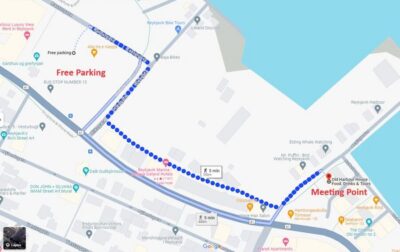
Browse the lists this tour appears in