
Reviewed · WHALE WATCHING
Reykjavik: Whale Watching Tour, Whales of Iceland Exhibition
Whales make Reykjavík feel wonderfully wild. This 3.5-hour outing pairs a boat trip from the Old Harbor with the Whales of Iceland Exhibition, giving you both a chance to spot living animals and a close look at their enormous scale indoors. I like the warm thermal overalls, the free return ticket if no wildlife appears, and the way guides such as Lucas, Oskar, Daniel, and Ivan keep the search lively with facts and humor. The main catch is simple: whales are wild, and winter or poor conditions can lower your odds.
I also like that you can choose which activity comes first. That flexibility matters if your boat departure and museum hours need careful planning. The museum’s 23 full-size models add real context after a day at sea, though the exhibition is mainly about models and information rather than live animals. Bring layers, since the upper deck can be very cold even when Reykjavík feels mild.
In This Review
- Key points to know before you go
- Leaving Reykjavík’s Old Harbor for Faxaflói Bay
- What the guides add to the whale search
- The wildlife you may see in Faxaflói Bay
- Warm overalls, wind, and the practical side of the boat
- Why the Whales of Iceland Exhibition matters
- How to arrange the two activities
- Is $123 a fair price?
- Who will enjoy this experience most
- Final call: book it if you want the full picture
- FAQ
- How long does the experience last?
- Where does the boat tour depart?
- Where is the Whales of Iceland Exhibition?
- Can I choose which activity comes first?
- What happens if I do not see any whales?
- What languages are available?
- Are warm clothes provided?
Key points to know before you go
- Two experiences in one ticket: Sail through Faxaflói Bay, then visit 23 life-size whale models at the museum.
- Best wildlife season: April through September generally offers better odds, although whales have been spotted in other months.
- Warm clothing still matters: Thermal overalls are supplied, but wind on the upper deck can cut through ordinary clothes.
- Good sighting safety net: If you see nothing, you receive a complimentary ticket to return.
- Strong guiding is part of the appeal: Guides including Lucas, Oskar, Daniel, Ivan, and Andrea have been praised for clear facts, humor, and whale-spotting help.
- Allow time for both sites: The boat trip can take about three hours, while the full experience is listed at 3.5 hours.
Leaving Reykjavík’s Old Harbor for Faxaflói Bay
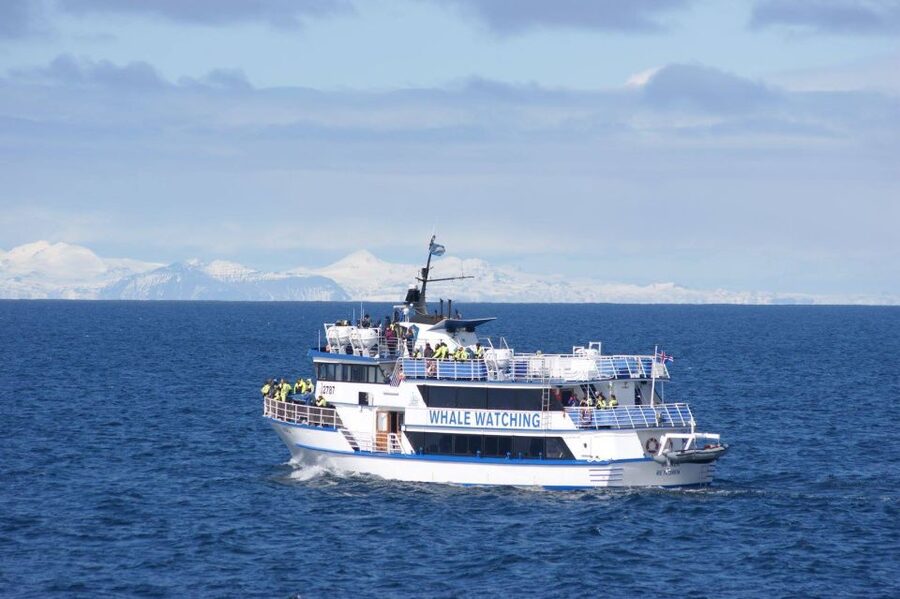
Your boat leaves from Reykjavík’s Old Harbor, a convenient starting point for a morning or afternoon on the water. You meet at the local partner’s office for the boat tour, then board one of Iceland’s larger whale-watching boats and head into Faxaflói Bay.
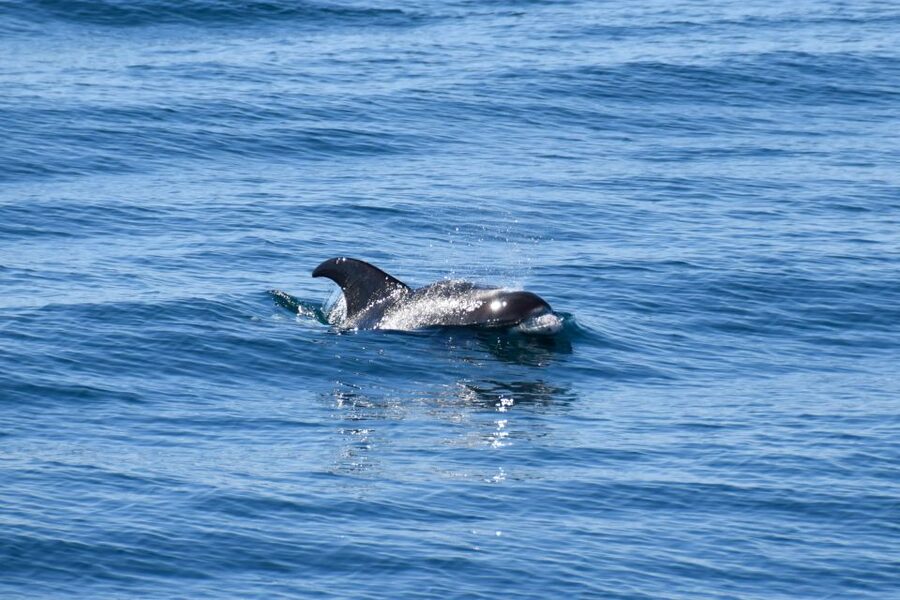
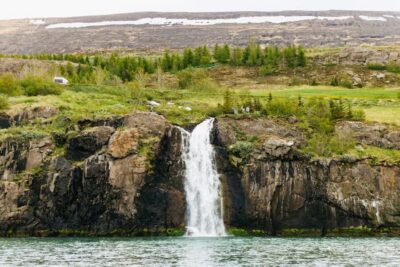
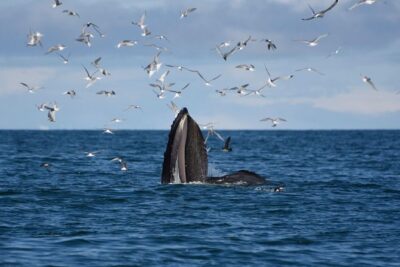
The bay is a good setting for this kind of trip because several types of marine life pass through it. The most common sightings are minke whales, white-beaked dolphins, harbor porpoises, and humpback whales. You might also see seals or seabirds. One outing recorded Northern Gannet birds plunging after fish, which adds action even when the whales keep a low profile.
The boat gives you room to move around and watch from different angles. An upstairs seat can offer better views, but it also exposes you to more wind. If you want the best chance of hearing the guide and staying warm, you may prefer to move between the outside viewing areas and the indoor space.
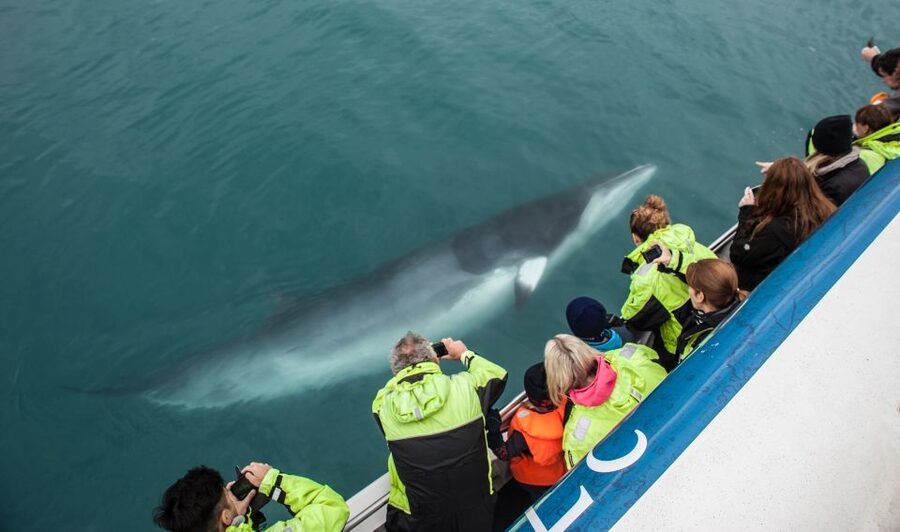
The upper deck is where the excitement often happens. Everyone scans the water, then suddenly a fin, back, or puff of breath appears. A humpback may surface near the boat, while a minke whale may show only briefly. That uncertainty is part of the experience, but it also means you should not expect a staged animal encounter.
More Museum Visits in Reykjavík
- Reykjavik: Perlan Museum Wonders of Iceland Entrance Ticket
★ 4.7 · 2,575 reviews - Reykjavík: Hop-On Hop-Off Bus and Perlan Museum Entry Ticket
★ 4.3 · 719 reviews - Reykjavik: Whales of Iceland Museum Entrance Ticket
★ 4.4 · 493 reviews
What the guides add to the whale search
A good guide can change the whole trip. Instead of staring at a wide stretch of water with no idea where to look, you learn how to watch for a blow, a dark back, a dorsal fin, or a sudden change in the water.
Ivan has been praised for showing people how to spot whales for themselves. Oskar kept the trip moving with facts and humor while searching for minke whales. Daniel helped maintain the excitement after an early humpback proved difficult to see, then located two more, including one close enough for strong photographs and video.
Lucas has also received high marks for both his explanations and his ability to find animals. Andrea, according to one account, kept talking through much of the three-hour trip and shared fascinating facts about whale behavior. You may not get the same guide on your departure, but the company clearly puts a lot of weight on the live commentary.
Wind can make speaking and listening difficult, especially upstairs. One useful tip is to ask questions when the boat is quieter or move indoors if you cannot hear. Guides speak English, and the exhibition offers audio guides in English, German, Icelandic, Chinese, Spanish, Portuguese, Japanese, French, Polish, and Finnish.
The wildlife you may see in Faxaflói Bay
The main stars are humpback whales and minke whales. Humpbacks are larger and often easier to identify, especially when they arch their backs or show a tail. A close pass can be thrilling, but sightings may also consist of a few brief surfaces.
Minke whales are smaller and can appear quickly before slipping below the surface. They are often a test of patience and attention. If you learn to watch the water rather than wait only for a dramatic breach, you will get more from the trip.
White-beaked dolphins can be a real bonus. They may travel in groups and move faster than the whales, giving you several chances to follow them near the boat. Harbor porpoises are smaller and less showy, so you may need help from the guide to recognize them.
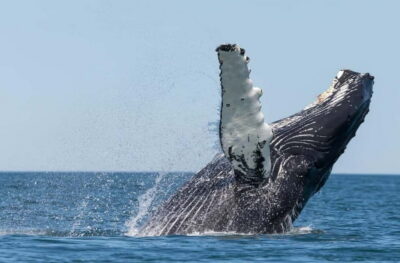
Past outings have included one humpback, several humpbacks, dolphins, porpoises, seals, and minke whales. One February trip found three humpbacks spending a long time in shallow water near the boat. Another outing saw a humpback breach. These moments are possible, but they are not promises.
The best time for whale watching is generally April through September. Sightings can still happen outside that period. February, March, October, November, and December trips have produced whales and dolphins, but your chances may be lower, and winter weather can make the boat ride colder and rougher.
Warm overalls, wind, and the practical side of the boat
Thermal overalls are provided, including children’s sizes. They are a major help, but do not treat them as a substitute for warm clothes. Wear several layers, comfortable shoes, and something that protects your hands and head. Sunscreen is worth packing during the brighter summer months.
The coldest place is usually the upper deck, where you get the clearest view. One parent called layers the essential tip after finding the top deck very cold. You can retreat indoors when needed, then return outside as soon as the guide spots activity.
Free WiFi is available on the boat. Refreshments can be purchased, and motion-sickness tablets are offered before departure and onboard. Food and drinks are not part of the ticket price, so plan to buy something onboard or eat before you leave.
The boat trip can take around three hours, with the complete activity listed at 3.5 hours. That is a substantial amount of time at sea. If you are sensitive to motion or uncertain about the weather, the ability to warm up inside is useful, but you should still prepare properly.
The vessel has a gangplank, so anyone with mobility concerns should contact the operator and arrive early to discuss boarding and seating. The activity is listed as wheelchair accessible. One family arrived about 40 minutes before departure to make boarding easier for a disabled child, which is sensible planning for anyone who needs extra time.
More Whale Watching Tours in Reykjavík
- Reykjavík: Whale Watching and Marine Life Cruise
★ 4.6 · 9,838 reviews - Reykjavík: Whale Watching Cruise on the Amelia Rose Yacht
★ 4.5 · 2,911 reviews - The Original Classic Whale Watching from Reykjavik
★ 4.5 · 2,626 reviews - Reykjavik: Whale Watching Tour with Expert Guide
★ 4.2 · 2,307 reviews
Why the Whales of Iceland Exhibition matters

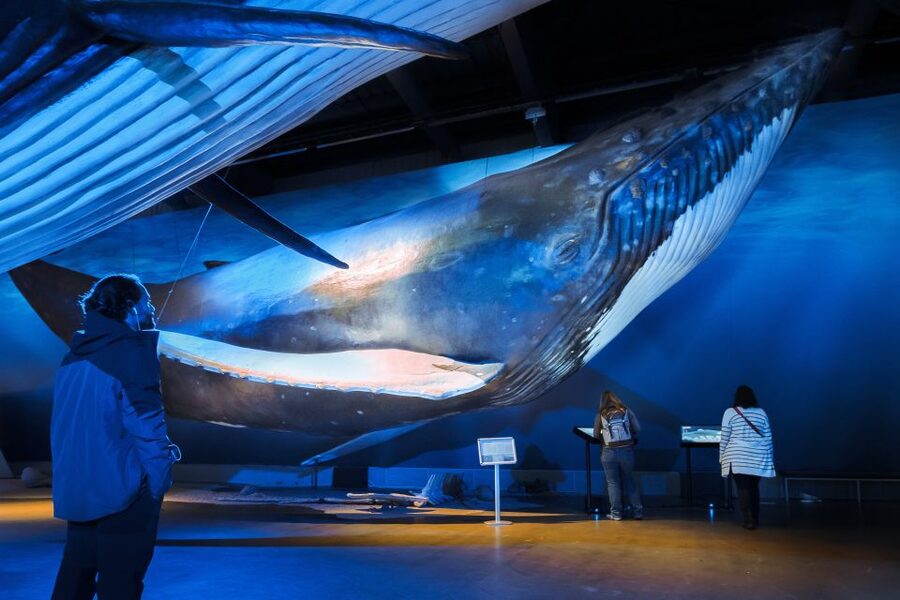
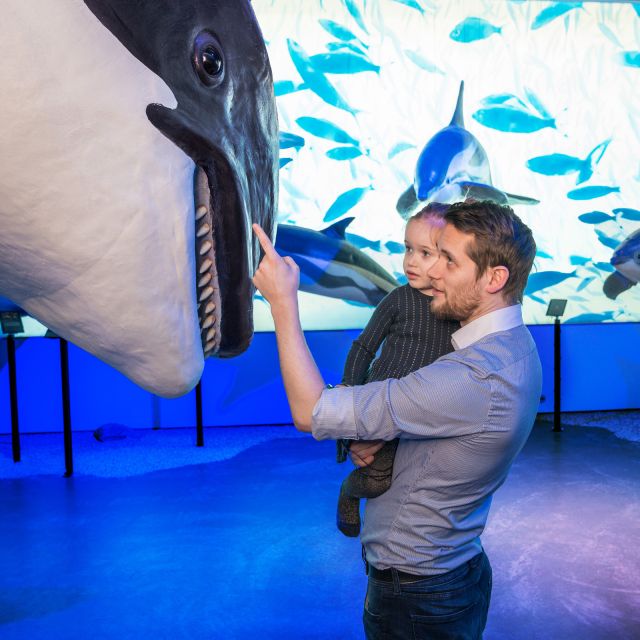
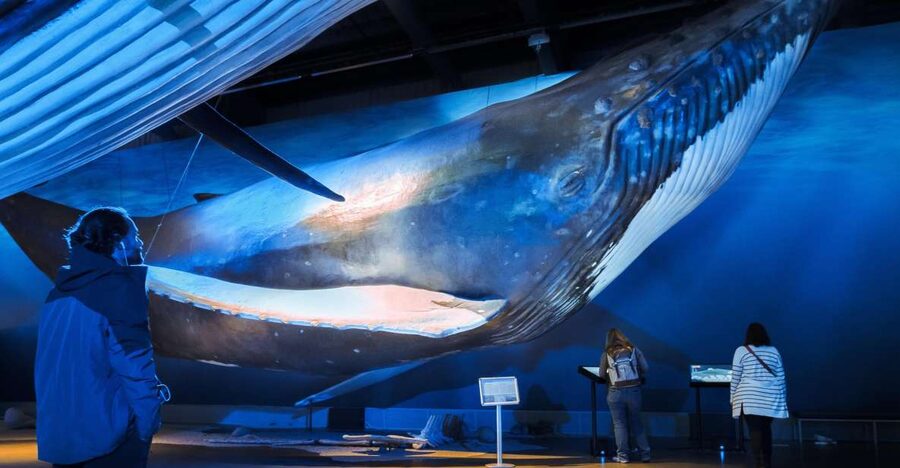
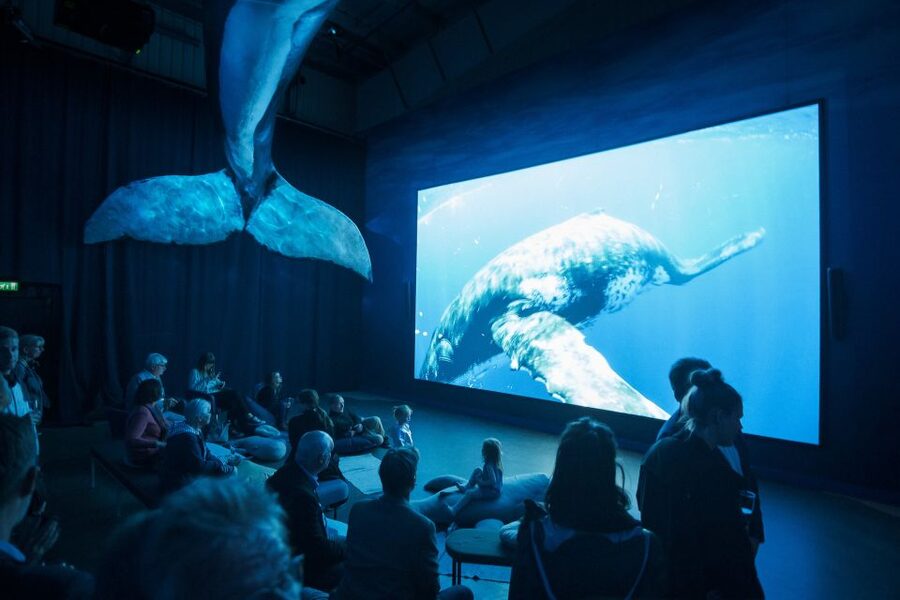
The museum is at Fiskislod 23, separate from the harbor departure point. It contains 23 life-size models representing whale species found in Icelandic waters. The scale is the point. A whale seen from a boat can seem like a moving patch of dark water, but a full-size model lets you understand how huge these animals really are.
The exhibition works especially well after the boat ride. If you see a humpback or minke whale, the models help you place that sighting in context. If the sea is quiet and you see little wildlife, the museum still gives you a solid introduction to the species you hoped to find.
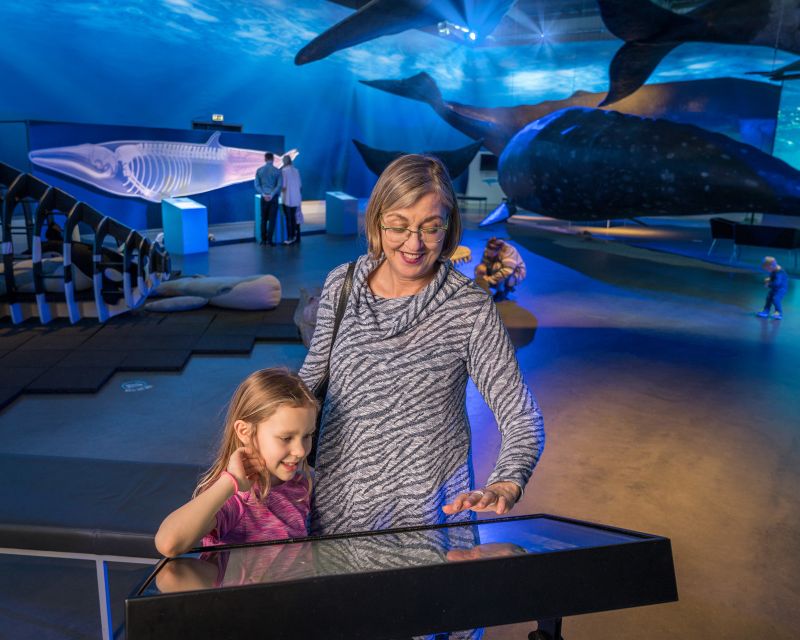
Information stands, videos, audio guides, and virtual reality headsets add different ways to learn. You can move at your own pace rather than relying only on the boat commentary. The atmosphere has been described as dreamy, and there is a café where you can sit with coffee and a pastry afterward.
Keep your expectations in the right place. This is an exhibition built around models, not a live aquarium or a traditional natural-history museum packed with many separate displays. One assessment found it interesting but fairly small, with the models doing most of the work. For many people, that is enough, especially when combined with the boat trip.
The museum offers two live-guided tours each day at 10:30 AM and 1:30 PM. These tours are free for ticket holders. If you want one, check that your boat timing allows you to attend. You can visit the museum before the boat or afterward, so the flexible order is useful.
How to arrange the two activities
You can choose whether to visit the exhibition before sailing or after returning to Reykjavík. That option is helpful if you prefer to start indoors, especially during the colder months, or if you want to see the real animals first and then study the models.
If your schedule allows, I would favor the boat first. The sea trip is the less predictable part, so it makes sense to give it your freshest attention. Afterward, the museum provides a warm, quiet place to make sense of what you saw.
The reverse order can work better if you need to fill time before a later boat departure. It also lets you learn the basic whale shapes and sizes before heading out. Just remember that the exhibition is at Fiskislod 23, while the boat meeting point is at the Old Harbor. Hotel transfers are not included, so you are responsible for getting between places.
Check the museum’s opening hours carefully if you have a flight or another tight appointment. One person arrived too late to make full use of the exhibition before leaving Iceland. The boat and museum are easy to combine, but the timing deserves attention.
Is $123 a fair price?
At $123 per person, this is not a cheap add-on. The value depends on how much you want the complete whale experience rather than a boat ride alone.
You are paying for a guided boat tour, thermal overalls, WiFi, the museum entrance, parking, multilingual museum support, and a return ticket if the tour produces no sightings. The return option matters because a wildlife trip has no guaranteed result. It does not replace the excitement of seeing whales on the first attempt, but it lowers the financial risk.
The guides also add value. Clear explanations help you understand what you are seeing, while humor keeps the long search from becoming dull. Shared trip photographs are available free through the operator, which can be useful when a whale surfaces too quickly for your own camera.
The package is strongest for families, first-time whale watchers, and anyone who wants both outdoor activity and an educational stop. If you only want a short boat ride and do not care about the museum, another option may suit you better. Here, the exhibition is a meaningful part of the ticket, not a minor extra.
Who will enjoy this experience most
I would recommend this outing to anyone who wants a reasonable chance of seeing Icelandic marine life without leaving Reykjavík for a full-day trip. It is also a good choice for children, since the excitement of spotting animals combines with models large enough to make an impression.
It suits curious visitors who like a guide to explain the difference between a minke whale, humpback, dolphin, and porpoise. The audio options at the museum make the indoor portion easier for visitors who do not speak English.
You should think twice if you dislike cold, wind, or waiting. Even a well-run trip may involve long stretches of scanning the sea. Wildlife does not perform on schedule, and the most dramatic outcomes are never assured.
The tour can also work for visitors with mobility needs, but early communication is wise because boarding involves a gangplank. The activity is wheelchair accessible, yet individual comfort and seating should be discussed before departure.
Final call: book it if you want the full picture
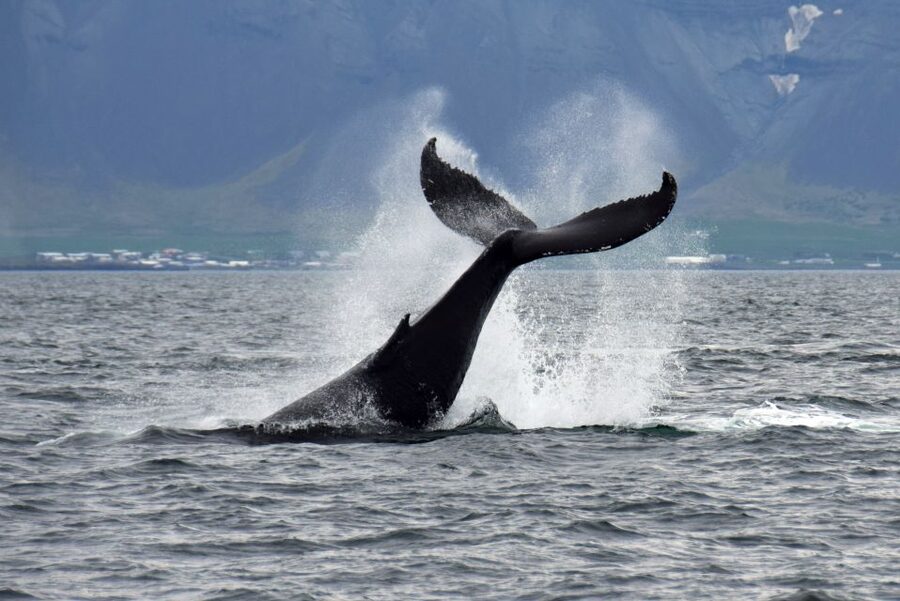
I would book this experience if you want more than a quick photo of a whale. The boat gives you the suspense of searching Faxaflói Bay, while the museum gives you time to understand the animals and their true size.
Choose April through September for the best general odds, though winter can still produce memorable encounters. Arrive early, dress in layers, take the supplied overalls, and leave room in your schedule for both sites. If seeing a whale is essential to your Iceland plans, the complimentary return ticket is an important reason to choose this package.
Skip it if your schedule is too tight for 3.5 hours, if you are unwilling to accept uncertain sightings, or if the museum’s model-based format does not interest you. For everyone else, the mix of sea, science, humor, and warm café time makes this a well-balanced Reykjavík outing.
FAQ
How long does the experience last?
The listed duration is 3.5 hours. The boat portion can take around three hours, with the remaining time used for the museum visit and transition between activities.
Where does the boat tour depart?
You meet at the local partner’s office for the tour and board in Reykjavík’s Old Harbor.
Where is the Whales of Iceland Exhibition?
The exhibition is located at Fiskislod 23 in Reykjavík.
Can I choose which activity comes first?
Yes. You can visit the museum before the whale-watching trip or go on the boat first.
What happens if I do not see any whales?
Wildlife sightings are not guaranteed. If you see nothing during your tour, you receive a complimentary ticket to visit again.
What languages are available?
The live boat guide speaks English. The museum audio guide is available in English, German, Icelandic, Chinese, Spanish, Portuguese, Japanese, French, Polish, and Finnish. German is also available as a second language on the Andrea from May 1 through September 30.
Are warm clothes provided?
Thermal overalls are provided, including children’s sizes. You should still bring warm, comfortable clothing and shoes, since the upper deck can be very cold and windy.
Fresh around Reykjavík
- Exclusive Snaefellsnes Peninsula Private Day Tour★ 4.0 · 3 reviews
- Tipsy in Reykjavik: Drink with a Viking (Food, Beer, Music)★ 5.0 · 3 reviews
- Sólheimajökull Glacier Hiking Tour★ 3.7 · 3 reviews
- Northern Lights 3 Hours Private tour★ 4.5 · 3 reviews
- Northern Lights Private Tour from Reykjavik★ 5.0 · 3 reviews
- From Reykjavik: Private South Coast Tour in Iceland★ 4.3 · 3 reviews
- Private Superjeep Tour To Landmannalaugar and Hekla Volcano★ 5.0 · 3 reviews
- Iceland’s south coast G spots★ 5.0 · 3 reviews
Whale Watching, compared.

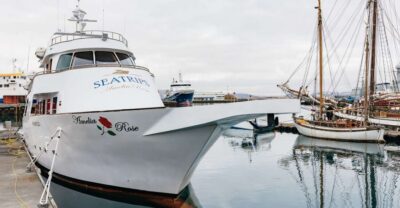
Whale Watching Cruise on the Amelia Rose Yacht
Read our review →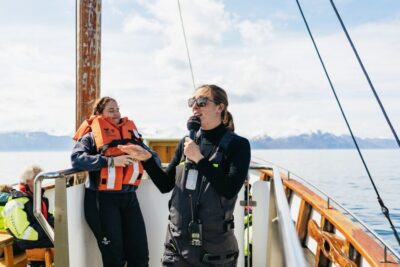
The Original Classic Whale Watching from Reykjavik
Read our review →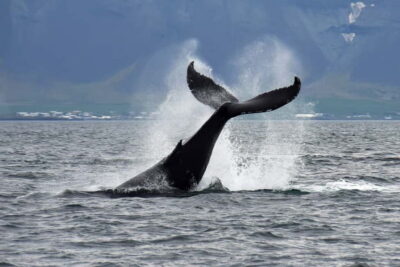
Traditional Whale Watching by Local Family Company
Read our review →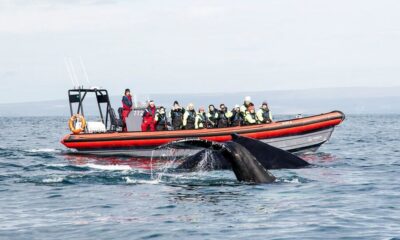
Browse the lists this tour appears in