
Reviewed · CITY TOURS
Reykjavik: World War II Walking tour around the city centre
History changes a city. This two-hour walk makes Reykjavik’s wartime story feel close and human, tracing the British landing in 1940 and the social changes that followed. I especially like the Old Harbour starting point in the story, where you see the exact place British forces came ashore, and the use of period photographs and video to compare wartime Reykjavik with the city you see today. The English-speaking guides also bring plenty of warmth, humor, and personality. Lucky, in particular, has been praised for mixing solid historical knowledge with funny stories and even a few ghost tales.
The main drawback is the weather. The tour runs in almost all conditions, and Iceland can feel cold even in summer. You will also spend two hours on foot, with benches at some stops but not all. The subject matter makes this a better choice for adults and older children, as it is not designed for children under 10.
In This Review
- Key points to know before you go
- Start at Austurvollur beside Hotel Borg
- The Old Harbour and the landing in May 1940
- Following the soldiers through Reykjavik Old Town
- The German Residence and a wider wartime picture
- Why the photographs and video matter
- A closer look at the social changes
- Walking conditions, weather, and comfort
- Is the $40 price fair?
- Who should book this Reykjavik walk?
- Should you book the World War II Walking Tour?
- FAQ
- Where does the World War II walking tour begin?
- Where does the tour end?
- How long does the tour last?
- What language is the tour in?
- What is included in the price?
- Are drinks or snacks included?
- Is the tour wheelchair accessible?
- What should I wear?
- Can children join the tour?
- Can I cancel the booking?
Key points to know before you go
- The Old Harbour marks the British landing site: The walk reaches the exact area where British forces arrived in Iceland in May 1940.
- Austurvollur is both the meeting point and finishing point: Wait outside Hotel Borg, not inside, then return here at the end.
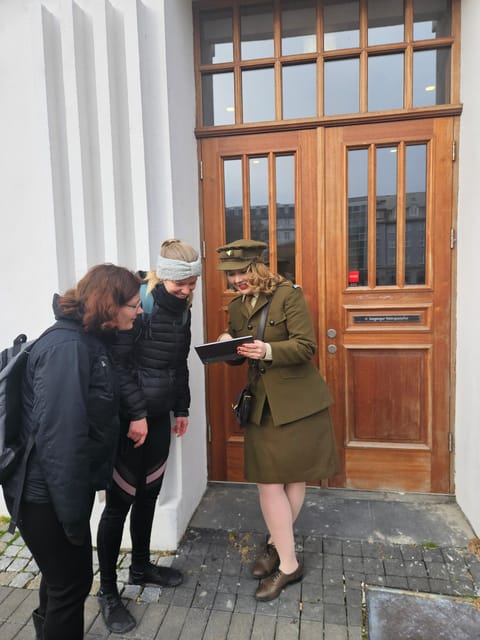
- Period photos and video make the past easier to picture: You can compare wartime scenes with modern Reykjavik streets.
- The tour covers social change, not only military events: Food, music, American influence, and everyday life all enter the story.
- Most of the route is flat and has no stairs: There is one small hill, and the tour is listed as wheelchair accessible.
- Dress for Icelandic weather: Comfortable shoes, rain gear, and warm outdoor clothing matter more than they might on a typical city walk.
Start at Austurvollur beside Hotel Borg
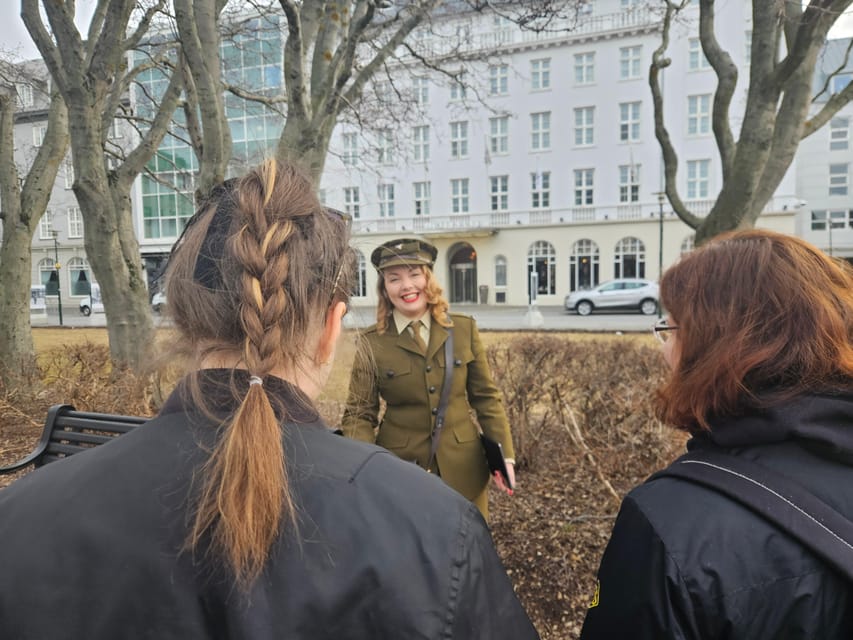
The tour begins at Austurvollur, Reykjavik’s Parliament Square, outside Hotel Borg. Make sure you wait outdoors rather than going into the hotel. This central location is easy to use as a first stop in the city because you begin among important civic buildings and can walk straight into Reykjavik’s older streets.
Austurvollur also gives the guide a useful place to set the scene. The story is not simply about soldiers arriving in a distant country. It is about a small capital suddenly dealing with foreign troops, new rules, unfamiliar customs, and a wartime role that changed the pace of daily life.
I like this beginning because it avoids starting with a long lecture. You meet the guide, get your bearings, and then follow the route toward the harbour. The walk itself becomes part of the lesson. Instead of hearing that troops moved into the city, you walk the same general path and see how close the harbour is to the centre.
The tour is conducted in English, and the guide leads the group through the city rather than keeping you in one fixed location. If you want the best chance of hearing every detail, stay close enough to the guide when the group pauses. City streets can be noisy, and some stops are more open than others.
More Walking Tours:
- Reykjavik Food Walk – Local Foodie Adventure in Iceland
★ 5.0 · 18,952 reviews - Reykjavík Small group Walking Tour – by CityWalk
★ 5.0 · 5,076 reviews - Reykjavik: Guided Foodie Walking Tour with 6 Tastings
★ 4.9 · 1,645 reviews
The Old Harbour and the landing in May 1940
The Old Harbour is the emotional center of the walk. Here, you see the place where British forces landed in Iceland in May 1940. The exact location matters because it turns a broad wartime subject into something physical. You are not merely hearing that Britain occupied Iceland. You are standing at the point where that event began.
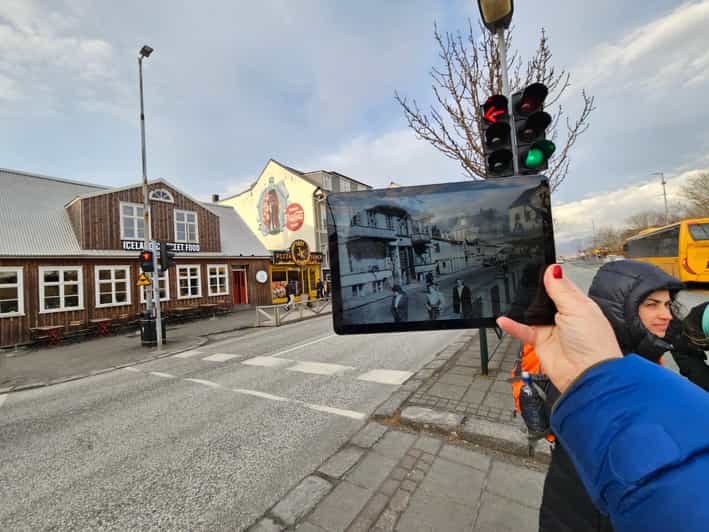
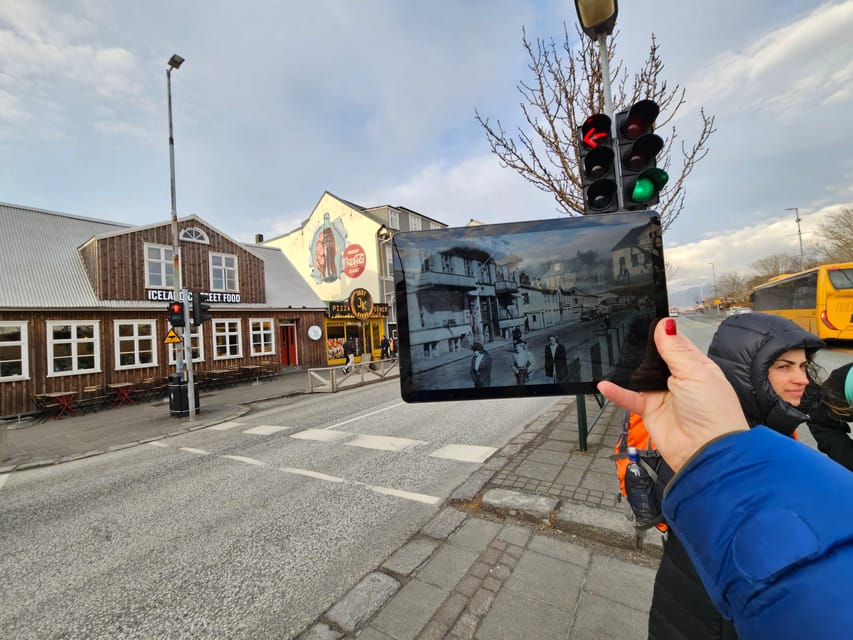
The guide uses old photographs and video to show how the harbour and the surrounding city have changed. This is one of the strongest features of the tour. Reykjavik today is easygoing and modern, but the images help you picture a much smaller city confronting a sudden military arrival.
The British invasion is also an unusual part of World War II history. Iceland was not a conventional battlefield in the same way as much of continental Europe, yet its position in the North Atlantic made it important. The walk explains that strategic side without making the whole experience feel like a lesson in military planning.
You can expect to pause at the harbour while the guide explains what happened and how the landing affected the capital. Bring a camera if you enjoy photographing places with a clear historical connection. You may also want a few minutes to look around before the group moves on, although the tour remains focused on the wartime story rather than general harbour sightseeing.
The harbour can be exposed to wind and rain. This is one reason the clothing advice should be taken seriously. A light jacket that works in a sheltered city street may not feel adequate near the water.
Following the soldiers through Reykjavik Old Town
From the harbour, the group follows the route taken by the soldiers toward the heart of Reykjavik. This part gives the tour a useful sense of movement. You see how an arrival at the edge of the city connected with the buildings and streets that mattered in the capital.
The Old Town is a good setting for this story because the route passes through the historic center rather than staying on wide modern roads. The guide points out key buildings that were taken over as British forces moved through the city. You may also be led along side streets that you would not notice on a standard first walk around Reykjavik.
The period images are especially useful here. A modern street can look ordinary until you see what stood there during the war, or how much open space and how few buildings the city once had. I like the contrast between the photographs and the present-day view. It gives you a quick way to understand the scale of Reykjavik at the time.
This section is not a museum visit. You will not be entering every building connected with the story, and the tour does not promise indoor exhibits. Its value comes from linking streets, buildings, and events while you walk. If you prefer physical places and a moving narrative to display cases, this format should work well.
There are no stairs on the route, and most of the walk is flat. One small hill takes you up and back down, so you should still wear shoes that feel steady on city pavements. Benches are available at several stops, but not at every pause. If standing for long periods is difficult, it is sensible to tell the guide at the beginning.
The German Residence and a wider wartime picture
The German Residence is one of the named stops, adding another layer to the story. The tour does not treat the British presence as the only important part of wartime Reykjavik. The German connection helps explain the political tension around Iceland and the competing interests surrounding the island.
This wider approach improves the walk. You get more than a simple account of British troops arriving and occupying buildings. The guide places the event within the larger war and shows that Reykjavik was connected to international events despite its small size.
The tour also discusses the American presence in Iceland. This is where the walk moves from military history into social history. Foreign troops brought new habits and influences, and the guide explains how American involvement affected what people ate and what music they danced to.
That detail is one of the most appealing parts of the experience. War is often taught through dates, commanders, and battles. In Reykjavik, the lasting effects also appeared in kitchens, dance halls, entertainment, and everyday contact between Icelanders and foreign personnel. You come away with a better sense of how occupation and military presence can alter a society without a traditional front line running through the city.
A guide may also adapt the conversation to the group. Lucky has been praised for being funny and for adding ghost stories when visitors showed an interest in them. That sort of flexibility can make the walk feel personal rather than fixed from beginning to end. Still, the main focus remains World War II, so you should not book this expecting a general ghost tour or a broad survey of every period of Icelandic history.
A few more trips people compare before booking
- Reykjavik: Golden Circle Full-Day Tour with Kerid Crater
★ 4.8 · 24,485 reviews - Iceland: Northern Lights Bus Tour from Reykjavik
★ 4.1 · 11,161 reviews - Reykjavík: South Coast Waterfalls, Black Sand & Glacier Tour
★ 4.8 · 11,030 reviews - Reykjavík: Whale Watching and Marine Life Cruise
★ 4.6 · 9,838 reviews
Why the photographs and video matter
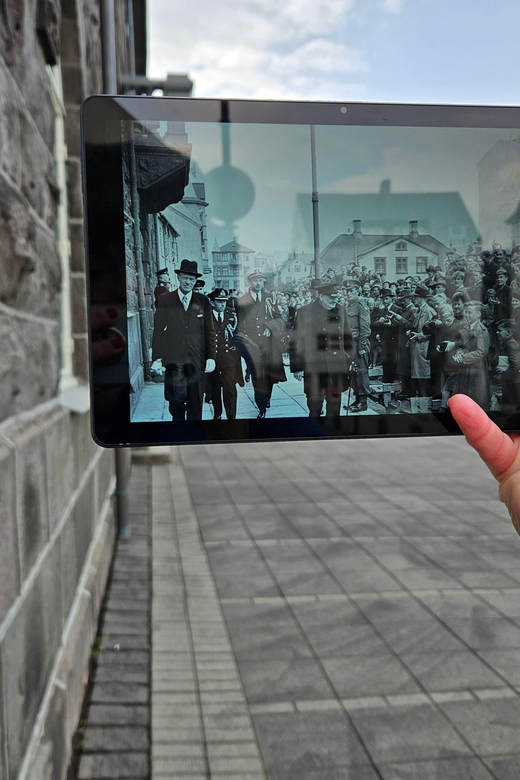
The city’s present appearance can make wartime Reykjavik difficult to imagine. Period photographs solve that problem quickly. When the guide holds up an old view and lets you compare it with the street in front of you, the city becomes a visual timeline.
The video adds another kind of evidence. Moving images can show people, uniforms, vehicles, and city activity in a way that a spoken description cannot. These materials also help if you do not already know much about Iceland during World War II.
I find this approach more useful than a walk that simply points at a building and announces its historical role. You are given a visual reference, then asked to look at the modern surroundings. That makes you pay attention to details such as the shape of a street or the position of a building.
The quality of the experience will still depend on the guide’s delivery. The strongest feedback has praised guides for their passion, friendliness, and ability to explain Icelandic history clearly. One guide was singled out for combining humor with a strong command of the subject. Those qualities matter on a two-hour walking tour because a dry presentation would make even an unusual story feel flat.
A closer look at the social changes
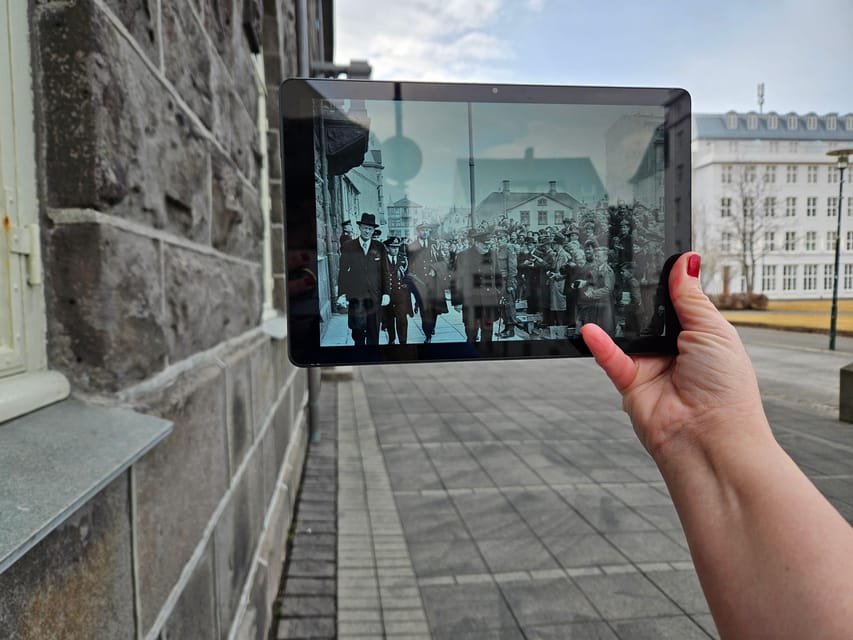
The American influence section gives the tour its most distinctive angle. Many city walks stop after describing troop movements and important buildings. This one asks what happened to Icelandic society when thousands of foreign personnel and new cultural habits entered the picture.
Food and music are easy subjects to relate to, even if you are not a military history enthusiast. You may already know Reykjavik as a modern capital with a strong music culture and a distinctive food scene. The tour connects some of those everyday experiences with the changes brought by wartime foreign contact.
The guide also discusses the difference between the British and American presence. The supplied details do not set out every subject covered, so you should expect a general explanation rather than a specialist academic lecture. Still, the social angle gives you something to think about as you continue sightseeing in Iceland.
This part may be especially useful if you are visiting Reykjavik with someone who is less interested in battles and military strategy. A companion who enjoys food, music, local customs, or social history may find this material more engaging than a purely military account.
Walking conditions, weather, and comfort
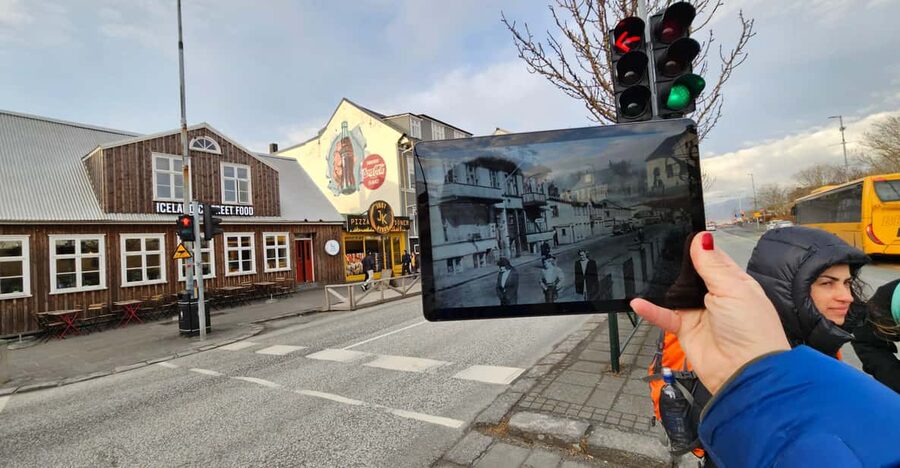
The route lasts two hours and takes place outdoors. That sounds manageable, but Icelandic weather can change the feel of the experience. The tour operates in almost all weather, so bring rain gear and wear outdoor clothing even if the forecast looks mild.
Comfortable shoes are essential. The route is mostly flat, but you do go up and down a small hill. There are no stairs, and the tour is listed as wheelchair accessible. Benches appear at several stops, but the walk is not designed around seating at every location.
You should also bring a camera. The period images are part of the experience, and the route gives you a chance to photograph the harbour, Old Town streets, and the city’s historic buildings. You may not be able to photograph every image or video shown by the guide, but your own camera helps you record the places connected with the story.
The tour is not suitable for children under 10 because of the subject matter. If you want to bring younger children, a private tour can be arranged with the material adjusted for them. That option may suit families who want the route but need a gentler presentation.
Is the $40 price fair?
At $40 per person, this is not the cheapest way to walk around central Reykjavik. You can explore the streets on your own without paying an admission fee. The value here comes from the guide’s interpretation, the route through lesser-noticed side streets, and the period photographs and video.
I think the price is fair if you want a focused experience rather than a general orientation walk. You are paying for two hours of local explanation, not transportation or food. Snacks and drinks are not included, so plan to buy those separately if you need them.
The tour is also a good use of time early in your stay. It takes place in the city center and ends where it begins, so you can continue sightseeing, return to your accommodation, or find a cafe afterward. Because the route is compact, you do not lose half a day getting to an outlying site.
The strongest value comes for people who are genuinely curious about Iceland’s wartime role. If you have no interest in World War II, the military story may not justify the price. In that case, a general city walk could be a better match.
Who should book this Reykjavik walk?
I would choose this tour if you want to understand how global events affected a small capital. It suits history fans, adults, older children, and anyone who likes seeing a city through old photographs and local stories.
It is also a good pick for repeat visitors. If you have already seen Reykjavik’s main sights, following the British route gives you a new reason to look at familiar streets. The German Residence and the Old Harbour add specific points to seek out, while the social history gives ordinary places more meaning.
You should think twice if you dislike walking in poor weather, need a seat at every stop, or want a fully indoor activity. The guide can adapt the conversation, but this remains an outdoor walk in Iceland.
The tour is led in English, and free cancellation is available up to 24 hours before the start for a full refund. You can also reserve now and pay later, which helps if your Iceland plans are still shifting. Check the available starting times before booking.
Should you book the World War II Walking Tour?
Book it if you want a compact, thoughtful look at Reykjavik’s wartime past, especially the British landing, the American presence, and the changes in food and music that followed. The period images, Old Harbour setting, and friendly guide style give the two hours real purpose.
Skip it if you are seeking a broad introduction to Iceland, a food tour, or a fully sheltered sightseeing activity. For the right audience, $40 buys more than a walk through the center. It gives you a way to read Reykjavik’s streets with new eyes, provided you bring warm clothes and an interest in the subject.
FAQ
Where does the World War II walking tour begin?
The tour begins outside Hotel Borg at Austurvollur, also called Parliament Square. You should wait outside the hotel rather than inside.
Where does the tour end?
The walk ends back at the meeting point outside Hotel Borg.
How long does the tour last?
The walking tour lasts two hours. Starting times vary, so check availability when you plan your visit.
What language is the tour in?
The live tour guide speaks English.
What is included in the price?
The price includes a two-hour, history-focused walking tour of Reykjavik city center, an English-speaking guide, and access to side streets in the center that you might not find on your own.
Are drinks or snacks included?
No. Drinks and snacks bought during the walk are not included.
Is the tour wheelchair accessible?
Yes. The tour is listed as wheelchair accessible. Most of the route is flat, there are no stairs, and the walk includes one small hill.
What should I wear?
Bring comfortable shoes, rain gear, and suitable outdoor clothing. The tour runs in almost all weather, and Iceland can feel cold even during summer.
Can children join the tour?
The tour is not suitable for children under 10 because of the subject matter. A private version can be arranged for families who want younger children to attend with adjusted material.
Can I cancel the booking?
Yes. You can cancel up to 24 hours in advance for a full refund. You can also reserve now and pay later.
Fresh around Reykjavík
- Tipsy in Reykjavik: Drink with a Viking (Food, Beer, Music)★ 5.0 · 3 reviews
- Exclusive Snaefellsnes Peninsula Private Day Tour★ 4.0 · 3 reviews
- Sólheimajökull Glacier Hiking Tour★ 3.7 · 3 reviews
- Northern Lights 3 Hours Private tour★ 4.5 · 3 reviews
- Northern Lights Private Tour from Reykjavik★ 5.0 · 3 reviews
- From Reykjavik: Private South Coast Tour in Iceland★ 4.3 · 3 reviews
- Private Superjeep Tour To Landmannalaugar and Hekla Volcano★ 5.0 · 3 reviews
- Iceland’s south coast G spots★ 5.0 · 3 reviews
City Tours, compared.
City Sightseeing Reykjavik Hop-On Hop-Off Bus Tour: 24 or 48-Hour
Read our review →
3,5-Hour Sightseeing Tour To Dynjandi Waterfall
Read our review →
Airport Transfer in Iceland from Keflavik Airport to Reykjavik City With Hotel Drop Off
Read our review →
City Walking tour in Small Group with Local Guide
Read our review →Browse the lists this tour appears in