
Reviewed · MUSEUMS
Saga Museum – Entrance ticket
Viking stories come alive here. The Saga Museum in Reykjavik’s old harbour uses lifelike wax figures, full-size scenes, and an audio guide to introduce you to Iceland’s early settlers, famous saga figures, and darker chapters such as the Black Death. It is a compact museum, but it gives you useful context before you visit historic sites elsewhere in Iceland.
I like the remarkably realistic figures, which make the scenes easy to follow, and I like the choice of audio languages, including English, French, German, Russian, Spanish, Swedish, and Icelandic. The chance to dress as a Viking and handle replica weapons adds fun for families. The main consideration is size: you may finish in 45 minutes, so the $32 admission makes the most sense if you value a focused introduction rather than a large museum visit.
In This Review
- Key things to know before you go
- Entering Reykjavik’s old harbour museum
- Meeting Iceland’s early settlers and saga figures
- Why the lifelike figures work so well
- Using the audio guide without rushing
- The darker side of Iceland’s past
- Trying on Viking clothing and handling replica gear
- How long the visit really takes
- Is the $32 price fair?
- Who will enjoy the Saga Museum most?
- Useful planning details for your Reykjavik day
- Should you book the Saga Museum?
- FAQ
- Where is the Saga Museum located?
- What are the opening hours?
- How long does a visit take?
- Is an audio guide included?
- Is there an alternative to the audio guide?
- Are children admitted free?
- Can I cancel for a full refund?
Key things to know before you go
- Expect roughly 18 to 20 lifelike scenes covering Icelandic settlement, saga figures, conflict, and disease.
- Leif Eiriksson, Snorri Sturlusson, and Ingolfur Arnarson are among the historical figures presented.
- The audio guide is available in seven languages, with a printed booklet offered at the front desk.
- Viking costumes, armour, and weapons give children and adults a simple hands-on moment.
- Plan on 45 minutes to one hour, though the stated visit length is approximately one to two hours.
- The museum is open daily from 10:00 a.m. to 5:00 p.m. in Reykjavik’s old harbour area.
Entering Reykjavik’s old harbour museum
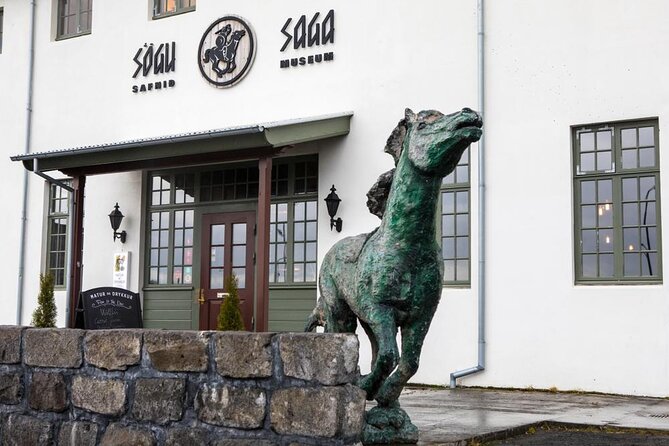
The Saga Museum sits in the old harbour area, making it an easy addition to a day spent around central Reykjavik. You are not buying a guided bus excursion here. Admission covers entry to the museum, while transportation to and from the site is your responsibility.
The museum is open every day from 10:00 a.m. to 5:00 p.m. It is near public transportation and includes free parking, useful details if you are combining it with a driving day or arriving by bus. Since there is no scheduled departure time, you can fit the visit around lunch, harbour sightseeing, or another central Reykjavik stop.
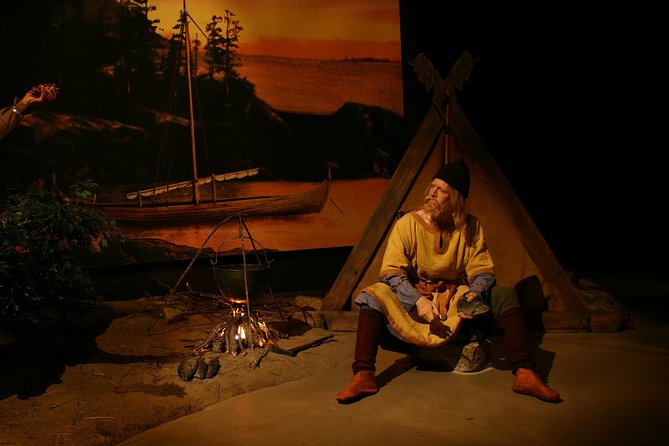
The atmosphere is more theatrical than archaeological. Instead of walking through cases filled with old objects, you move past staged scenes populated by life-size figures. That choice makes the museum accessible, especially if you do not already know the names and events found in Icelandic sagas.
You should not expect a major collection of original artefacts. One useful criticism is that the museum relies heavily on static displays and could feel more current with virtual or three-dimensional features. Its strength is storytelling, not a large collection of historical objects.
More Museum Visits in Reykjavík
- Reykjavik: Perlan Museum Wonders of Iceland Entrance Ticket
★ 4.7 · 2,575 reviews - Reykjavík: Hop-On Hop-Off Bus and Perlan Museum Entry Ticket
★ 4.3 · 719 reviews - Reykjavik: Whales of Iceland Museum Entrance Ticket
★ 4.4 · 493 reviews
Meeting Iceland’s early settlers and saga figures
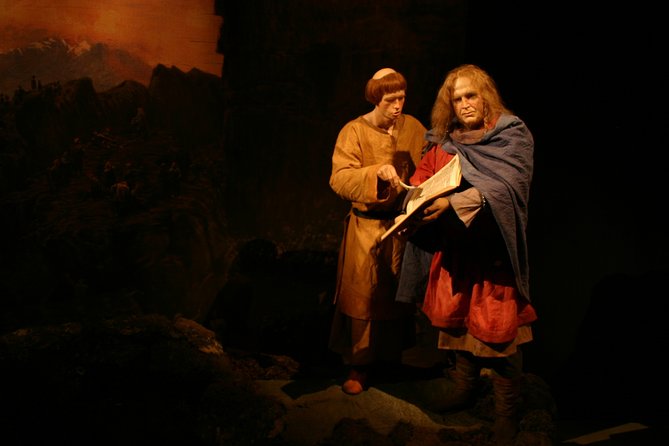
The museum introduces several people who shaped Icelandic history and literary tradition. Leif Eiriksson, often known as Leif the Lucky, is included, as are Snorri Sturlusson and Ingolfur Arnarson.
These names matter because Iceland’s past is often encountered through the sagas, a mix of family history, political conflict, genealogy, and storytelling written down centuries after the settlement period. If those names are new to you, the figures give you a face and setting to attach to them.
Snorri Sturlusson is especially important to Icelandic culture. He was a poet, historian, and political figure whose work helped preserve Norse myths and saga traditions. Seeing him presented as a person rather than as a name in a book makes the wider subject easier to grasp.
Ingolfur Arnarson is associated with Iceland’s early settlement and Reykjavik’s beginnings. The museum’s setting in Reykjavik gives that part of the story a nice connection to the city outside. You are learning about the origins of the place while standing in its modern capital.
Leif Eiriksson adds a wider North Atlantic connection. His story places Iceland within the larger Viking world, linking the island to voyages, exploration, and settlement far beyond its shores. The museum uses these figures to show that Iceland was not an isolated footnote, but part of a much larger network.
Why the lifelike figures work so well
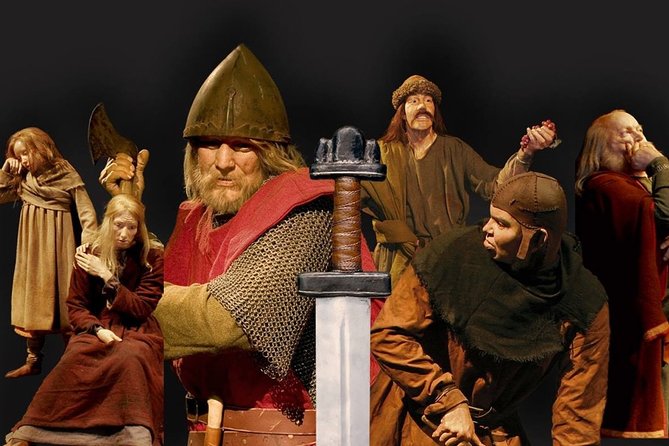
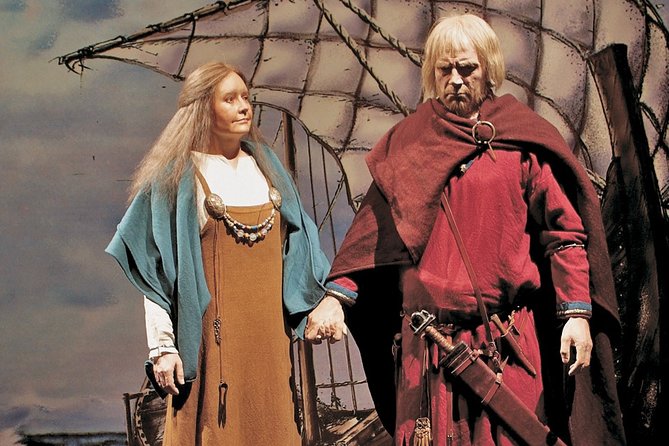
The strongest feature is the quality of the figures. They are made to look almost startlingly real, especially the eyes and facial expressions. In some scenes, you may find yourself expecting a figure to move.
That realism gives each display a clear emotional tone. A scene of conflict feels tense. A domestic or settlement scene feels more personal. You do not need to read a long wall of text before understanding what the museum wants you to notice.
The displays also help children stay interested. Viking history can become a blur of unfamiliar names, but a full-size figure holding a weapon or standing inside a recreated scene gives younger visitors something concrete to watch and discuss. Some children may find the realistic figures slightly unsettling at first, so families with very young children should be prepared for that possibility.
The museum has about 20 exhibits today, although some descriptions place the number closer to 18. Either way, this is a short, tightly focused route rather than a sprawling complex. You can take your time at each scene without worrying that you have another hour of galleries ahead.
A small bonus exhibit adds a touch of humour. That lighter moment helps keep the museum from feeling too solemn. Icelandic saga material includes violence, revenge, and tragic endings, so a bit of comic relief is welcome.
Using the audio guide without rushing
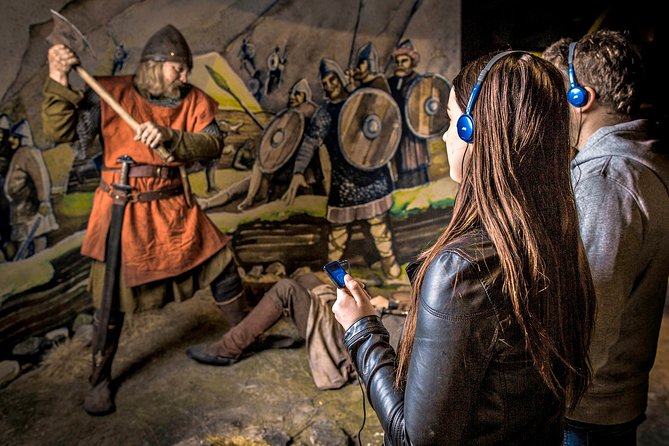
Your admission includes an audio guide. The available languages are Icelandic, English, French, German, Russian, Spanish, and Swedish. That makes the museum accessible to a wide range of visitors and gives you more than the basic visual experience.
The audio commentary explains the individual scenes and provides the background needed to understand them. English speakers should find the format particularly useful because the figures themselves do not tell you who they are or why the moment matters.
A booklet is also available at the front desk as an alternative to the audio device. That may suit you if you prefer reading at your own pace, want to share information with a child, or find audio narration less convenient.
One practical tip is to allow time for the audio rather than treating the museum as a quick walk-through. A commonly reported visit length is about 30 to 45 minutes, but you can spend longer if you pause at every display, use the commentary carefully, and try the dress-up area.
The audio guide also helps solve one of the museum’s possible weaknesses. Static scenes can become repetitive if you only glance at them. The narration supplies the names, connections, and events that turn each tableau into part of a larger story.
More Tickets in Reykjavík
- Small-Group Golden Circle, Blue Lagoon with Ticket & Kerid Crater
★ 5.0 · 5,631 reviews - Reykjavik: FlyOver Iceland Entry Ticket
★ 4.7 · 3,499 reviews - Reykjavik: LAVA SHOW – Immersive Experience Entry Ticket
★ 4.8 · 3,360 reviews - Lava Show Reykjavik Admission Ticket – Optional Premium Upgrade
★ 5.0 · 3,278 reviews
The darker side of Iceland’s past
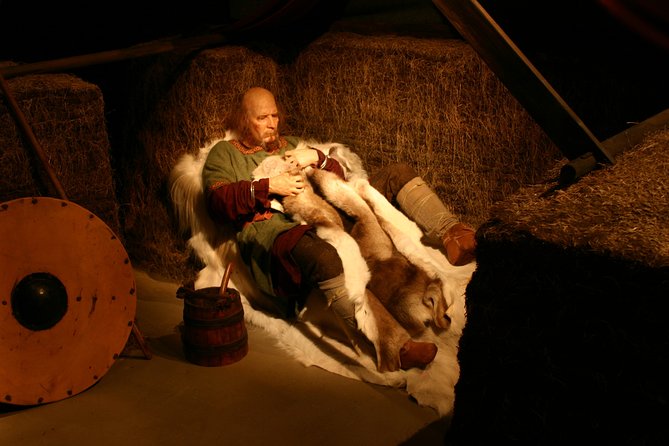
The museum does not present Viking life as all adventure and heroic voyages. One section covers the Black Death, described here as one of the most devastating pandemics in human history, with an estimated death toll of 75 to 200 million people.
This subject changes the mood. It also gives you a more honest picture of the challenges faced by Iceland and the wider medieval world. Disease, hardship, violence, and survival were part of daily life alongside exploration and poetry.
For some children, the display may be a little heavy. For older children and adults, it adds welcome depth. You are not simply being shown strong warriors and famous explorers. You are also being reminded how vulnerable communities were to forces they could not control.
The museum’s compact format works well for this section. You receive enough information to understand why the Black Death mattered, without turning the visit into a long academic lecture. If you want a detailed study of medieval disease, this will not be enough on its own. If you want a clear introduction before exploring more of Iceland, it does the job.
Trying on Viking clothing and handling replica gear
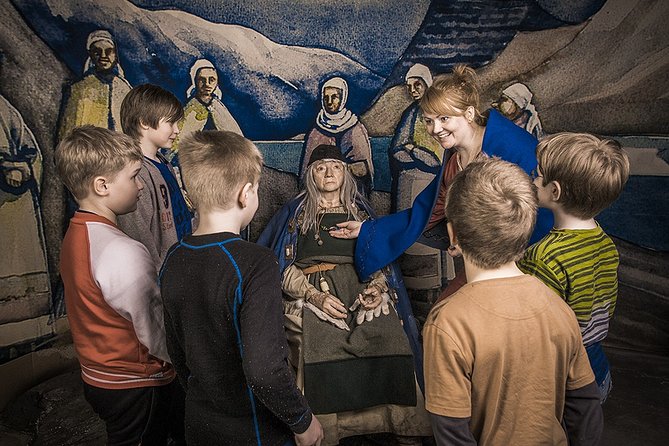
The museum gives you the opportunity to dress as a Viking and try Viking weapons and armour. This is one of the simplest features, but it can make the visit more memorable.
For children, it turns passive sightseeing into an activity. Adults may enjoy it too, particularly if you want a playful photograph or a brief break from listening to historical narration. It also helps you think about the weight and appearance of the equipment shown in the displays.
You should keep your expectations realistic. This is not a full reenactment program or a long workshop. The hands-on element is an extra part of the museum visit, not the main event.
Still, it adds value to an admission ticket that otherwise depends on viewing figures and listening to commentary. Families may find that this small activity is what keeps younger children engaged through the historical sections.
How long the visit really takes
The official visit length is approximately one to two hours, but many people will complete the main route in about 45 minutes. The difference depends on how closely you listen to the audio guide, how long you spend at each figure, and whether you stop for the costumes and replica gear.
I would plan one hour as a comfortable target. That gives you enough time to move through the displays without rushing and leaves a little room for the bonus exhibit and the front desk. If you are combining the museum with other harbour stops, a 45-minute visit may be enough.
The short duration is both an advantage and a limitation. It is easy to fit into a busy Reykjavik schedule, especially on a day when the weather is poor. It will not occupy an entire afternoon, so you should pair it with another attraction rather than treating it as your only major activity.
The museum has a maximum group size of 50, although your actual experience may feel smaller depending on how many people arrive at the same time. A visit during a quieter period can make it easier to hear the audio and spend time at the figures without feeling crowded.
Is the $32 price fair?
Admission costs $32 per person. Children under six enter free, which improves the value for families with toddlers or preschool-age children.
For an adult who spends only 30 minutes inside, the price may feel high. Reykjavik is an expensive city, and you will want to consider how much you value a polished, self-guided presentation compared with a longer museum containing original artefacts.
The price becomes easier to justify if you use the full experience. Listen to the audio guide, examine the scenes closely, read the booklet if you prefer, and allow time for the Viking clothing and equipment. The museum is not just a room of statues. It offers a structured introduction to Icelandic settlement, important figures, saga culture, and the Black Death.
Families may get particularly good value because the figures are visual, the visit is short enough for children, and the costumes offer something active. History fans who already know the sagas may find less new material, but the realistic scenes can still make familiar stories more vivid.
The museum also works well as a first stop. Afterward, you may recognize names and themes that appear in other parts of Iceland. That added context can make later visits to historic sites feel less disconnected.
Who will enjoy the Saga Museum most?
I would recommend the museum most strongly to families, first-time visitors to Iceland, and anyone who wants a manageable introduction to Viking-era stories.
It suits you if you prefer:
- A self-guided visit rather than a scheduled group tour
- A visual presentation with lifelike figures
- Clear historical storytelling in your own language
- A short indoor activity in Reykjavik
- A museum with a small hands-on element
- An introduction to saga figures before visiting other sites
It may be less satisfying if you want original archaeological objects, extensive written scholarship, or a museum large enough to fill several hours. The displays are static, and the subject is presented in a theatrical style.
The museum is also a good option for a mixed-age group. Adults can listen to the historical background while children focus on the figures, weapons, armour, and costumes. Because most people can participate and the visit is indoors, it is a practical choice when you want something simple and flexible.
Useful planning details for your Reykjavik day
You can book a mobile ticket and receive confirmation at the time of booking. The ticket is offered in English, while the on-site audio guide supports seven languages.
Admission includes taxes, fees, and handling charges. Parking is free, and the museum is near public transportation. Transportation to the museum is not included, so you need to make your own way to the old harbour.
The listed opening hours are 10:00 a.m. to 5:00 p.m., Monday through Sunday. Since the museum is open daily, you can use it as a morning visit, an afternoon stop, or a weather backup.
Free cancellation is available if you cancel at least 24 hours before the experience start time. Changes or cancellations made less than 24 hours in advance do not qualify for a refund, and the cut-off follows local time.
Should you book the Saga Museum?
Book it if you want a compact, entertaining introduction to Iceland’s early history and you enjoy museums that use lifelike scenes rather than large collections of objects. The realistic figures, strong audio guide, and Viking dress-up area make the visit more engaging than a simple display of text panels.
At $32, I would not choose it as an all-day attraction. I would add it to a Reykjavik walking day, especially if you are already visiting the old harbour or need an indoor activity. Families should give it serious consideration, while dedicated museum fans may want to compare the short duration with the admission price.
My practical advice is to allow about an hour, use the audio guide, and treat the museum as a focused introduction rather than a complete study of Viking Iceland. If that sounds like the kind of history lesson you want, the Saga Museum earns its place on your itinerary.
FAQ
Where is the Saga Museum located?
The museum is in Reykjavik’s old harbour area.
What are the opening hours?
The Saga Museum is open every day from 10:00 a.m. to 5:00 p.m.
How long does a visit take?
The stated duration is approximately one to two hours. Many people complete the main visit in about 30 to 45 minutes, while listening carefully and spending time with the activities can make it longer.
Is an audio guide included?
Yes. Admission includes an audio guide, available in Icelandic, English, French, German, Russian, Spanish, and Swedish.
Is there an alternative to the audio guide?
Yes. You can purchase a booklet at the front desk instead.
Are children admitted free?
Children under six receive free admission.
Can I cancel for a full refund?
Yes, if you cancel at least 24 hours before the experience start time. Cancellations or changes made less than 24 hours in advance are not refunded.
Fresh around Reykjavík
- Exclusive Snaefellsnes Peninsula Private Day Tour★ 4.0 · 3 reviews
- Tipsy in Reykjavik: Drink with a Viking (Food, Beer, Music)★ 5.0 · 3 reviews
- Sólheimajökull Glacier Hiking Tour★ 3.7 · 3 reviews
- Northern Lights 3 Hours Private tour★ 4.5 · 3 reviews
- Northern Lights Private Tour from Reykjavik★ 5.0 · 3 reviews
- Private Superjeep Tour To Landmannalaugar and Hekla Volcano★ 5.0 · 3 reviews
- From Reykjavik: Private South Coast Tour in Iceland★ 4.3 · 3 reviews
- Iceland’s south coast G spots★ 5.0 · 3 reviews
Museums, compared.
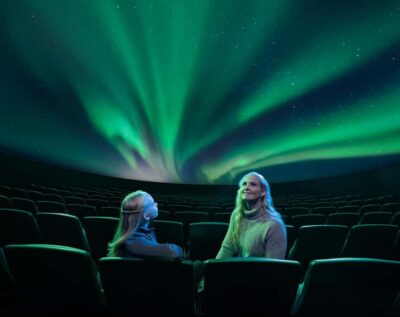
Perlan Museum Wonders of Iceland Entrance Ticket
Read our review →
Hop-On Hop-Off Bus and Perlan Museum Entry Ticket
Read our review →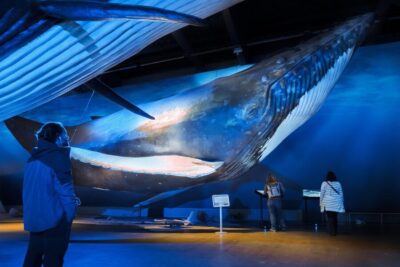


Aurora Reykjavík, The Northern Lights Center Museum Visit
Read our review →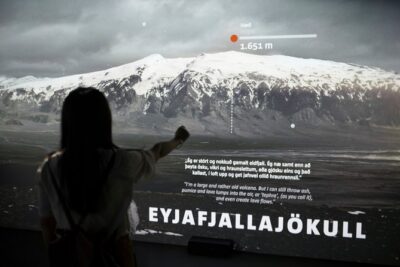
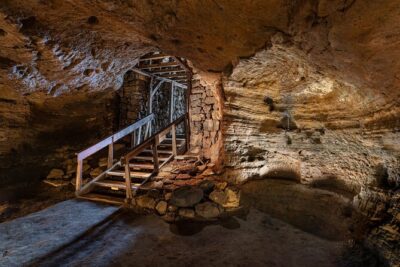
Ancient Historical Site Tour at the Caves of Hella
Read our review →
Browse the lists this tour appears in