
Reviewed · VOLCANO & LAVA TOURS
Volcano Exhibition and Cinema – Lava Centre Iceland
Volcanoes explain much of Iceland. At the LAVA Centre, I like the hands-on displays and the strong cinema film showing recent eruptions around Grindavík and the Blue Lagoon. I also like the observation deck, where four large volcanoes and volcanic islands give the science a real-world setting. The main drawback is simple: at $42 per person, you may find the visit brief if you rush through it. Plan on about an hour or more to get good value.
This is a smart stop in South Iceland, especially if rain or wind makes outdoor sightseeing less pleasant. The exhibits explain why Iceland has black sand, geysers, colorful mountains, and frequent earthquakes without turning the visit into a dry classroom lecture. You will need to read and watch your way through the centre, so it suits curious adults, families, and anyone who wants context before seeing Iceland’s volcanic regions.
In This Review
- Key points at a glance
- Why the LAVA Centre makes sense in South Iceland
- Starting with Iceland’s fiery origin
- The Trembling Earth and a simulated earthquake
- Magma Learning Center: from molten rock to volcanic debris
- The cinema brings recent eruptions close
- Four volcanoes from the Local Volcano section
- What families can expect
- Accessibility, language, and practical comfort
- How long should you allow?
- Who will get the most from the $42 price?
- Should you book the LAVA Centre?
- FAQ
- Where is the LAVA Centre located?
- What does admission include?
- How much does the experience cost?
- How long is the visit?
- What volcanoes can you see?
- Is the LAVA Centre wheelchair accessible?
- What languages are available?
Key points at a glance
- See the forces beneath Iceland: Displays explain the meeting of diverging tectonic plates and a hot spot beneath the country.
- Watch recent eruptions on the big screen: The cinema covers eruptions at Grindavík and near the Blue Lagoon.
- Feel a simulated earthquake: The Trembling Earth section lets you experience the shaking safely.
- Look toward four major volcanoes: The viewing deck and Local Volcano section point toward Eyjafjallajökull, Katla, Hekla, and volcanic islands.
- Learn the difference between magma, lava, and tephra: The explanations turn familiar Icelandic sights into understandable geology.
- Good for families and wheelchair users: Wheelchairs are supported, and ear muffs, flashlights, and teddy bears are available for young children.
Why the LAVA Centre makes sense in South Iceland
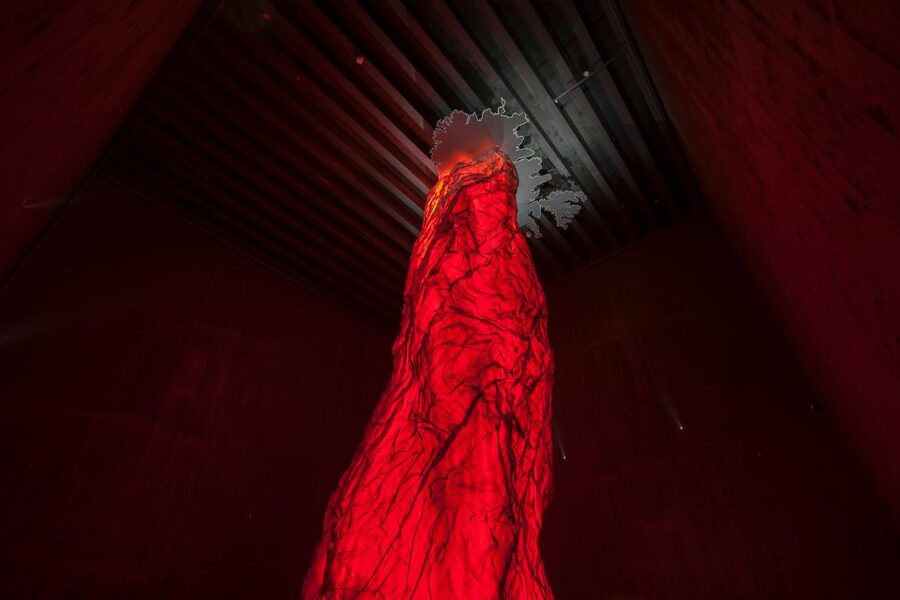
The LAVA Centre is not simply a display of dramatic eruption photographs. Its purpose is to explain how Iceland was formed and why its natural features keep changing. The centre sits in the Southern Region with views toward some of the country’s best-known volcanoes, so the subject is right outside the windows.
I like that the visit connects several parts of an Iceland trip. Black beaches, steaming ground, geysers, lava fields, and brightly colored mountains can seem like separate attractions when you first see them. Here, you learn that they are related results of moving plates, rising magma, eruptions, ice, and water.
The setting also gives the visit useful timing flexibility. You can stop here during a day of sightseeing in the south, use it as an indoor break during poor weather, or visit before heading toward volcanic areas. The attraction is valid for one day, and starting times can be checked when you reserve.
At $42, this is not a throwaway stop. Iceland’s admission prices can add up quickly, so I would choose the LAVA Centre when you want a proper explanation of the country’s geology rather than another quick viewpoint. If you only have time for a short photo stop, the price may feel high. If you spend an hour moving through the displays, watch the film, and use the observation deck, the value is easier to see.
More Volcano and Lava Tours:
- Reykjavik: Golden Circle Full-Day Tour with Kerid Crater
★ 4.8 · 24,485 reviews - Small-Group Golden Circle, Blue Lagoon with Ticket & Kerid Crater
★ 5.0 · 5,631 reviews - Reykjavik: Golden Circle, Kerid Crater, & Blue Lagoon Tour
★ 4.9 · 4,351 reviews
Starting with Iceland’s fiery origin
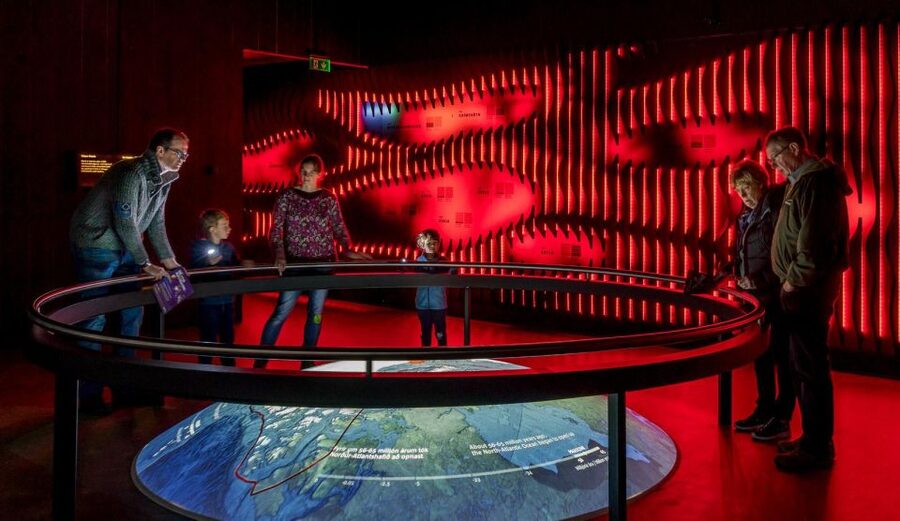
The visit takes you through the geological story of Iceland. The central idea is the country’s position along diverging tectonic plate boundaries, where plates move apart and magma rises from below.
The centre also explains the role of a mantle plume, or hot spot, beneath Iceland. It is located in the central highlands and helps account for the large amount of volcanic activity found here. You do not need a geology background to follow the basic story. The displays use models, videos, artwork, and interactive stations to show what is happening below your feet.
This section is useful because it gives you a framework for the rest of the visit. Once you understand that magma can rise through cracks created by plate movement, Iceland’s volcanoes seem less random. The country’s hot springs, fresh lava, and earthquake activity begin to fit together.
The centre discusses Iceland’s 30 volcanic systems and the different types of volcanoes within them. That variety matters. Iceland is not shaped by one single kind of eruption, and the volcanic structures you see across the country can form in different ways.
The Trembling Earth and a simulated earthquake
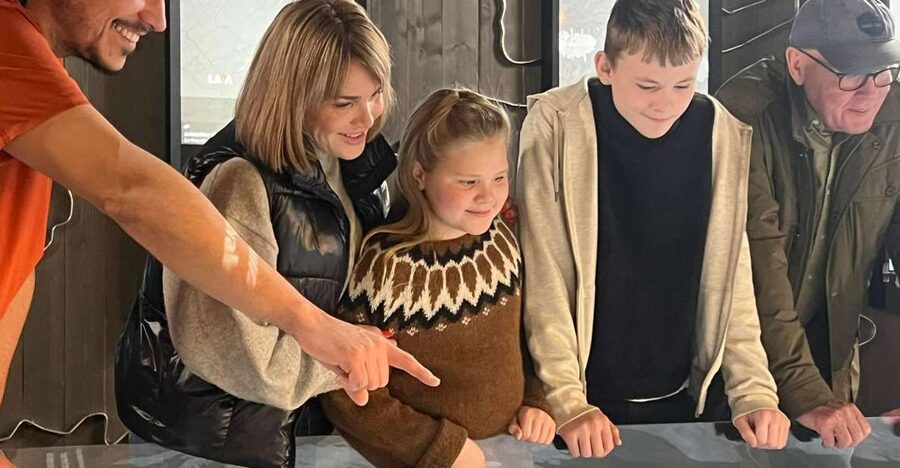
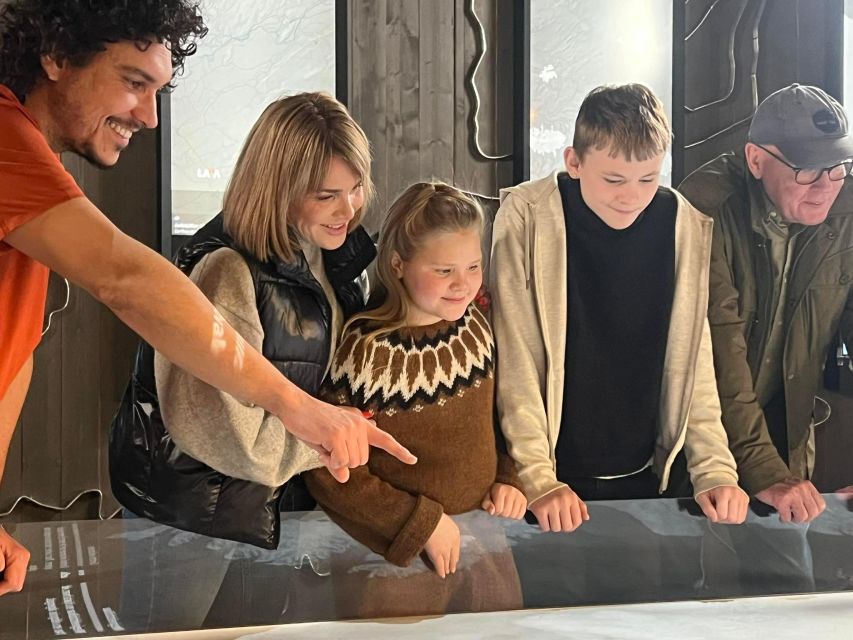
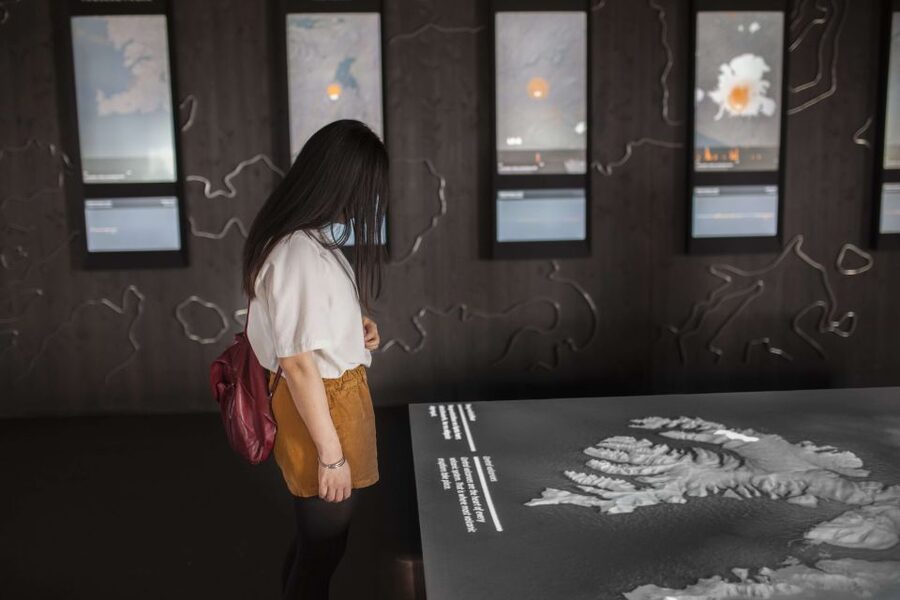
The Trembling Earth section focuses on earthquakes. Diverging plates and rising magma create frequent seismic activity, and the displays show how those forces interact.
A live earthquake map helps you see where movement is taking place. This is more useful than a simple statement that Iceland has earthquakes because it gives the subject a present-tense quality. You are not just studying old eruptions. You are looking at an active country.
The earthquake simulator adds a physical moment to the explanation. You can experience shaking in a controlled setting, which helps explain why even a moderate earthquake can feel unsettling. For children, this is likely to be one of the most memorable stations. For adults, it makes the science easier to picture.
I would take a little time here rather than treating the simulator as a quick novelty. The point is not just the shaking. It is the link between plate movement, magma, and the hazards that shape life in Iceland.
Magma Learning Center: from molten rock to volcanic debris
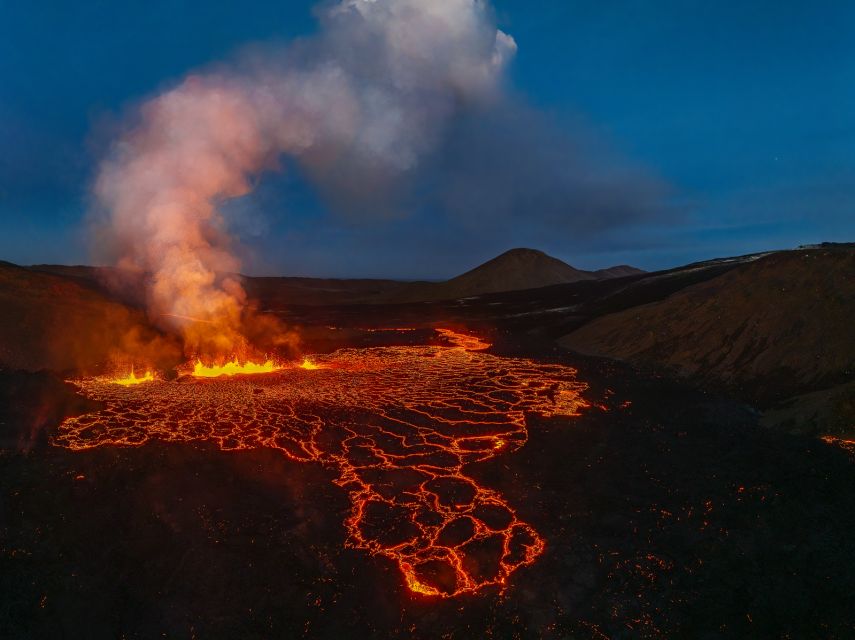
One of the most useful science lessons is the difference between magma and lava. Magma is gaseous molten rock below or within the earth’s crust and mantle. Once it is expelled during an eruption, it is called lava if it flows as molten rock, while airborne material is known as tephra.
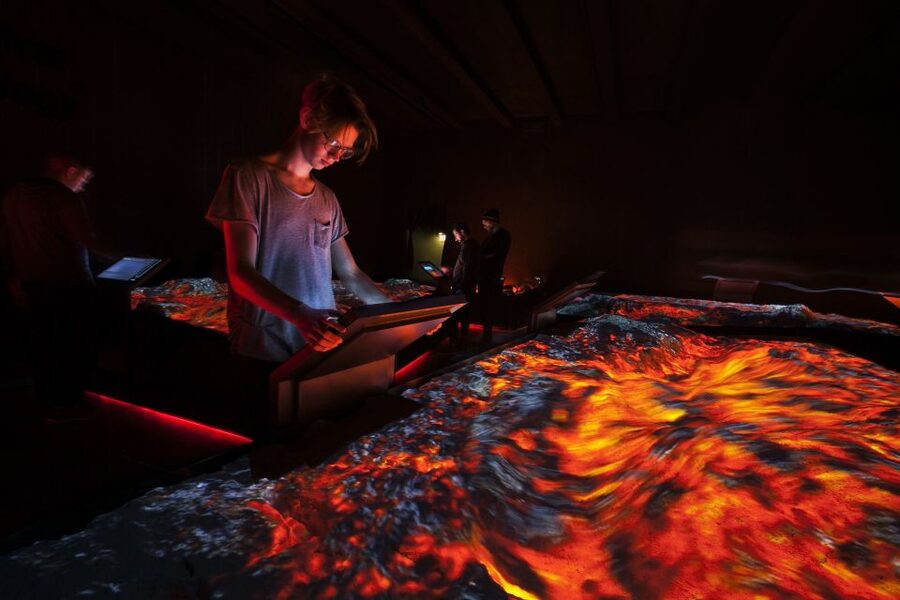
The Magma Learning Center looks at volcanic structures and the different ways they develop. This helps you understand why one volcanic area may have a broad shape while another has a cone, crater, fissure, or rough field of hardened lava.
Tephra gets its own explanation. It can form when magma meets water or ice, or when the magma is thick and full of gas. The material breaks into pieces of different sizes and can spread across a wide area.
That detail is especially valuable in Iceland, where ice and volcanoes often meet. A volcanic eruption beneath a glacier can behave differently from one in open air. You leave with a better sense of why ash and other fragments can travel far, affect roads and flights, and alter the ground well beyond the eruption site.
The displays mix scientific information with artistic presentation. That balance keeps the visit from feeling like a row of textbook panels. Still, you should expect to read and watch material. If you prefer a quiet viewpoint with little interpretation, this may feel too educational.
More Museum Visits:
- Reykjavik: Perlan Museum Wonders of Iceland Entrance Ticket
★ 4.7 · 2,575 reviews - Reykjavík: Hop-On Hop-Off Bus and Perlan Museum Entry Ticket
★ 4.3 · 719 reviews - Reykjavik: Whales of Iceland Museum Entrance Ticket
★ 4.4 · 493 reviews - Reykjavík: National Museum of Iceland Entry Ticket
★ 4.4 · 432 reviews
The cinema brings recent eruptions close
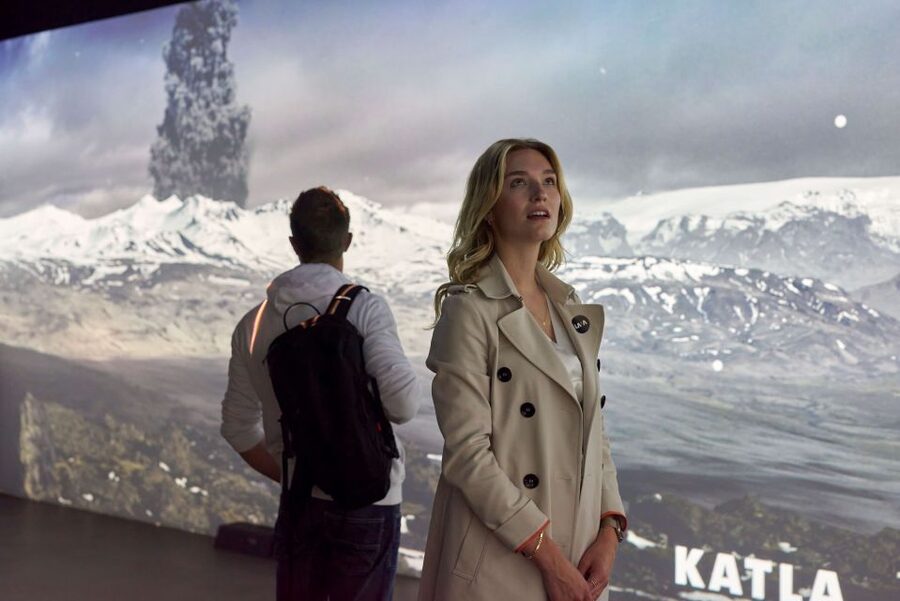
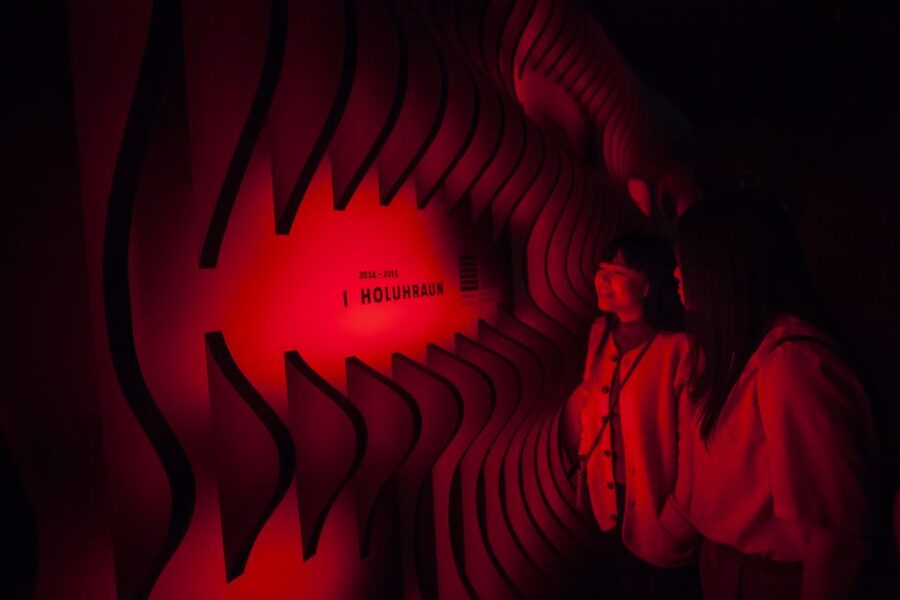
The cinema is one of the strongest parts of the visit. It shows the latest eruptions, including scenes from Grindavík and the Blue Lagoon area.
This matters because recent eruptions make Iceland’s geology feel immediate. You are not only looking at ancient lava or learning about famous events from the past. You see how quickly the ground, roads, and human surroundings can change when volcanic activity begins.
The film adds scale and drama that models cannot provide. Eruptions are difficult to understand from a still photograph. Moving footage shows the speed, glow, smoke, and force of the event in a way that makes the earlier exhibits easier to grasp.
I would watch the film even if you are mainly visiting for the viewing platform. The cinema gives emotional weight to the facts, while the exhibits give the footage useful context. Without both parts, the visit would be less effective.
The film may also be the highlight for visitors who have already seen several Icelandic waterfalls and black-sand beaches. Instead of repeating another outdoor sight, it shows the force that creates many of those places.
Four volcanoes from the Local Volcano section
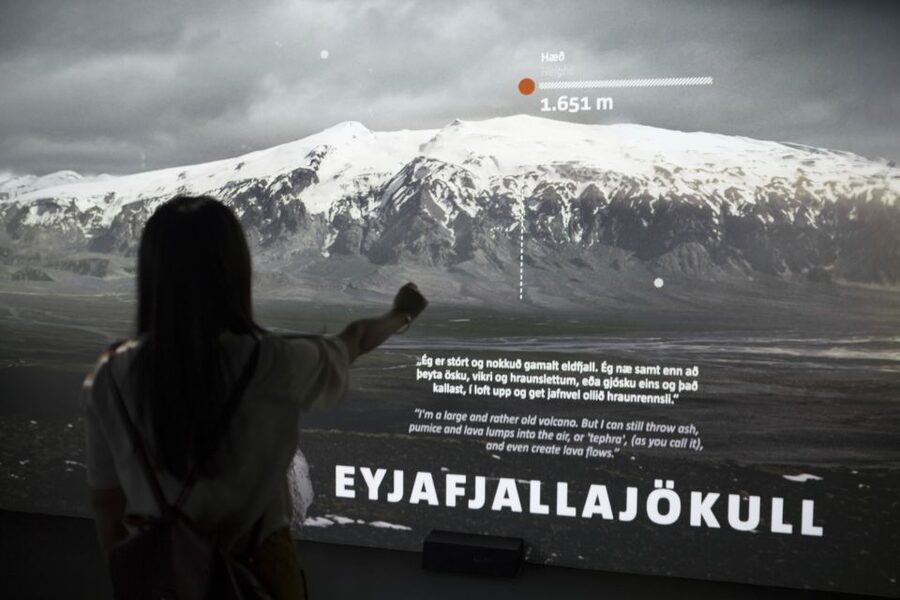
The Local Volcano section presents four large, active but dormant volcanoes, along with a group of volcanic islands. The volcanoes include Eyjafjallajökull, Katla, and Hekla, with the full group offering different examples of Icelandic volcanic activity.
Two of these volcanoes are among Iceland’s most active and productive. The wording matters here: active but dormant means they are not erupting during your visit, but they remain part of Iceland’s active volcanic system.
The observation deck lets you connect the displays with the real mountains. On a clear day, you can look out toward the volcanoes and islands discussed inside. Weather will affect the view, of course, and Iceland’s skies can change quickly. That makes the platform a useful extra rather than the sole reason to pay admission.
I like this indoor-to-outdoor connection. You first learn what a volcanic system is, then you look at actual peaks in the distance. The view may not be the grandest panorama of your trip, but it gives the science a physical anchor.
Bring patience if the weather is cloudy. The centre still works as an educational visit when the mountains disappear, but the platform adds the most value when visibility is good.
What families can expect
The LAVA Centre has features aimed at younger children, including ear muffs, flashlights, and support teddy bears. Those details suggest a family-friendly approach without pretending that every display will entertain very young children for hours.
The earthquake simulator and interactive stations should appeal to children who learn by doing. The cinema and volcano displays can also help older children understand subjects that are otherwise hard to picture.
Parents should remember that the centre is educational. You may need to guide younger children through the explanations, especially in the sections about tectonic plates, magma, and tephra. The teddy bears and ear protection are helpful touches, but they do not turn the whole visit into a play area.
I would recommend it most for families with children who are interested in weather, natural forces, or science. It also works well when outdoor plans need an indoor change of pace.
Accessibility, language, and practical comfort
The LAVA Centre is wheelchair accessible, and wheelchairs are included among the available facilities. That makes it a practical option for visitors who need an accessible attraction in South Iceland.
Host and greeter support is available in English and Icelandic. The displays and films are designed around those languages, so you should confirm your comfort with them before booking if you need another language.
Food and drinks are not included. Plan to eat elsewhere or treat this as one stop within a larger day. The centre is best approached as a focused museum and viewing visit, not as a full-day attraction with meals and many separate activities.
You can cancel up to 24 hours in advance for a full refund, and you can reserve now while paying later. Those terms help if your South Iceland schedule depends on weather, road conditions, or other outdoor plans.
How long should you allow?
The stated duration is one day because the admission is valid for the day, but the actual visit can be much shorter. A careful visit should take about an hour, especially if you use the interactive stations, watch the film, and go outside to the observation deck.
You could move through faster, but that would weaken the value of the $42 admission. The explanations are the main reason to come, so give yourself time to read the displays and understand how the sections connect.
I would allow extra time if you are visiting with children or if the film and simulator create questions. You may also want a weather pause before using the deck. The attraction does not require a complicated schedule, which makes it easy to fit into a day of South Iceland sightseeing.
Who will get the most from the $42 price?
I think the price makes the most sense for three types of visitors:
- First-time visitors to Iceland: You get a clear explanation of many natural features you will see elsewhere.
- Families with curious children: Interactive stations and the earthquake simulator make basic geology more memorable.
- People affected by poor weather: The cinema and indoor displays give you a worthwhile alternative to outdoor sightseeing.
You may want to skip it if your main goal is simply to see a volcano from the road or take photographs from a viewpoint. The observation deck is pleasant, but the displays and film are the core of the visit.
The admission also works better as part of a wider South Iceland day. After seeing black sands, waterfalls, or geothermal areas, you can use the centre to understand how those places formed. Or visit first, then see the real features with a better sense of what you are looking at.
Should you book the LAVA Centre?
Book it if you want Iceland’s volcanoes explained in clear, visual terms. I especially recommend it if you are interested in the recent activity around Grindavík and the Blue Lagoon, or if you want an indoor stop that still connects directly to the surrounding country.
The best parts are the interactive displays, the earthquake simulator, the recent eruption film, and the view toward major volcanoes. The only real caution is price. At $42, this deserves more than a quick walk-through.
If you can give it about an hour, watch the film, and use the observation deck, I think it earns its place in a South Iceland itinerary. If you are chasing only outdoor scenery, spend your money elsewhere. For a practical lesson in why Iceland looks and behaves the way it does, this is a worthwhile stop.
FAQ
Where is the LAVA Centre located?
The LAVA Centre is in Iceland’s Southern Region.
What does admission include?
Admission includes the LAVA Centre exhibition, the cinema, and the observation deck. Ear muffs, flashlights, and support teddy bears for young children are also available, along with wheelchairs.
How much does the experience cost?
The listed price is $42 per person.
How long is the visit?
The admission is valid for one day. Most visitors can expect to spend about an hour, depending on how much time they give the interactive displays, film, simulator, and observation deck.
What volcanoes can you see?
The Local Volcano section and viewing deck provide views of four large, active but dormant volcanoes and a group of volcanic islands. The named volcanoes include Eyjafjallajökull, Katla, and Hekla.
Is the LAVA Centre wheelchair accessible?
Yes. The experience is wheelchair accessible, and wheelchairs are included among the available facilities.
What languages are available?
The host or greeter languages are English and Icelandic.
Fresh around Iceland
- Exclusive Snaefellsnes Peninsula Private Day Tour★ 4.0 · 3 reviews
- Tipsy in Reykjavik: Drink with a Viking (Food, Beer, Music)★ 5.0 · 3 reviews
- Northern Lights 3 Hours Private tour★ 4.5 · 3 reviews
- Sólheimajökull Glacier Hiking Tour★ 3.7 · 3 reviews
- Volcano Movie – Experience the Latest Eruptions in Iceland★ 3.6 · 3 reviews
- Super Jeep Private tour in Þórsmörk★ 5.0 · 3 reviews
- Northern Lights Private Tour from Reykjavik★ 5.0 · 3 reviews
- Private Superjeep Tour To Landmannalaugar and Hekla Volcano★ 5.0 · 3 reviews
Volcano & Lava Tours, compared.
Golden Circle Full-Day Tour with Kerid Crater
Read our review →
Small-Group Golden Circle, Blue Lagoon with Ticket & Kerid Crater
Read our review →
Golden Circle, Kerid Crater, & Blue Lagoon Tour
Read our review →
LAVA SHOW – Immersive Experience Entry Ticket
Read our review →
Lava Show Reykjavik Admission Ticket – Optional Premium Upgrade
Read our review →
Golden Circle with Kerid Volcanic Crater Day Tour from Reykjavik
Read our review →
Browse the lists this tour appears in